Fishing Violation Fines and Penalties in Arizona
It's incredibly frustrating when you're just trying to enjoy a peaceful day on the water, only to realize you might have unknowingly crossed a line with fishing regulations. Many dedicated anglers, and even seasoned veterans, sometimes find themselves scratching their heads over the nuances of Arizona's fishing laws. This guide is here to shed light on the common fishing violations, the fines, and the penalties you could face in Arizona, helping you navigate these rules with confidence and avoid unnecessary headaches.
Understanding Common Arizona Fishing Violations
Nobody wakes up planning to break fishing laws, but sometimes, a simple oversight or a misunderstanding of the regulations can lead to a violation. It’s easy to get caught up in the excitement of a bite, but knowing the most common missteps can save you a lot of trouble. Arizona Game and Fish Department (AZGFD) takes its role seriously, and so should every angler.
Fishing Without a Valid License
This is perhaps the most straightforward and frequently encountered violation. You might think, "Oh, I just forgot it at home!" or "I haven't been fishing in years, do I really need one for a quick cast?" The answer is a resounding yes. If you are 10 years old or older, you absolutely need a valid Arizona fishing license to fish in public waters, with very few exceptions. Forgetting your license, not having the correct type of license (like fishing in community waters without the proper endorsement, though the community license was integrated into the general license in 2022), or simply choosing not to buy one are all considered violations. It doesn't matter if you're catching and releasing or aiming for a trophy bass; if your line is in the water, you need that license. You can find detailed information on getting started in our comprehensive Arizona Fishing License Guide.
Imagine you’ve driven hours to a remote lake like Roosevelt, unpacked all your gear, and are just about to make your first cast when a game ranger approaches. If you can’t produce a valid license, that dream fishing trip could quickly turn into a costly interaction. It's not just about the on-the-spot fine; it's the frustration, the wasted time, and the immediate end to your fishing plans. Always double-check your wallet or your digital license before heading out.
Exceeding Bag or Possession Limits
Arizona has very specific rules about how many fish of a certain species you can keep per day (bag limit) and how many you can have in your possession at any given time, including those from previous days (possession limit). These limits are in place to protect fish populations and ensure sustainable angling for everyone. Forgetting to count, misidentifying a species, or simply getting greedy can land you in hot water. For instance, if the limit for bass is six, and you have seven in your cooler, you're in violation. It’s not just about the number; sometimes there are size limits too. Keeping an undersized bass or an oversized trout when regulations prohibit it is also a violation. Check out our in-depth article on Fishing Bag and Possession Limits Explained for specific numbers for various species and locations.
Think about a scenario where you're fishing for crappie at Lake Pleasant, and the bite is on! You're having an amazing day, reeling them in one after another. In your excitement, you might lose track, or maybe you miscounted that last stringer you put away. Later, a game ranger performs a creel check, and they find you’re over the limit by a couple of fish. Even if it was an honest mistake, ignorance of the law is not usually a valid defense. These rules can vary significantly from one body of water to another, so it's critical to know the local regulations for your specific fishing spot.
Using Illegal Bait or Methods
The Arizona Game and Fish Department has clear guidelines on what kind of bait you can use and what fishing methods are permissible. For example, using live bait that is not native to a particular water body, or using certain types of traps or nets that are prohibited for recreational angling, can result in a violation. Some waters might have restrictions on minnows, while others might ban any live bait altogether to prevent the introduction of invasive species. Our guide on Live Bait Rules for Arizona Lakes can provide more clarity on this often-confusing topic. Additionally, methods like "snagging" (intentionally hooking a fish anywhere other than its mouth) are strictly illegal.
Consider a situation where you’re trying a new technique you saw online. Maybe it involves a lure or a bait type that isn't allowed in that specific lake, or perhaps you're using more rods than the Rod Limit Per Angler in Arizona allows. For instance, if you're fishing a designated trout stream, there might be specific regulations against using bait that could harm native species or special restrictions during certain seasons. If you're unsure about a new lure or bait you picked up from, say, Amazon, always cross-reference it with the current Arizona Fishing Regulations Explained booklet. A quick check can prevent a significant fine.
Decoding Arizona's Fines and Penalties Structure
When you receive a citation for a fishing violation in Arizona, it’s not just a slap on the wrist. The fines and penalties can range from relatively minor monetary charges for small infractions to serious legal consequences, including significant financial hits, loss of fishing privileges, and even jail time for severe offenses like poaching. Understanding this structure is key to appreciating the importance of compliance.
Monetary Fines and Civil Assessments
Most common fishing violations will result in a monetary fine. The amount can vary widely depending on the severity of the offense, the species involved, and whether it’s a first-time or repeat offense. For instance, the Fine Amount for Fishing Without a License in Arizona can be several hundred dollars. Beyond the immediate fine, you might also face additional court fees and civil assessments. These civil assessments are not just penalties; they often go directly towards conservation efforts or restocking programs, essentially compensating the state for the ecological impact of your violation.
Let's say you're cited for an expired license. While the base fine might be manageable, the added court costs and civil assessments can quickly double or triple that initial amount. These aren't typically something you can negotiate away; they're standard practice for certain offenses. These financial penalties are designed to be a deterrent, making it far more expensive to violate the rules than to simply follow them.
License Suspension and Revocation
This is where things get really serious for any angler. Beyond financial penalties, fishing violations can lead to the suspension or even complete revocation of your Arizona fishing license. This means you won’t be able to fish legally for a set period, or in extreme cases, ever again in Arizona. The length of suspension depends on the nature and severity of the violation. A first offense for a minor infraction might result in a short suspension, while repeat offenses or severe violations (like poaching protected species) could lead to years-long or permanent bans. The potential to Can You Get Your Fishing License Revoked in Arizona? is very real.
Imagine your license is suspended for a year because you exceeded the bag limit for bass. That means no more spring bass fishing, no summer trips to Lake Pleasant, and no winter trout opportunities. For many, fishing isn is not just a hobby, it's a way of life, a connection to nature. Losing that privilege can be devastating. This penalty truly hits home the message that fishing resources are shared and must be respected. It also extends beyond Arizona; many states participate in interstate compacts, meaning a license suspension in Arizona could impact your ability to purchase a fishing license in other states as well.
Additional Costs and Restitution
Fines and suspensions aren’t always the end of it. In some cases, particularly those involving illegal taking of fish, you might be required to pay restitution for the value of the fish taken. This means literally paying for the fish you caught and kept illegally, often at a rate determined by the AZGFD. This valuation can be surprisingly high, especially for larger or rarer species. There might also be costs associated with investigative fees, processing fees, or even mandatory conservation education classes.
Consider a scenario where someone illegally takes a trophy-sized flathead catfish from the Colorado River. The monetary fine alone could be substantial, but the restitution for a fish of that size and value to the ecosystem could add hundreds, if not thousands, of dollars to the total penalty. This "value of the resource" component emphasizes that wildlife belongs to all citizens and that those who deplete it unlawfully must compensate for that loss. These types of penalties are not just punitive; they are restorative, aiming to replenish what was taken from the natural environment.
Specific Penalties for Serious Infractions
While forgetting a license is one thing, some violations are considered far more severe due to their impact on wildlife populations and the integrity of regulated fishing. These serious infractions carry much harsher penalties, reflecting the state's commitment to protecting its natural resources.
Poaching and Commercial Violations
Poaching, which essentially means taking fish illegally with the intent to sell them or on a large scale, is a felony offense in Arizona. This isn't just a fishing violation; it's a crime against wildlife and often involves organized illicit activity. Penalties can include significant prison time, massive fines that can easily reach into the tens of thousands of dollars, and lifelong revocation of all hunting and fishing privileges across multiple states. Similarly, selling sport fish (fish typically caught recreationally) without the proper commercial licensing is a serious offense, blurring the lines between recreational and commercial activity.
Imagine a scenario where individuals are caught operating an illegal fishing operation, netting hundreds of bass from a lake to sell to restaurants or markets. This type of activity severely impacts local fish populations, undermining conservation efforts. The AZGFD, often working with local law enforcement, dedicates significant resources to catching poachers. The consequences for such actions are not just limited to the fishing world; they can have profound and lasting impacts on an individual's criminal record, employment prospects, and personal freedom.
Aggravated Violations and Repeat Offenses
The legal system typically views repeat offenders much more harshly than first-time offenders. If you've been cited for fishing violations before, any subsequent offenses will likely result in escalated penalties. This could mean higher fines, longer license suspensions, and a greater chance of mandatory court appearances or even jail time, especially if the violations demonstrate a pattern of disregard for the law. Aggravated violations might also include resisting arrest, providing false information to an officer, or attempting to destroy evidence.
For example, if you were cited last year for an expired license, and this year you're caught again, the court might impose a much stiffer penalty, viewing your actions as intentional non-compliance rather than an honest mistake. Your previous record acts as an aggravating factor. These situations often leave anglers feeling trapped, as the system offers less leniency the more times they've appeared before a judge for similar infractions. This escalatory penalty structure aims to correct persistent illegal behavior and protect Arizona's valuable fish and wildlife.
Violations Involving Protected Species
Arizona is home to several native and endangered fish species, such as the Apache Trout or various chub species in the Colorado River system. Violations involving the unlawful take, possession, or harm of these protected species carry some of the most severe penalties. These can include felony charges, substantial fines, and lengthy or permanent license revocations. The focus here isn't just on regulating recreational fishing but on conserving critical biodiversity. Our guide on Native Fish Protection Rules in Arizona explains why these rules are so vital.
Picture an angler who, perhaps mistakenly, catches a protected Gila Trout in a stream where it's catch-and-release only, or worse, intentionally keeps one. The legal repercussions for such an act are far more severe than, say, being one bass over the limit. The fines can quickly jump into the thousands, and the possibility of a felony charge becomes very real. Arizona invests heavily in protecting these vulnerable populations, and any action that jeopardizes them is met with the full force of the law. These protections are not abstract; they are critical for the survival of unique and irreplaceable parts of Arizona's natural heritage.
The Legal Process After a Violation
Receiving a citation or facing an arrest for a fishing violation can be an intimidating experience. Understanding the typical legal process that follows can help you navigate the situation more effectively and make informed decisions. It’s not just about paying a fine; it’s about understanding your rights and responsibilities.
Initial Contact and Issuance of Citation
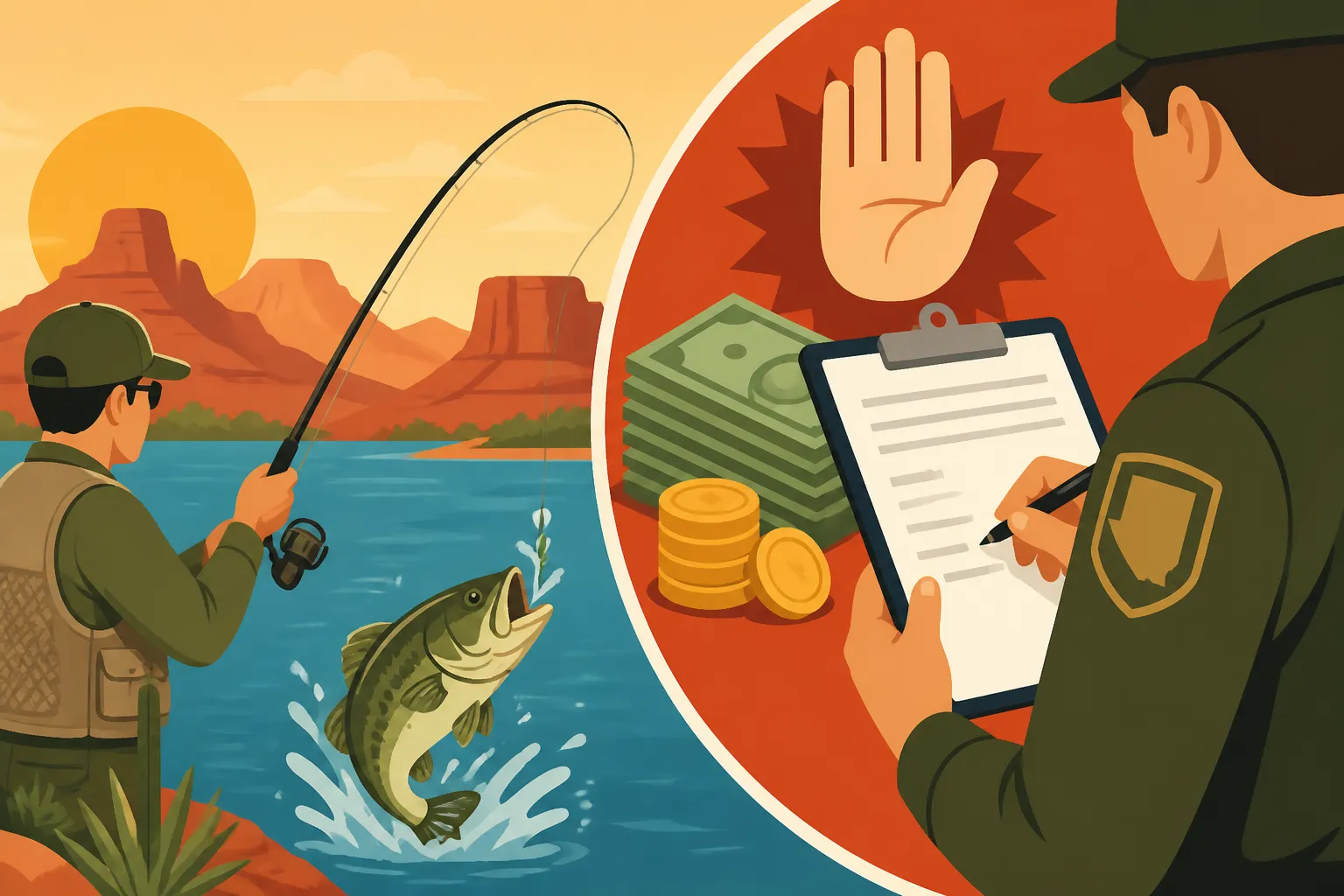
When an Arizona Game and Fish Department officer, or any law enforcement officer, suspects a fishing violation, they will typically initiate contact, explain the perceived violation, and ask for your identification and fishing license. It's crucial to be polite and cooperative, but also aware of your rights. You might be issued a written citation, which is essentially a notice to appear in court or pay a fine by a certain date. In more serious cases, especially those involving aggravated violations or poaching, you could be arrested and taken to a local detention facility.
This initial interaction sets the tone. Being confrontational or uncooperative will not benefit your situation and could potentially lead to additional charges, such as resisting arrest. The officer will document the details of the alleged violation, including time, location, species involved, and any evidence collected. They will explain your options, which typically include pleading guilty and paying the fine, or pleading not guilty and requesting a court hearing. Many find the thought of going to court daunting, which leads them to simply pay the fine, but it’s important to understand what that entails.
Court Appearances and Plea Options
If you choose to contest the citation or if the violation is severe enough to require a mandatory court appearance, you will be summoned to a local justice or municipal court. Here, you'll have several options:
- Plead Guilty: You admit to the violation and accept the penalties. This usually means paying the fine, any civil assessments, and potentially facing a license suspension.
- Plead No Contest (Nolo Contendere): You neither admit nor deny the charges but accept the punishment. This can sometimes be advantageous if the violation could be used against you in a civil case, as it’s not an admission of guilt.
- Plead Not Guilty: You deny the charges and will be given a court date for a hearing or trial. At this hearing, you can present your side of the story, offer evidence, and question the officer. You have the right to legal representation during this process.
Choosing how to plead can have significant implications. If you believe you were wrongly cited or there was a misunderstanding, pleading not guilty is your right. However, it means dedicating time and potentially money to the court process. For serious violations or repeat offenses, it's almost always advisable to consult with an attorney who specializes in wildlife law. They can advise you on the best course of action, help you understand the Arizona Fishing License Fine Schedule, and represent you in court.
Consequences of Non-Compliance
Ignoring a fishing citation or failing to appear in court as required can lead to even more severe consequences. A warrant for your arrest could be issued, your driver's license might be suspended, and additional fines and penalties will likely be imposed. The legal system doesn't take kindly to people failing to address their legal obligations. What started as a simple fishing violation could quickly spiral into a much larger legal problem.
It’s a common pitfall: someone gets a ticket, tucks it away, and forgets about it, hoping it will just disappear. But it won't. The court will follow up, and if there's no response, they will take further action. Imagine discovering you have an arrest warrant when you're pulled over for a routine traffic stop. This scenario, while seemingly unrelated to fishing, highlights the importance of promptly addressing any citation. Even if the fine seems unfair, engaging with the legal process is always the best approach to avoid these escalating complications.
Preventing Violations: Knowledge is Your Best Bait
The best way to avoid fines and penalties is, quite simply, to avoid committing violations in the first place. This requires a proactive approach to understanding and respecting Arizona's fishing regulations. As the saying goes, an ounce of prevention is worth a pound of cure, and in this case, it can save you a significant amount of money and stress.
Reading the Regulations Thoroughly
The Arizona Game and Fish Department publishes a comprehensive fishing regulations booklet every year. This is your bible on the water. It details everything from license requirements and fees (which you can learn more about in Arizona Fishing License Costs) to specific bag and possession limits for various species and water bodies, as well as legal fishing methods and bait restrictions. While it might seem like a lot to read, taking the time to go through the Arizona Fishing Regulations Booklet Where to Find It is invaluable. You can often pick up a physical copy at license dealers or download a digital version from the AZGFD website.
Don't just skim it! Pay close attention to the specific section for the body of water you plan to fish. Regulations for Lake Powell might be vastly different from those for the Lower Salt River or a community fishing lake. These details are crucial. Many anglers even mark up their booklets or create quick-reference cards for the lakes they frequent, which is a fantastic idea. Sometimes you can even find handy laminated guides or smaller summary pamphlets on Amazon that can be easily carried in your tackle box or boat bag, providing quick access to essential rules.
Utilizing Official Resources
Beyond the regulations booklet, the AZGFD website is a treasure trove of information. They often post updates, alerts, and detailed explanations of specific rules. Their social media channels can also provide timely notifications about stocking schedules, seasonal closures (check our Arizona Fishing Season Dates and Limits guide), or temporary regulation changes. Don't be afraid to utilize these official resources. They are there to help you stay informed and compliant.
For instance, if you're planning a trip to a new lake, visiting the AZGFD website can give you the latest information on water levels, stocking reports, and any special regulations unique to that body of water. Some state parks or recreation areas might also have their own specific rules in addition to the statewide regulations. It's always better to over-prepare than to face an unexpected citation. The information is readily available; it’s up to you to seek it out and apply it.
When in Doubt, Ask!
If you're ever unsure about a specific regulation, bait type, or method, don't guess. Guessing can be an expensive mistake. The best course of action is to contact the Arizona Game and Fish Department directly. You can call their main office, reach out to a regional office, or even ask a game ranger if you encounter one on the water before you cast your line. Most officers would much rather answer a question beforehand than write a citation afterward.
This simple act of asking can save you from a lot of trouble. Imagine you’ve bought some new, unusual lures from Amazon and aren’t sure if they fall under any prohibited bait categories for a particular lake. A quick phone call could confirm legality and give you peace of mind. Experienced anglers often share knowledge at bait shops or online forums, but for official clarity, always refer to the AZGFD. Their staff are the ultimate authority and are there to assist the public in understanding and complying with the rules.
How to Handle a Citation or Arrest
Even with the best intentions and thorough preparation, sometimes mistakes happen, or you might find yourself in a situation where you're accused of a violation. Knowing how to react calmly and appropriately can significantly influence the outcome.
Your Rights and What to Do
If you are approached by a game ranger or law enforcement officer, remain calm and polite. You are generally required to provide identification and your fishing license upon request. You also have the right to remain silent and the right to an attorney. While it's advisable to be cooperative and answer basic identifying questions, you are not obligated to discuss the alleged violation in detail without legal counsel. Do not argue with the officer or make any admissions that could be used against you. Simply state that you understand what they are saying and that you would like to consult with an attorney.
Collect all the information you can: the officer's name and badge number, the specific violation cited, the date, time, and location. If there are any witnesses, note their contact information. Take photos of the area if relevant to your defense. Remember, the goal is to protect your rights and ensure fair treatment. If you believe an officer is acting unprofessionally or unlawfully, note their details, but do not escalate the situation on the spot. Address those concerns through the proper channels later.
Considering Legal Counsel
For anything more than a minor first-time offense with a small fine, it's highly recommended to consult with an attorney. A lawyer specializing in wildlife or environmental law can review your case, explain your options, and represent your best interests. They can advise you on how to plead, what evidence might be useful for your defense, and potentially negotiate a reduced penalty or even get the charges dismissed. This is especially true for cases involving significant fines, license suspensions, or protected species violations.
The legal system can be complex and overwhelming, especially if you're unfamiliar with court procedures. An attorney can navigate these complexities, ensuring that your rights are protected and that you present the strongest possible defense. They might even be able to help with something like challenging the length of a license suspension or assisting with the Fishing License Renewal Rules in Arizona after a period of suspension has ended. Investing in legal counsel now could save you considerable money, time, and frustration in the long run.
Disputing a Citation
If you genuinely believe you were cited in error, or if there's a misunderstanding of the facts, you have the right to dispute the citation in court. This means pleading not guilty and requesting a hearing. Prepare your case by gathering any relevant evidence, such as photographs, detailed notes, witness statements, or even a copy of the regulations booklet highlighting the rule you believe you followed. Present your arguments clearly and respectfully to the judge.
For example, if you were cited for an undersized fish, but you had a measuring device from Amazon with you and can prove the fish was legal size, that evidence would be crucial. The burden of proof typically falls on the prosecution to demonstrate that a violation occurred. By presenting a well-organized and factual defense, you stand a better chance of a favorable outcome. Even if the citation isn't dismissed, the judge might reduce the fine or other penalties based on your testimony and evidence.
Disclaimer
The information provided in this guide is for general informational purposes only and does not constitute legal advice. Fishing regulations and associated penalties can change, and interpretations may vary. Always refer to the most current official Arizona Game and Fish Department regulations or consult with a legal professional for advice specific to your situation.