Best Wading Boots for River Fishing
There's nothing quite like the feeling of wading into a pristine Arizona river, the cool water swirling around your legs as you cast your line. But let's be honest, that serene picture can quickly turn into a frustrating, even dangerous, experience if you're not properly equipped. Slippery rocks, uneven riverbeds, and unexpected currents are real hazards that can send you tumbling or, at the very least, make every step a nerve-wracking ordeal. This guide is all about helping you navigate those challenges with confidence and comfort by choosing the very best wading boots for your Arizona river fishing adventures.
Why Specialized Wading Boots are Essential for Arizona Rivers
Fishing in Arizona's rivers isn't like strolling along a sandy beach. Our rivers, whether they're the quick, rocky mountain streams or the wider, often muddier desert flows, demand footwear that's up to the task. Trying to make do with old hiking boots or, heaven forbid, regular sneakers, is a recipe for a miserable, and potentially injurious, day on the water.
The Treacherous Terrain of Arizona's Rivers
Picture yourself standing mid-stream in a place like the Upper Verde River or a section of Tonto Creek. The rocks underfoot are often covered in a slick layer of algae, making them feel like greased bowling balls. The current, even when it looks mild, can exert a surprising force, ready to sweep your feet out from under you. Then there are the unseen hazards – submerged branches, sharp rocks, and abrupt drop-offs that your regular footwear simply isn't designed to protect you from. I've seen countless anglers, new and experienced alike, take an unexpected dunk because their boots couldn't handle the grip challenge. It’s not just about staying dry; it’s about staying upright and safe.
Without proper wading boots, every step becomes a hesitant shuffle. You're constantly looking down, trying to find stable footing, rather than focusing on your cast, reading the water, or simply enjoying the tranquil beauty around you. This constant anxiety detracts significantly from the whole experience. Plus, a twisted ankle or a nasty fall could easily end your fishing trip prematurely, leaving you with nothing but pain and regret. This is why investing in quality wading boots isn't just a luxury; it's a fundamental safety measure and a crucial component for truly enjoying our unique river environments.
Protecting Your Feet and Enhancing Your Experience
Beyond preventing falls, specialized wading boots offer a level of protection and comfort that’s simply unmatched by everyday footwear. When you're spending hours on your feet, often with water temperatures that can be quite chilly, having boots that cushion your stride and keep your feet warm (especially when paired with good waders) makes all the difference. Think about those long hikes into a secluded spot along the Mogollon Rim – the support these boots provide means less fatigue and fewer aches and pains at the end of the day.
The rigid construction and robust materials of wading boots are designed to deflect impacts from sharp rocks and other submerged debris. Imagine stepping on a jagged rock while wearing flimsy shoes – ouch! Wading boots absorb that impact, protecting your soles and toes. They also work in conjunction with your waders, offering a secure, comfortable fit that prevents rubbing and chafing, which can quickly lead to blisters. This enhanced comfort and protection allow you to confidently explore more of the river, reach those untouched fishing holes, and stay out longer, ultimately improving your chances of success and your overall enjoyment. When you feel secure in your footing, you're free to concentrate on the joy of fishing, and that's priceless.
Key Features to Look for in Arizona Wading Boots
When you start looking at wading boots, it can feel a bit overwhelming with all the options out there. But for Arizona's specific river conditions, there are a few core features that should be at the top of your list. These aren't just fancy add-ons; they are critical elements that will dictate your safety, comfort, and performance on the water.
Traction: Felt, Rubber, or Studded Soles?
This is arguably the most crucial decision you'll make when buying wading boots, as the sole type directly impacts your grip on different riverbeds. Each material has its distinct advantages and disadvantages, and understanding them is key to picking the right pair for your primary fishing grounds.
Felt Soles: The Algae Conqueror
Felt soles are legendary for their grip on slick, algae-covered rocks. If you’ve ever fished a high-gradient stream with smooth, water-worn boulders that feel like they're coated in slime, you know the struggle. Felt just sticks to these surfaces in a way that rubber often can’t. For fly anglers who often wade in colder, clear mountain streams where algae is prevalent, felt is often the preferred choice. The downside? Felt can wear down relatively quickly, especially if you do a lot of hiking on dry land. It's also known for potentially transferring invasive species between waterways, which is a big concern for environmental conservation, and some areas have even banned them. Always check local regulations before heading out.
Rubber Soles: The Versatile All-Rounder
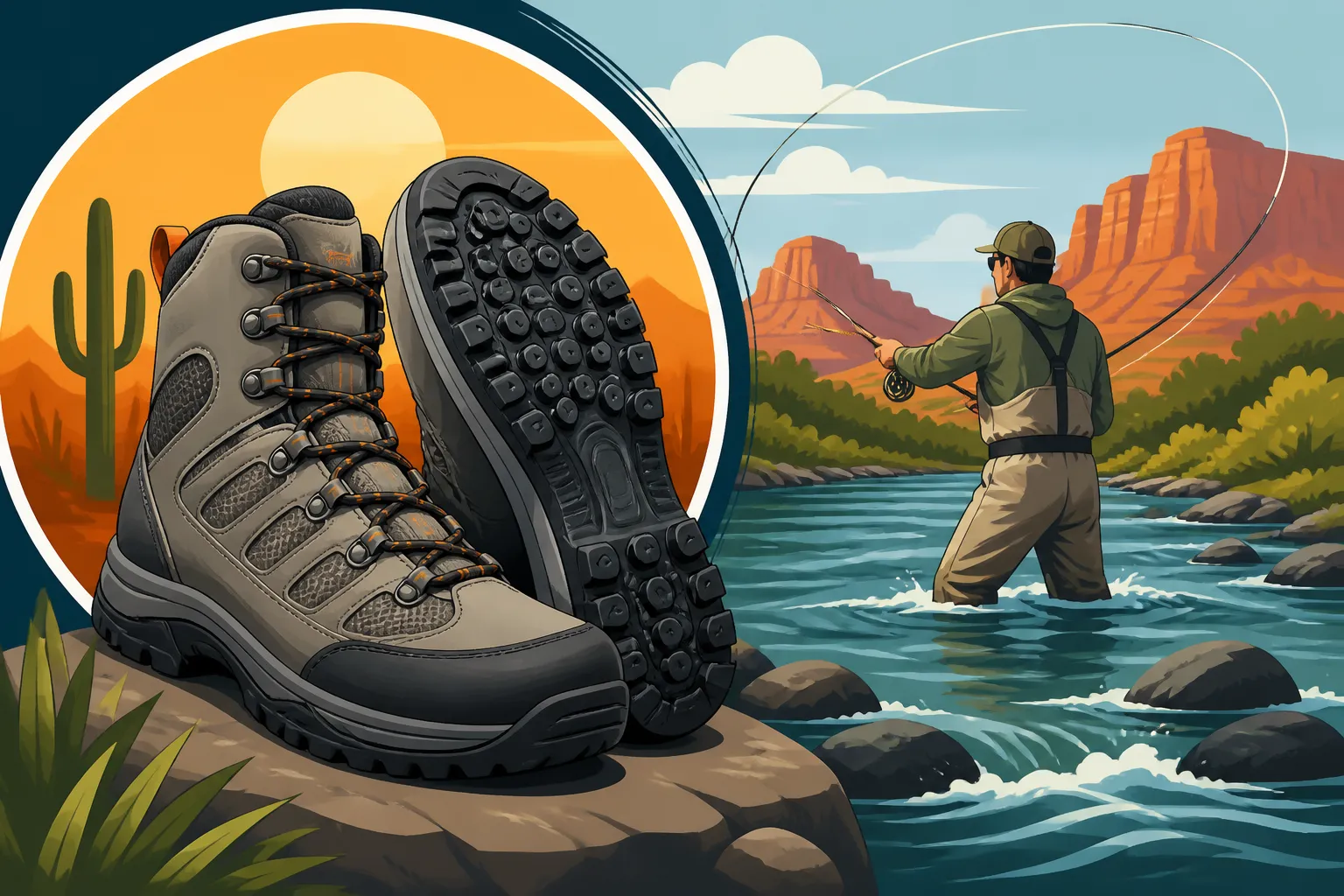
Modern rubber soles have come a long way and offer impressive traction on a variety of surfaces. They're much more durable for hiking on trails to and from the river, and they don't carry aquatic hitchhikers as easily as felt. They perform exceptionally well on gravel, mud, and dry ground. While they might not offer the exact same "stick" on super slick, algae-covered bedrock as felt, many anglers find them perfectly adequate. Some rubber soles are designed with aggressive lug patterns to enhance grip. If you fish a mix of environments or spend a good portion of your day trekking along the bank, a high-quality rubber sole is a fantastic, versatile option.
Studded Soles: Aggressive Grip for Tough Conditions
Studded soles take traction to the next level. These can be either rubber soles with integrated metal studs or felt soles with added studs, or even interchangeable sole systems (like those from Korkers) that allow you to swap between different types. The studs, usually carbide or hardened steel, bite into extremely slick rocks, ice, and even submerged logs, providing exceptional grip. They are incredibly effective in challenging, technical wading situations. However, studs have their drawbacks: they can be very noisy and abrasive on dry land, they can damage boat decks (so always wipe your feet thoroughly before stepping into a raft or boat), and they can scratch up felt soles if you're fishing with someone who uses felt. Plus, they can be a bit overkill for certain environments. Bass Pro Shops and Amazon offer a wide array of options for each type, making it easy to compare features and read reviews from other anglers.
Here's a quick comparison of sole types:
| Sole Type | Pros | Cons | Best Use in Arizona |
|---|---|---|---|
| Felt | Superior grip on slick, algae-covered rocks. Quiet in water. | Poor grip on mud, snow, and dry ground. Less durable. Can transmit invasive species. | Clear, rocky mountain streams with significant algae (e.g., White Mountains, Mogollon Rim). |
| Rubber | Versatile for varied terrain (rock, gravel, mud, dry land). Durable. | Can be slick on wet, algae-covered rocks compared to felt. | Mixed rivers and streams, areas with less extreme algae, long hikes to the water. |
| Studded | Aggressive grip on extremely slick rocks, ice, logs, loose gravel. | Can damage boat decks, noisy on dry ground, can be overkill. | Extremely treacherous, high-gradient rivers, icy conditions (rare in AZ, but possible in winter mountain streams). |
Durability and Support
Arizona's rugged landscapes mean your gear needs to be tough. Wading boots are no exception. The abuse they take from abrasive rocks, sand, and constant exposure to water demands high-quality construction. Look for boots made from synthetic materials that resist tearing and abrasion, often with reinforced toes and heels. These areas are prone to impact and wear, so extra padding or rubberized layers here are a big plus.
Beyond material strength, consider the boot's overall structure, especially its ankle support. Many of our rivers, even the seemingly mellow ones, have uneven bottoms that can easily lead to a twisted ankle if your footwear doesn't provide adequate stability. A well-designed wading boot will cradle your foot and provide rigid support around the ankle, giving you the confidence to navigate shifting rocks and unseen depressions without hesitation. This is especially vital when you're carrying a pack or trying to balance while casting. A boot that feels flimsy or allows your foot to slosh around inside will lead to fatigue and increase your risk of injury. Don't skimp on this — your ankles will thank you after a long day of maneuvering through a rocky streambed.
Fit and Comfort (especially with waders)
You can have the most grippy, durable boots in the world, but if they don't fit well, your fishing trip will be miserable. The unique challenge with wading boots is that you'll almost always be wearing them over neoprene wader booties, sometimes with thick wading socks. This means you typically need to size up from your regular shoe size. It's crucial to try them on with your waders and preferred wading socks to ensure a proper, snug-but-not-tight fit. Too loose, and your foot will slide around, causing blisters and instability. Too tight, and you'll restrict circulation, leading to cold, numb feet and discomfort.
Look for features like a wide opening for easy on and off, especially when your hands are cold. Good lacing systems that cinch securely without creating pressure points are also important. Some boots have drainage ports to quickly shed water, preventing them from becoming waterlogged and heavy. Ventilation can also play a role, even though they're designed for water, as good airflow helps with drying and prevents that damp, clammy feeling. Remember, comfort is paramount for long days on the water. A comfortable boot means you can focus on fishing, not on aching feet. Reading customer reviews on platforms like Amazon can give you valuable insight into how different boots perform in terms of fit and comfort for a variety of foot shapes.
Top Considerations for Different Arizona River Environments
Arizona is a state of incredible ecological diversity, and our rivers reflect that. From the high-elevation, cold-water trout streams to the warmer, slower desert rivers, the conditions can vary dramatically. This means that the "best" wading boot isn't a one-size-fits-all answer; it truly depends on where you plan to do most of your fishing.
Cold, Clear Mountain Streams
If your fishing dreams involve chasing elusive trout in the crisp, clear waters of Arizona's White Mountains or the streams flowing off the Mogollon Rim, your wading boot priorities will shift. These waters are often characterized by slippery, algae-covered rocks and colder temperatures. Think about places like the Little Colorado River in its upper reaches or sections of Christopher Creek.
For these environments, excellent traction on slick surfaces is paramount. This is where felt soles often shine, providing that unparalleled grip on submerged, slimy rocks. However, if you're concerned about invasive species or do a lot of hiking to reach these pristine spots, modern rubber soles with aggressive lug patterns or, even better, studded rubber soles, are a fantastic alternative. Beyond traction, consider the boot's ability to integrate seamlessly with insulated waders. While the boots themselves aren't insulated, a proper fit ensures that your wader booties and socks can do their job of keeping your feet warm. A robust construction that can handle scrambling over rough terrain to get to those remote pools is also a major plus. Many anglers who frequent these areas also find themselves using techniques like fly fishing, which requires steady footing to execute precise casts. You can learn more about these beautiful waters in our guide to Best Trout Fishing Spots in Arizona.
Warmer, Muddy Rivers
Switching gears to Arizona's warmer desert rivers, like the Lower Salt River below Saguaro Lake or certain stretches of the Verde River, presents a different set of challenges. Here, you might encounter muddier banks, silty bottoms, and more varied terrain, often with less prevalent slick algae but more hidden obstacles.
For these conditions, strong ankle support becomes absolutely critical. Stepping into soft mud or onto an unseen object can quickly lead to a rolled ankle if your boots don't provide stability. Rubber soles, with their superior performance on mud and mixed terrain, are generally a better choice here than felt. Look for boots with deep, aggressive lugs that can shed mud easily and provide traction on loose gravel and sandy sections. Quick-draining features are also beneficial, as these rivers can be warmer, and you want your boots to dry out faster after a day of wading. Durability is still key, as desert environments can be harsh on gear. You’ll appreciate a boot that can withstand the abrasion from sand and debris found in these waterways. If you plan to explore these types of areas, our Salt River Arizona Fishing Guide provides excellent insights into the fishing opportunities.
Combination Waters and General Use
Many Arizona anglers don't stick to just one type of river. You might spend one weekend in a mountain stream and the next in a desert river. For these versatile anglers, choosing a boot that can handle a range of conditions without compromising safety or performance is ideal.
This is where innovative features like interchangeable sole systems, famously offered by brands such as Korkers, truly stand out. These boots allow you to swap out felt soles for rubber, or even add studded options, depending on the specific river you're fishing that day. This versatility means you only need one pair of boots to tackle virtually any wading situation Arizona throws at you. If interchangeable soles aren't in your budget or preferred style, a high-quality rubber sole with the option to add screw-in studs (which can be purchased separately at places like Bass Pro Shops) is another excellent compromise. These give you the flexibility to customize your grip as needed. Remember to consider the overall build quality, comfort, and support, as these foundational elements are crucial regardless of the sole type. The goal is to find a boot that instills confidence, allowing you to focus on the fish, not your footing, wherever your Arizona adventures take you.
Disclaimer
This article is for general informational purposes only and does not constitute professional advice. Laws, prices and regulations vary by location and change over time. Consult a qualified professional for guidance on your specific situation.