Best Rod for Catfish
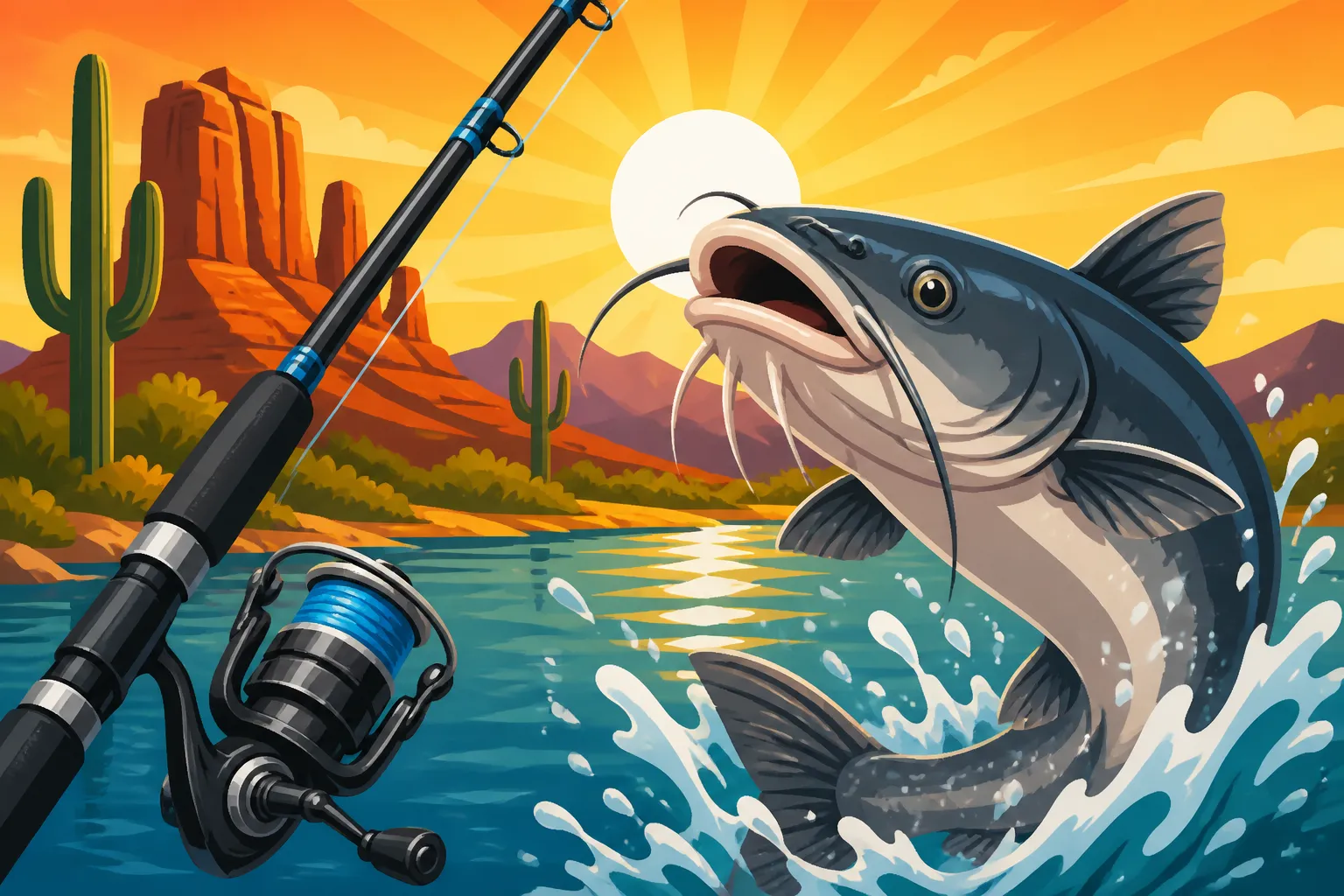
Oh, the quest for the perfect catfish rod in Arizona! It's a common dilemma, isn't it? You walk into a tackle shop or browse online, and the sheer number of options can feel overwhelming. Do you really need a broomstick to haul in a channel cat from a community pond, or will a noodle-soft rod handle a monster flathead on the Colorado River? Trying to pick the right tool without truly understanding the nuances can lead to frustrating days on the water, lost fish, or simply an uncomfortable experience. This guide is here to cut through the confusion and help you select the ideal rod to conquer Arizona's diverse catfishing challenges, ensuring every hookup is a thrill and every fight is manageable.
Understanding Catfish and Their Habitat in Arizona
Before you can even think about picking up a rod, you've got to understand the "who" and "where" of your catfishing adventure in Arizona. Not all catfish are created equal, and neither are the waters they inhabit. What works for a feisty channel cat in a small lake might leave you undergunned when tangling with a true river monster.
Common Arizona Catfish Species and Their Behavior
Arizona is home to a few primary catfish species, and their typical size and fighting style drastically influence your rod choice.
Let's start with the most common, the Channel Catfish. These guys are everywhere, from our urban community ponds to the vast reservoirs like Lake Pleasant and Roosevelt Lake, and even our warmer rivers. Channel cats are known for their strong, consistent fights. They'll pull hard, make runs, and generally put a good bend in your rod. While they don't usually grow to truly monstrous sizes in most Arizona waters, a 5-10 pounder is a fantastic fight on appropriate gear. Their behavior tends to be opportunistic, scavenging for food, and they'll readily hit a variety of baits. For these widespread fighters, you need a rod that offers a good balance of power and sensitivity.
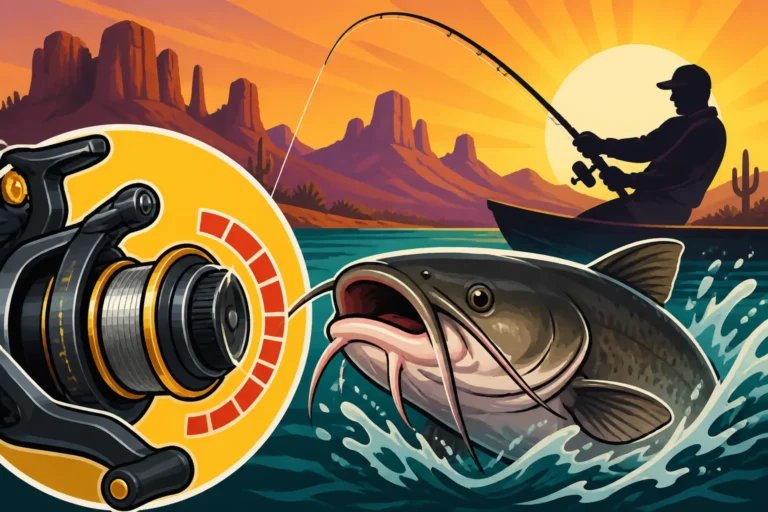
Then you have the Flathead Catfish, the undisputed heavyweight champion in many of Arizona's big rivers and lakes, especially along the Colorado River and in reservoirs like Roosevelt and Bartlett. These are ambush predators, preferring live bait, and when they hit, it's often with a sudden, bone-jarring strike. Flatheads are built like tanks, immensely powerful, and will try to drag you into the nastiest cover available – submerged timber, rock piles, or heavy brush. Landing a big flathead requires significant backbone and leverage from your rod. A truly large flathead can easily exceed 40 pounds, demanding a rod that can withstand immense pressure and give you the upper hand when the fish decides to take refuge in a snag.
While less common, some areas of the Colorado River system might also harbor Blue Catfish, which can grow to immense sizes, often surpassing flatheads in sheer weight, though perhaps not matching their brute "drag-you-into-the-snags" power. Blue cats also prefer a strong, powerful rod, particularly if you're targeting the truly massive specimens they're known for.
Key Arizona Catfish Habitats
The type of water you're fishing in Arizona also dictates the optimal rod length and action. Are you fishing from the bank of a sprawling reservoir or a tight spot on a river?
Our large Arizona lakes and reservoirs like Lake Powell, Lake Havasu, Roosevelt Lake, and Lake Pleasant offer a mix of open water, extensive shorelines, and often deep structure. If you're bank fishing these massive waters, especially when trying to cast a heavy bait a significant distance to reach a channel or drop-off, a longer rod becomes a huge asset. The longer length helps you achieve greater casting distance and can also assist in keeping your line clear of shoreline obstacles, like rocks or brush, once a fish is hooked. For boat fishing on these lakes, you might prefer a slightly shorter rod for better maneuverability, though a longer rod still provides leverage over larger fish.
Moving to Arizona's rivers, such as the Colorado River, the Salt River, or the Gila River, you're often dealing with current, snags, and even more powerful fish fights due to the constant water flow. A longer rod can again be beneficial for casting, but more importantly, it provides better line control in current, helping you steer a fighting fish away from downstream snags or other obstacles. The current also means fish fight even harder, requiring a rod with plenty of backbone. Think about those legendary flatheads lurking in the deep pockets and log jams of the Colorado River; a short, whippy rod simply won't cut it.
Finally, the numerous community ponds and urban lakes around cities like Phoenix and Tucson are fantastic for family outings and catching abundant, though typically smaller, channel catfish. Here, extreme casting distance isn't usually necessary, and the fish generally don't reach the "trophy" class. A lighter, more manageable rod is often preferred for these environments, making the fight more enjoyable with the smaller fish and being less cumbersome for beginners or younger anglers. A shorter rod here allows for easier casting in tighter spaces often found at urban parks.
Essential Rod Characteristics for Catfishing
Choosing a catfish rod isn't just about grabbing the biggest, stiffest pole you can find. It's about understanding how different rod characteristics work together to give you the best chance of success, whether you're battling a channel cat in Tempe Town Lake or a monster flathead on the Colorado River. The three main factors you need to consider are rod power, action, and length.
Rod Power: Matching Strength to the Fight
Rod power, sometimes referred to as "weight," describes how much force it takes to bend the rod blank. Essentially, it's the rod's lifting strength. This is crucial for catfishing because you're often dealing with powerful, heavy fish, and potentially heavy sinkers and baits.
-
Medium (M) Power: This is a good starting point for many general catfishing scenarios, especially for average-sized channel catfish in lakes and ponds. A medium power rod offers enough backbone to handle a 5-10 pound channel cat, while still providing a fun fight. It's versatile enough to cast a decent range of bait weights, from lighter cut bait setups to medium-sized live baits. Many anglers find a medium power rod to be a great all-around choice if they're not specifically targeting trophy fish.
-
Medium-Heavy (MH) Power: If you're serious about channel cats or pursuing smaller flatheads, this is where you want to be. A medium-heavy rod provides significantly more backbone than a medium, allowing you to effectively set hooks into tough catfish mouths and turn bigger fish away from cover. This power is fantastic for battling larger channels, particularly those in stronger currents or deeper water, and it gives you a fighting chance against accidental encounters with decent-sized flatheads. It's the workhorse for many dedicated Arizona catfish anglers. When you're fishing a place like Roosevelt Lake where you can hook into a substantial channel cat, a medium-heavy rod gives you the confidence you need.
-
Heavy (H) Power: This is your go-to for targeting trophy flatheads and large blue catfish in Arizona's bigger waters, especially the Colorado River system. A heavy power rod is designed to handle immense pressure, heavy lines, and large baits. It provides the brute strength needed to haul a stubborn flathead out of submerged timber or control a big blue cat in strong current. While it might make smaller channel cats feel like panfish, it's essential when you're specifically hunting for those 20, 30, or even 50+ pound monsters. Using a heavy rod means you can fish with larger hooks and heavier sinkers without the rod feeling overloaded.
-
Extra-Heavy (XH) Power: For the absolute giants, the truly legendary catfish, or when fishing in extremely heavy current and dense cover, an extra-heavy power rod is sometimes employed. These rods are incredibly stiff and designed for maximum lifting power. They are specialized tools, not for the casual angler, but for those dedicated to record-breaking fish in challenging conditions where failure to turn a fish immediately means a lost battle.
Rod Action: Sensitivity, Casting, and Hook Setting
Rod action describes where the rod bends when pressure is applied. This impacts sensitivity, casting performance, and how well you can set the hook and play a fish.
-
Fast Action: A fast action rod bends mostly in the tip section, typically the top third or less. This provides excellent sensitivity, allowing you to feel subtle bites from wary catfish. It also allows for quick, powerful hook sets, which is crucial for penetrating the tough, bony mouths of catfish. Fast action rods are generally preferred for casting accuracy and when you need to feel every bump and tick on the bottom. The downside is they are less forgiving of mistakes during the fight and can put more stress on the line.
-
Moderate-Fast Action: This is perhaps the most popular action for catfishing, offering a great balance. A moderate-fast rod bends from the upper half of the blank. It provides good sensitivity for detecting bites, but the deeper bend offers more forgiveness during the fight, helping to absorb head shakes and surges from a powerful cat, thus reducing the chance of pulling the hook or breaking the line. It's also a versatile choice for casting a wide range of bait weights and is generally easier to learn with than a fast action rod. This action is excellent for a diverse range of Arizona catfishing, from the Salt River to Alamo Lake.
-
Moderate Action (or Parabolic): A moderate action rod bends through the majority of its blank, from the tip down towards the handle. These rods excel at casting longer distances, especially with heavier, wind-resistant baits, because they load up smoothly and slingshot the bait. The deeper bend acts like a shock absorber, making them incredibly forgiving during the fight and excellent for keeping a powerful fish pinned. They are often favored by anglers who fish with live bait, as the more flexible tip allows a fish to take the bait without feeling too much resistance, increasing hook-up ratios. The trade-off is slightly less sensitivity and a less powerful hook set compared to faster actions.
Rod Length: Casting Distance, Leverage, and Maneuverability
Rod length is measured from the butt of the handle to the tip. It plays a significant role in casting distance, fighting leverage, and how easily you can maneuver the rod in different fishing situations.
-
Short Rods (Under 7 feet): Rods in the 6-foot to 6-foot-6 inch range are generally shorter than ideal for most dedicated catfishing, but they do have their place. They are excellent for fishing in tight quarters, like from a kayak, a small boat, or in areas with dense overhead cover. They offer greater maneuverability and are often lighter, making them less fatiguing for vertical jigging or short casts. For kids or beginners targeting smaller channel cats in community ponds, a shorter rod can be easier to handle.
-
Medium Rods (7-8 feet): This is the sweet spot for many Arizona catfishermen. A 7-foot to 8-foot rod offers a fantastic balance of casting distance, fighting leverage, and ease of handling. It's versatile enough for both boat and bank fishing on most lakes and rivers. The extra length over shorter rods provides better line control, especially when trying to steer a fish around obstacles or manage line in light current. It's a great all-around length for everything from respectable channel cats to average-sized flatheads. For shore fishing at Canyon Lake, this length is often perfect.
-
Long Rods (8-10+ feet): When you need maximum casting distance or superior leverage against truly big fish, especially from the bank, a long rod is invaluable. Rods in the 8-foot to 10-foot or even 12-foot range allow you to launch heavy baits much further, reaching distant channels or deep holes from shore. The added length provides significant leverage during a fight, helping you tire out powerful flatheads more quickly and keep their heads pointed away from snags. This length is especially popular for night fishing from the bank of large reservoirs or wide rivers where casting far and controlling a fighting fish are paramount. However, they can be cumbersome in tight spaces or on smaller boats.
Spinning vs. Baitcasting Rods for Catfish
When you're trying to decide on the best rod for catfish, one of the fundamental choices you'll face is between a spinning setup and a baitcasting setup. Both have their advantages and disadvantages, and the "best" choice really depends on your fishing style, the size of fish you're targeting, and your personal comfort level.
Spinning Rods: Ease of Use and Versatility
Spinning rod and reel combos are often the first choice for many anglers, and for good reason. They are incredibly user-friendly, especially for beginners or those who prefer a less complicated setup.
The design of a spinning reel, with its open-faced spool, makes casting lighter baits and lures a breeze. You're far less likely to experience the dreaded "backlash" that can plague baitcasting reels. This means less time untangling knots and more time fishing, which is a huge plus, especially for casual trips to community lakes or when introducing someone new to fishing. For chasing those cooperative channel cats in the local Phoenix community ponds, a spinning rod is an absolute joy to use. The light tackle allows for a more sporting fight, and the ease of casting means you can focus on the fun.
Spinning rods generally pair well with lighter lines, like monofilament, and are adept at handling a wide range of bait presentations. They are fantastic for situations where you might be casting smaller chunks of cut bait, worms, or even light lures for predatory channel catfish. Their versatility extends to various fishing styles, whether you're casting from the bank, a pier, or a boat. Many anglers find them more comfortable to hold and cast for extended periods, as the reel hangs below the rod, creating a balanced feel.
However, spinning rods do have their limitations, particularly when you start thinking about the heavier side of catfishing. While modern spinning gear has improved significantly, they generally don't offer the same raw power and torque for fighting truly giant fish as a comparable baitcasting setup. Heavy mono line can sometimes suffer from more line twist on a spinning reel, and handling extremely heavy sinkers (think 8 ounces or more) can be less efficient. If your goal is to consistently pull 30+ pound flatheads from heavy cover, a spinning rod might leave you feeling a bit undergunned.
When browsing for spinning gear, you'll find a wide array of options available online through retailers like Amazon. They offer everything from budget-friendly starter combos to more advanced setups that can handle respectable fish. Just be mindful of the stated rod power and action to ensure it aligns with your target species.
Baitcasting Rods: Power, Control, and Heavy Tackle
Baitcasting rods and reels are the preferred choice for many serious catfishermen, particularly those targeting trophy-sized flatheads and blue catfish in challenging environments. The advantages of a baitcasting setup truly shine when power, precision, and handling heavy gear are paramount.
The design of a baitcasting reel, where the spool rotates directly in line with the rod, offers superior power and torque for reeling in big fish. This direct line pull, combined with the often heavier construction of baitcasting rods, translates into immense fighting capability. When a massive flathead decides to dig into the bottom or bolt for a log jam in the Colorado River, you need a rod and reel that can apply serious pressure to turn its head. Baitcasting gear excels here, allowing you to quickly gain line and dictate the fight.
Baitcasting rods are also inherently better suited for casting heavy baits and sinkers. If you're using large live baits like sunfish or carp, paired with 4-8 ounces of lead to hold the bottom in current, a baitcaster handles this weight with much greater efficiency and less stress on the equipment. The casting accuracy can also be superior once mastered, allowing you to place baits precisely near structure or drop-offs. Furthermore, baitcasting reels manage heavy monofilament or braided lines with less line twist than spinning reels, which is a major benefit when you're using 30-80 pound test lines.
The main drawback, and often the barrier for new anglers, is the learning curve associated with baitcasting reels. Mastering thumb control to prevent backlashes takes practice, and it can be frustrating initially. However, once you get the hang of it, the control and power become incredibly rewarding.
For high-quality, dedicated catfishing baitcasting rods and reels, you'll often find excellent selections at specialized outdoor retailers like Bass Pro Shops. They typically carry brands and models specifically designed for the rigors of heavy catfishing, built with robust components and designed for maximum performance in tough conditions. If you're venturing out to Lake Havasu or the lower Colorado River for those giant flatheads, a sturdy baitcasting setup is often considered indispensable.
Ultimately, the choice between spinning and baitcasting comes down to your priorities. For ease, versatility, and smaller to medium-sized catfish, spinning gear is fantastic. For maximum power, heavy tackle, and targeting the largest catfish Arizona has to offer, baitcasting is the clear winner.
Specialized Catfishing Rod Features and Considerations
Beyond the fundamental choices of power, action, and reel type, several other features contribute to a rod's overall performance, durability, and comfort for catfishing. Paying attention to these details can make a significant difference in your long-term satisfaction and success on the water.
Rod Materials and Construction
The material a rod is made from fundamentally affects its characteristics, influencing everything from sensitivity to weight and durability.
-
Fiberglass Rods: Historically, fiberglass was the go-to material for catfish rods, and it's still a fantastic choice for many applications. Fiberglass rods are known for their incredible durability and toughness. They are much more forgiving than graphite, less prone to snapping under sudden stress or accidental impact, which can be a real advantage when you're fighting a big, thrashing catfish against a boat or from a rocky bank. Fiberglass typically offers a more moderate or parabolic action, which is excellent for keeping fish pinned, absorbing headshakes, and making long, smooth casts with heavy baits. The main downsides are that they tend to be heavier and less sensitive than graphite rods. However, for a dedicated heavy catfish rod where brute strength and durability are key, fiberglass or a composite blend often shines.
-
Graphite Rods: Graphite rods are lighter and significantly more sensitive than fiberglass. This sensitivity allows you to feel subtle bites, distinguish between a fish mouthing the bait and a genuine strike, and interpret what's happening on the bottom (e.g., mud, rock, sand). They usually offer faster actions, leading to quicker, more powerful hook sets. For anglers who prefer to actively hold their rod and feel everything, graphite is a great option. The trade-off is that graphite can be more brittle than fiberglass and more susceptible to breakage from impact or high-sticking (lifting the rod too high at an extreme angle when fighting a fish). For many medium-heavy catfish applications, a well-made graphite rod can be an excellent choice, offering a lighter feel for long nights of fishing.
-
Composite Rods: Many modern catfish rods are made from composite materials, which combine fiberglass and graphite. This blend aims to capture the best attributes of both: the sensitivity and lighter weight of graphite with the added durability and more forgiving action of fiberglass. These composite rods often hit a sweet spot for versatility, offering good power, decent sensitivity, and enough toughness to handle the abuse catfishing can dish out. They are an excellent compromise for anglers who want a robust rod that isn't excessively heavy or lacking in feel.
Beyond the blank material, look at the quality of the guides and reel seat. Catfishing often involves heavy lines and powerful fish, so guides should be durable, ideally with ceramic inserts, to reduce friction and heat buildup, which can damage your line. A sturdy reel seat is paramount to securely hold your reel under the immense pressure of a fighting catfish; look for heavy-duty, reinforced models.
Handles, Grips, and Ergonomics
When you're spending long hours on the water, sometimes into the night, the comfort and ergonomics of your rod's handle become incredibly important.
-
Handle Material: The most common handle materials are cork and EVA foam. Cork is traditional, offers good grip even when wet, and provides a classic feel. EVA foam is typically more durable, easier to clean, and often preferred for heavy-duty applications where the rod might see a lot of abuse. Both are effective, so it often comes down to personal preference.
-
Rear Grip Length: For catfishing, especially with baitcasting setups, a longer rear grip is highly beneficial. This extra length allows you to tuck the butt of the rod under your arm or against your hip/belly, providing vital leverage when fighting a large, powerful fish. Imagine trying to fight a 40-pound flathead with a short bass rod handle – it would be incredibly difficult to exert enough pressure. The longer grip also aids in two-handed casting, which is often necessary when launching heavy baits.
-
Butt Cap: Some heavy-duty catfish rods feature a gimbal butt cap or a heavy-duty rubber cap. A gimbal allows the rod to securely fit into a fighting belt, which is invaluable when battling truly massive fish that require full body engagement. Even a simple, well-designed rubber butt cap can provide comfort and prevent the rod from slipping when you're leaning it against your body.
Rod Holders and Their Role
When you're stationary, especially bank fishing, quality rod holders are not just convenient; they're essential, bordering on being part of your "rod system" for catfishing.
-
Importance of Strong Holders: Catfish bites can be incredibly aggressive, especially from larger fish. A strong flathead can easily rip a flimsy rod out of a cheap holder and drag it into the water before you even know what hit you. Investing in sturdy, robust rod holders is crucial to protect your valuable gear and ensure you don't lose a trophy fish or your rod. Many experienced catfishermen use heavy-duty metal spike holders for bank fishing, driven deep into the ground.
-
Types of Rod Holders:
- Spike Holders: These are the classic choice for bank fishing. They consist of a metal spike that goes into the ground with a tube or cradle to hold the rod. Look for sturdy, reinforced models that can withstand significant pulling force.
- Clamp-on Holders: For fishing from docks, piers, or railings, clamp-on holders provide a secure attachment. Ensure the clamp mechanism is strong and has good padding to protect the surface it's clamping to.
- Flush Mount / Rail Mount Holders: On boats, these are permanently installed into the gunwale or deck, or onto boat rails. They offer the most secure way to hold rods while trolling or stationary.
Using good rod holders allows you to spread out multiple rods, covering more water, and safely wait for a bite without having to constantly hold your rod. They are an indispensable piece of gear for any serious Arizona catfish angler who doesn't want to spend their time chasing runaway rods. You can find a wide range of these at your local sporting goods store or even through online retailers like Amazon.
Recommended Rod Setups for Arizona Catfish Scenarios
Now that we've delved into all the technical jargon, let's bring it back to practical applications. What rod should you choose for your specific catfishing adventures in Arizona? We'll break it down by common scenarios.
Rod for Community Pond Catfish (Smaller Channels, Panfish)
If you're heading out to one of Arizona's wonderful community fishing lakes or ponds, such as those run by the Arizona Game and Fish Department in Phoenix or Tucson, you're likely targeting channel catfish that are typically in the 1 to 5-pound range, along with various panfish. These are fun, feisty fish that don't require heavy artillery. The goal here is enjoyment, ease of use, and a good fight on lighter tackle.
Recommendation: A medium power, moderate-fast action, 6-foot-6-inch to 7-foot spinning rod.
Why this works:
- Medium Power: This provides enough backbone to handle a spirited 5-pound channel cat without feeling like you're fighting a snag, yet it allows smaller fish to still put a good bend in the rod, making the experience more engaging. It's forgiving for beginners and won't overpower the fish.
- Moderate-Fast Action: This action offers a nice balance. It gives you enough sensitivity to feel those subtle nibbles from smaller catfish or sunfish, but it also flexes enough to absorb sudden runs and headshakes, reducing the chances of pulled hooks or broken lines, especially with lighter fishing lines.
- 6.5-7 Foot Length: This length is incredibly versatile for pond fishing. It's long enough to get decent casting distance from the bank without being unwieldy in tighter spaces often found at urban parks. It's also comfortable for younger anglers or those new to the sport.
- Spinning Rod: For ease of casting, minimal backlashes, and handling lighter baits (like small pieces of hot dog, corn, or worms), a spinning rod is the perfect choice for this environment. It's stress-free and lets you focus on the fun.
This setup is lightweight, easy to manage, and ideal for a relaxed day of fishing with the family or for beginners learning the ropes. It's also suitable if you accidentally hook into a stray bass or carp at these ponds.
Rod for Lake and River Channel Catfish (All-Around)
For anglers targeting more substantial channel catfish (5-15+ pounds) in larger Arizona lakes like Lake Pleasant, Bartlett Lake, or even the wider sections of the Salt River, or for those who want a versatile rod that can handle a surprise smaller flathead, you need something with a bit more backbone. This is your workhorse setup for serious channel cat pursuit.
Recommendation: A medium-heavy power, moderate-fast to fast action, 7-foot to 8-foot spinning or baitcasting rod.
Why this works:
- Medium-Heavy Power: This is the sweet spot for handling bigger channel cats. It gives you the necessary power to pull fish away from submerged brush or rocky structure and to set hooks firmly into their tough mouths. When you're fishing areas where 10-pounders are common, this power gives you the confidence to fight them effectively.
- Moderate-Fast to Fast Action: A moderate-fast action offers a good blend of sensitivity and fighting forgiveness, ideal for various channel cat behaviors. If you prefer more feel and quicker hook sets, a fast action can be excellent, though it requires a bit more precision in your fighting technique.
- 7-8 Foot Length: This range provides excellent casting distance, which is often crucial when fishing from the bank of a large lake or when trying to reach channels in a river. The extra length also gives you better leverage to steer a strong fish, particularly if you're dealing with current or obstacles.
- Spinning or Baitcasting Rod: For this category, both spinning and baitcasting have their merits. A robust spinning setup can certainly handle these fish, especially if you prefer the ease of use. However, many experienced anglers opt for a baitcasting rod here because it offers superior line control with heavier lines and greater power when battling stronger fish, especially when using larger pieces of cut bait or small live baits.
This setup is incredibly versatile and will serve you well in most medium-to-large catfishing scenarios across Arizona. It's a great choice for targeting trophy channels or for those times you're not sure if you'll encounter a monster or just a good eater. Check out options from Bass Pro Shops for quality medium-heavy gear.
Rod for Trophy Flathead and Large Blue Catfish (Heavy Duty)
Now, we're talking about the heavy hitters: those elusive, immensely powerful flathead catfish that lurk in the Colorado River, Roosevelt Lake, or Alamo Lake, and the occasional large blue cat. These fish demand respect and specialized, heavy-duty gear. This is not a "maybe I'll hook one" setup; this is for actively hunting giants.
Recommendation: A heavy to extra-heavy power, moderate to moderate-fast action, 8-foot to 10-foot baitcasting rod.
Why this works:
- Heavy to Extra-Heavy Power: This is non-negotiable for trophy flatheads. You need extreme power to muscle these fish out of heavy cover, prevent them from spooling you, and ultimately bring them to the net. Anything less and you're simply going to get broken off, often in spectacular fashion. The immense strength allows you to fish with very heavy lines (50-80 lb braided or monofilament) and large live baits (like sunfish, carp, or tilapia) with confidence.
- Moderate to Moderate-Fast Action: While you need brute power, a purely fast action might be too stiff, making it difficult to keep a hook pinned or absorb the shock of a massive headshake. A moderate or moderate-fast action provides a crucial "give" that helps keep the line tight and the hook in place during the violent surges of a trophy cat, while still loading up enough power to set the hook hard into their incredibly tough mouths. It also aids in casting the very heavy baits and sinkers often used for these fish.
- 8-10 Foot Length: Longer rods are paramount here. The extra length provides unparalleled leverage during a fight, allowing you to turn a fish's head and exert maximum pressure. It's also essential for casting large, heavy live baits significant distances from the bank, which is a common tactic for flatheads. The longer rod helps keep your line elevated and clear of snags near the bank.
- Baitcasting Rod: This is the only way to go for truly heavy catfishing. Baitcasting reels offer the necessary drag power, line capacity for heavy lines, and the cranking power to handle these fish. The rod's robust construction is designed to withstand the torque and stress associated with massive fish and heavy tackle.
This setup is for the dedicated trophy hunter. It's not subtle, but it's effective, and it’s the equipment that gives you a genuine shot at landing that once-in-a-lifetime Arizona monster. Look for these specialized rods at large fishing retailers or online at Bass Pro Shops, where you'll find brands renowned for their big game catfishing rods.
Here's a quick comparison table to help you visualize the differences:
| Scenario | Target Fish | Rod Power | Rod Action | Rod Length | Rod Type | Key Feature |
|---|---|---|---|---|---|---|
| Community Ponds | Small Channel Cats, Panfish | Medium | Moderate-Fast | 6'6" – 7' | Spinning | User-friendly, good fight on light tackle |
| Lakes & Rivers (General) | Medium-Large Channel Cats, Small Flatheads | Medium-Heavy | Moderate-Fast | 7' – 8' | Spinning/Baitcasting | Versatile, good backbone, casting distance |
| Trophy Flathead/Blue | Large Flatheads, Blue Catfish | Heavy – Extra-Heavy | Moderate – Moderate-Fast | 8' – 10'+ | Baitcasting | Extreme power, leverage for big fish & heavy cover |
Remember, a great rod is only one piece of the puzzle. Pair it with the right reel, strong fishing line, and appropriate Best Hooks for Live Bait Fishing for a truly effective setup. Understanding your quarry and the environment, then choosing the gear to match, is the key to success. Don't forget to review Arizona Fishing Regulations Explained for your chosen fishing spot!
The beauty of catfishing in Arizona is its accessibility, from urban ponds to vast desert lakes and powerful rivers. No matter where you decide to drop a line, having the right rod in your hands makes all the difference. Whether it's the subtle tap of a channel cat in a community pond or the violent thud of a trophy flathead, the right rod will ensure you feel every moment, set that hook, and bring that fish to the bank or boat. Choose wisely, practice your technique, and get ready for some incredible Arizona catfishing!
Disclaimer
This article is for general informational purposes only and does not constitute professional advice. Laws, prices and regulations vary by location and change over time. Consult a qualified professional for guidance on your specific situation.