Fish Species Safe to Eat From the Colorado River
For many of us, fishing the magnificent Colorado River in Arizona is an incredible experience, whether it's the sheer beauty of the canyons or the excitement of a hard fight. But when you land a beautiful catch, the natural question often arises: "Can I actually eat this, and is it safe?" It's a valid concern, especially with all the talk about water quality and fish advisories. This guide will walk you through the common fish species in the Arizona stretch of the Colorado River that are generally considered safe and delicious to eat, along with crucial considerations for ensuring your catch makes it to your plate safely.
Understanding the Colorado River's Unique Ecosystem for Anglers
The Colorado River, especially through Arizona, is a complex and ever-changing system. From the cold, clear waters below Glen Canyon Dam to the warmer, slower stretches further south, different environments support different fish populations. This variety is what makes it such a fantastic fishery, but it also means understanding the specific conditions that influence the health and safety of the fish you might catch.
The Impact of Water Quality and Habitat
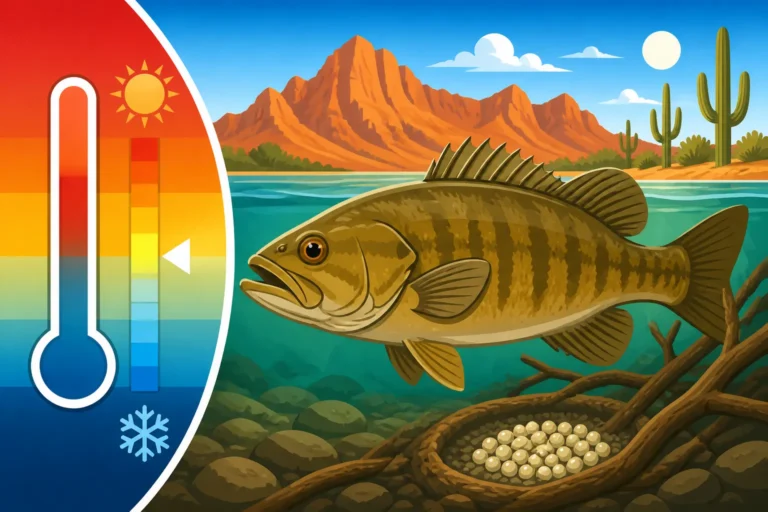
The health of any fish starts with the health of its environment. The Colorado River is managed through a series of dams and reservoirs, which drastically change its natural flow and temperature patterns. Below the dams, like at Lees Ferry or Willow Beach, the water remains consistently cold, supporting robust trout populations. Further downstream, as the river widens and slows, it warms up, becoming ideal habitat for various warm-water species like bass and catfish. The nutrient content, agricultural runoff, and industrial discharges from various points along its vast length can all contribute to the overall water quality, which in turn affects the fish.
It's common for people to worry about pollutants, and while Arizona's game and fish departments monitor these things closely, it’s always wise to be informed. Generally speaking, fish from cleaner, colder, and faster-moving waters tend to have fewer issues than those from stagnant or heavily impacted areas. This isn't a hard-and-fast rule, of course, but a good rule of thumb. Fish that primarily eat other fish (piscivores) tend to accumulate more potential contaminants over their lifespan than those that eat insects or plant matter, simply because they're at the top of a longer food chain.
Why Knowing Your Fish Species Matters
Not all fish are created equal when it comes to table fare. Some species are known for their firm, flaky white meat, while others might be oilier or have a stronger "fishy" flavor. Beyond taste, knowing your species is critical for legal reasons and conservation. There are protected native species in the Colorado River that must be released immediately and unharmed. Mistaking a protected native for a common sport fish can lead to significant penalties, not to mention harm to vulnerable populations. Always consult the most current Arizona Fishing Regulations Explained before you head out. A good, waterproof field guide, easily found on Amazon, can be an invaluable tool for on-the-spot identification, ensuring you know exactly what you've caught.
Common Edible Fish Species You'll Find
Let's dive into the good stuff – the fish you're likely to encounter in the Arizona stretches of the Colorado River that are generally considered excellent for eating.
Striped Bass
Oh, the mighty Striped Bass! These powerful fish are a true trophy and a fantastic meal. You'll find them in abundance, particularly in the lower Colorado River lakes like Lake Mead, Lake Mohave, and Lake Havasu, as well as the upper reaches of Lake Powell. Stripers are voracious predators, often schooling and creating exciting "boils" on the surface as they chase baitfish. Their diet of shad and other small fish gives them a firm, white, flaky meat that's relatively mild in flavor. They can grow quite large, and while smaller to medium-sized fish (say, 2-5 pounds) are often considered the best for eating, even larger ones can be delicious if handled properly.
Many anglers target stripers specifically for their culinary value. Filleting them is fairly straightforward, and they stand up well to a variety of cooking methods – baking, grilling, pan-frying, or even smoking. Just remember, as larger fish, they can accumulate more over time, so while typically safe, moderation is always a good idea if you're eating a lot of very large, older fish from specific areas. For more details on catching these beauties, check out our Striped Bass Fishing Guide for Arizona.
Largemouth Bass
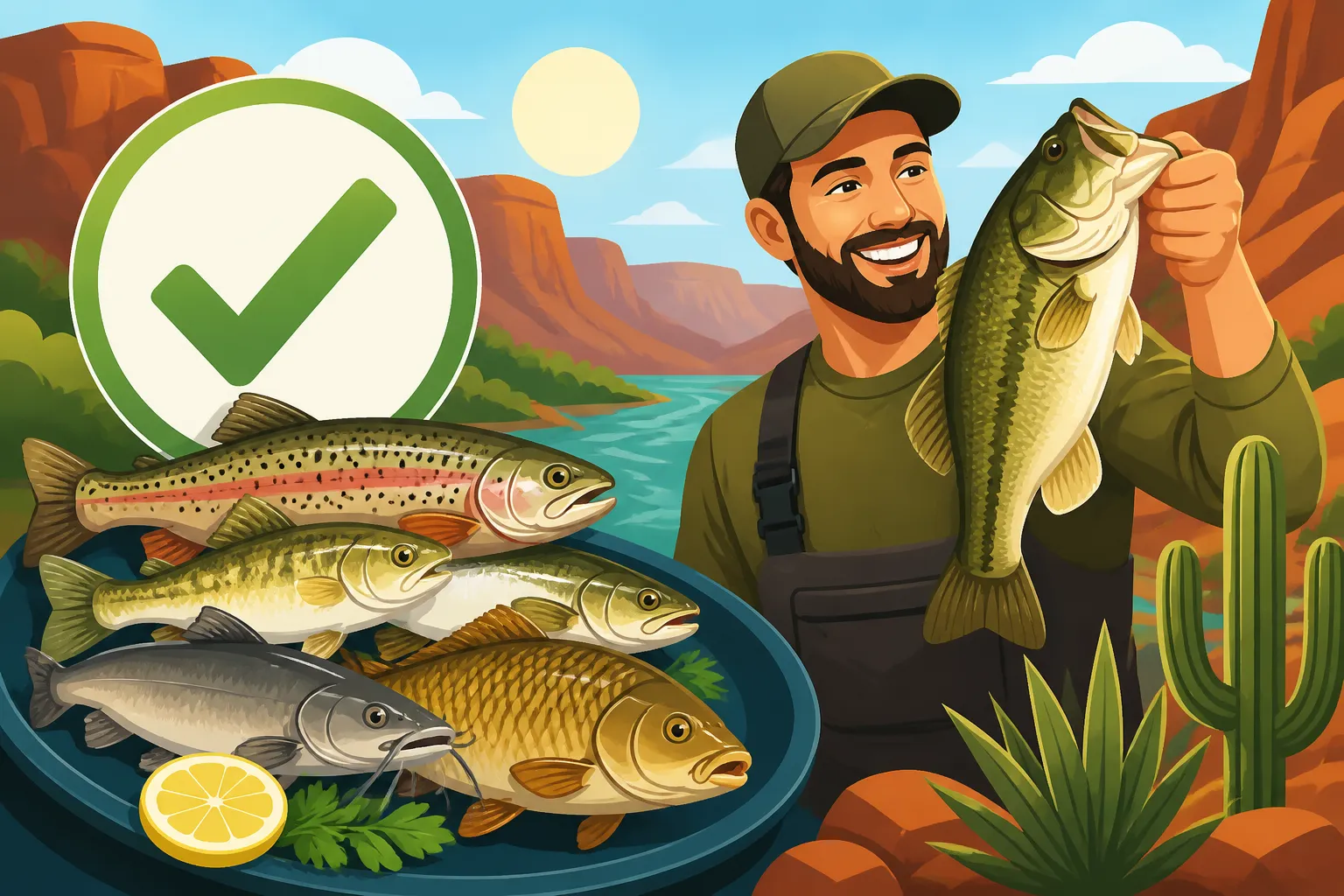
A staple across many Arizona waters, including the warmer, slower sections of the Colorado River and its connected lakes, the Largemouth Bass is another popular sport fish that doubles as good table fare. While some anglers prefer to release all bass, a legal-sized largemouth can provide a very tasty meal. Their meat is white and flaky, often described as mild with a slight sweetness. Like stripers, their diet can vary, but they primarily eat smaller fish, crayfish, and insects.
You'll find largemouth bass lurking in submerged structure, around weed beds, or along rocky points. They’re less likely to be found in the swift currents of the main river but thrive in backwaters, coves, and the larger reservoirs. Proper handling is key to their flavor; get them on ice quickly after catching. For tips on landing them, our Largemouth Bass Fishing Guide for Arizona has you covered.
Channel Catfish and Flathead Catfish
Catfish are perhaps the quintessential river fish when it comes to eating, and the Colorado River in Arizona is home to some fantastic Channel and Flathead Catfish. These bottom-dwellers are often overlooked by anglers obsessed with bass, but they offer some of the best eating in the river.
- Channel Catfish: These are widespread and relatively easy to catch, often found in slower currents, deeper holes, and around structure. Their meat is mild, white, and firm, making it incredibly versatile for frying, baking, or grilling. Many people consider fried channel catfish to be a classic American dish. They tend to have a cleaner flavor from the Colorado River due to its flowing nature compared to some stagnant ponds.
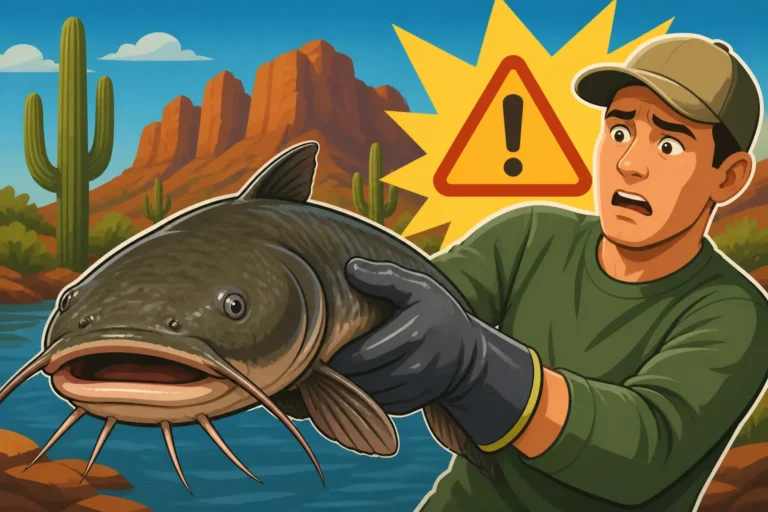
- Flathead Catfish: These are the true giants of the river, especially in the lower Colorado. They are formidable predators and can grow to enormous sizes. Flathead meat is famously firm, white, and extremely delicious, often compared to pork tenderloin due to its texture. Because they primarily eat live fish, their diet contributes to their clean, non-muddy flavor. Smaller flatheads (under 10 pounds) are generally preferred for eating, as the meat of very large, older fish can sometimes be tougher or have a stronger flavor. If you're going after these behemoths, be sure to read our Catfish Fishing Guide for Arizona.
Both species of catfish are excellent, but like any fish, getting them on ice immediately after catching is crucial for preserving that great taste.
Crappie
Crappie, both black and white, are panfish treasures that thrive in some of the Colorado River's connected reservoirs and calmer backwaters. While not as prevalent in the main river channel, places like Lake Havasu and parts of Lake Mead can offer fantastic crappie fishing. These fish are renowned for their delicate, flaky white meat and sweet flavor. They are often targeted during their spawning season in spring when they move into shallower waters, but can be caught year-round around brush piles, submerged timber, and other structure.
Crappie rarely grow very large, typically staying under two pounds, which makes them perfect for pan-frying whole or as small fillets. They are a communal favorite for a fish fry. If you are lucky enough to find a good crappie bite on the Colorado River system, you're in for a treat! Our Crappie Fishing Guide for Arizona offers more insight into catching these tasty panfish.
Rainbow Trout
For anglers targeting the colder, clearer waters of the Colorado River below large dams, like the stretch known as Lees Ferry, Rainbow Trout are the prize. These beautiful fish are regularly stocked and thrive in the consistent cold temperatures. Their meat is delicate and varies in color from pink to orange, depending on their diet. It has a distinct, mild flavor that is highly prized.
Rainbow trout are excellent grilled, baked, or pan-fried. The smaller, hatchery-raised trout you often catch are perfect for cooking whole. Given the pristine conditions of the waters where they are found, they are consistently a safe and delicious option. Make sure you understand the Trout Stocking Season in Arizona to maximize your chances of a fresh catch.
| Fish Species | Typical Habitat in Colorado River (AZ) | Meat Characteristics | Best Cooking Methods | Notes on Flavor/Texture |
|---|---|---|---|---|
| Striped Bass | Lakes Mead, Mohave, Havasu, Powell; larger, open water | Firm, white, flaky | Grilling, baking, pan-frying, smoking | Mild, slightly richer than bass. Larger fish can be tougher. |
| Largemouth Bass | Warmer, slower backwaters, coves, reservoirs | White, flaky, tender | Frying, baking, grilling | Mild, slightly sweet. Clean flavor from flowing waters. |
| Channel Catfish | Widespread; slower currents, deeper holes, structure | Mild, white, firm | Frying (classic), baking, grilling | Very versatile, non-muddy flavor due to river environment. |
| Flathead Catfish | Lower river, deep holes, large structure | Very firm, white, dense | Frying, baking, smoking | Often compared to pork. Best from smaller fish (under 10 lbs). |
| Crappie | Calmer backwaters, reservoirs (e.g., Lake Havasu), brush piles | Delicate, flaky, very white | Pan-frying (often whole), baking | Sweet, mild, highly prized. |
| Rainbow Trout | Cold tailwaters below dams (e.g., Lees Ferry) | Delicate, pink/orange, flaky | Grilling, baking, pan-frying, smoking | Distinct, mild, fresh flavor. Excellent from cold, clear water. |
Important Considerations for Eating Your Catch
While the fish listed above are generally considered safe and delicious, there are always important factors to keep in mind to ensure the best and safest culinary experience.
Local Fish Consumption Advisories
This is paramount. While I can't give you real-time information, it is absolutely essential that you always check the latest fish consumption advisories issued by the Arizona Game and Fish Department (AZGFD) and the Arizona Department of Environmental Quality (ADEQ). These agencies regularly test fish from various bodies of water, including sections of the Colorado River, for contaminants like mercury, PCBs, and other chemicals.
Advisories might recommend limiting consumption of certain species or sizes of fish from specific areas, or avoiding them altogether, especially for vulnerable populations like pregnant women, nursing mothers, and young children. These advisories are based on scientific data and are designed to protect public health. Never assume a fish is safe just because it's on a "generally edible" list; always verify current advisories for your specific fishing location. A quick search on the AZGFD or ADEQ website before your trip is a must.
Proper Handling and Storage
Even the cleanest fish from the purest water won't taste good or be safe if not handled correctly. This is especially true in Arizona's often scorching climate.
- Cooling Quickly: As soon as you catch a fish you intend to keep, get it on ice. Don't let it sit in the sun or in a warm livewell. A cooler filled with ice is non-negotiable. This slows bacterial growth and preserves the quality of the meat. Many experienced anglers bleed their fish immediately upon catching them (by cutting a gill arch) to improve the flavor and appearance of the fillets, especially for species like striped bass.
- Cleaning Promptly: Clean your fish as soon as possible after catching, ideally at the lake or river before heading home. Remove the guts, rinse thoroughly, and keep the cleaned fish on ice. For a deep dive into the practicalities of fish cleaning, you might find a good "how-to" guide on Amazon, perhaps paired with a fillet knife set.
- Storage at Home: Once cleaned, you can fillet the fish or store it whole. Pat the fish dry and store it in airtight bags or containers in the coldest part of your refrigerator for no more than 1-2 days. For longer storage, vacuum-seal and freeze the fillets. Properly frozen fish can last for several months.
Cooking Thoroughly
No matter the species, always cook your fish to an internal temperature of at least 145°F (63°C) to ensure any potential bacteria or parasites are destroyed. Undercooked fish poses a health risk, regardless of where it was caught. Using a food thermometer is the best way to be sure.
Species to Release: Native and Protected Fish
Beyond the game fish you might want to eat, the Colorado River is home to several important native fish species. These species are often protected under state and federal law, and it is illegal to harvest them. They must be released immediately and unharmed if caught.
Understanding Native Fish Protection
Arizona is committed to conserving its native fish populations, many of which are endangered or threatened due to habitat loss and competition from introduced species. When you're fishing the Colorado River, especially in certain stretches, there's a chance you might hook into one of these protected species. Knowing how to identify them is crucial.
Some notable native fish species in the Colorado River system include:
- Razorback Sucker: A large, distinctive fish with a prominent keel-like hump on its back.
- Bonytail Chub: A slender, streamlined fish with a very long, thin tail.
- Humpback Chub: Named for the fleshy hump behind its head, adapted for living in turbulent canyon waters.
- Colorado Pikeminnow: The largest native minnow in North America, once widespread but now highly endangered.
If you catch any fish that looks unusual or that you can't positively identify as a sport fish, err on the side of caution and release it gently. Always carry a copy of the current Arizona Fishing Regulations Explained booklet or have access to the AZGFD website on your phone, as it contains images and descriptions of protected species. It's truly a shame how many anglers, through ignorance, might accidentally harm these precious fish. Being informed is part of being a responsible angler.
Practicing Catch and Release for Certain Species
Even among non-native, commonly harvested species, many anglers choose to practice catch and release for larger specimens, especially trophy bass or catfish. Releasing larger, older fish helps to maintain a healthy breeding population, ensuring good fishing for years to come. If you do practice catch and release, do so responsibly:
- Minimize Handling: Keep the fish in the water as much as possible.
- Wet Hands: Always wet your hands before handling a fish to protect its slime coat.
- Appropriate Tackle: Use tackle that allows you to land the fish quickly without exhausting it.
- Barbless Hooks: Consider using barbless hooks to make hook removal easier and less damaging.
- Gentle Release: Support the fish in the water until it swims away under its own power.
It's a wonderful feeling to know you've caught a magnificent fish and then allowed it to continue its life, contributing to the river's ecosystem. Respect for the resource is key, whether you're keeping a meal or letting a trophy swim free.
Disclaimer
This article is for general informational purposes only and does not constitute professional advice. Laws, prices and regulations vary by location and change over time. Consult a qualified professional for guidance on your specific situation.