How Big Do Flathead Catfish Get on the Colorado River
For many anglers dreaming of wrestling a true river monster, the thought of how truly massive Flathead Catfish can get on the mighty Colorado River is a constant source of both awe and frustration. It's easy to hear tall tales, but understanding the real potential and what it takes to land one of these giants can be a daunting mystery. This comprehensive guide will shed light on the impressive dimensions these powerful fish can reach in Arizona's iconic waterways, explore the factors that fuel their growth, and provide insights into targeting them effectively.
The Colorado River's Flathead Catfish: A True Giant Among Fish
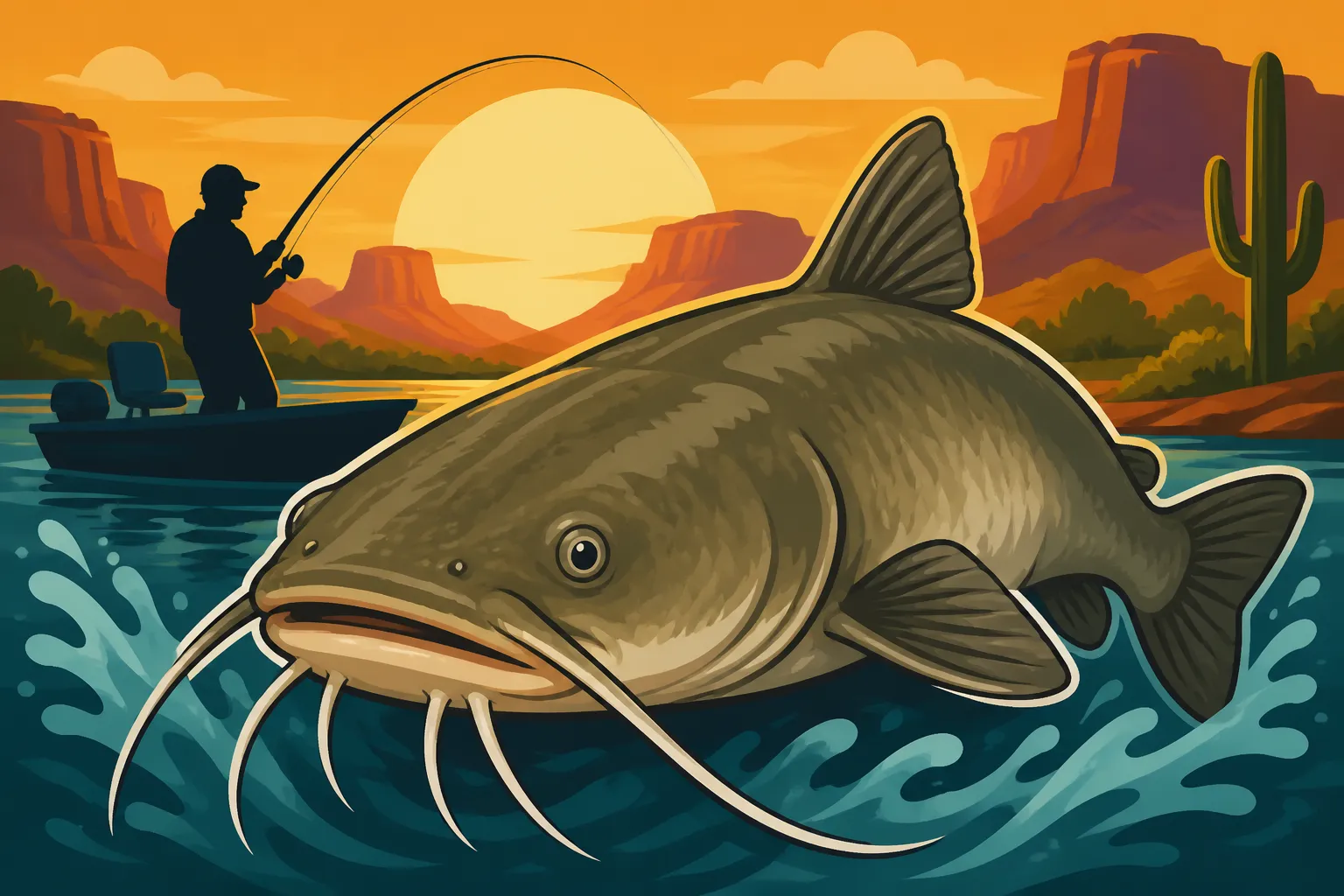
The Flathead Catfish isn't just another fish; it's an apex predator, a bottom-dwelling leviathan that commands respect. On the Arizona stretch of the Colorado River, where vast amounts of forage and deep, complex structures abound, these fish can grow to truly staggering sizes, becoming the stuff of local legend. Many an angler has hooked into what they thought was a submerged log, only to have it come to life, peeling line off their reel with incredible force. It's this sheer power and the potential for a record-breaking catch that draws so many to the river's banks and boats each season. You’re not just fishing; you’re hunting.
Average vs. Trophy Size Expectations
When we talk about Flathead Catfish on the Colorado River, it's important to distinguish between what you might typically catch and what constitutes a true trophy. Most anglers will regularly encounter flatheads in the 5 to 20-pound range, which are respectable fish in their own right and offer a fantastic fight. These are healthy, strong fish that populate the river in good numbers, making for exciting days on the water. However, the Colorado River holds the potential for much, much more.
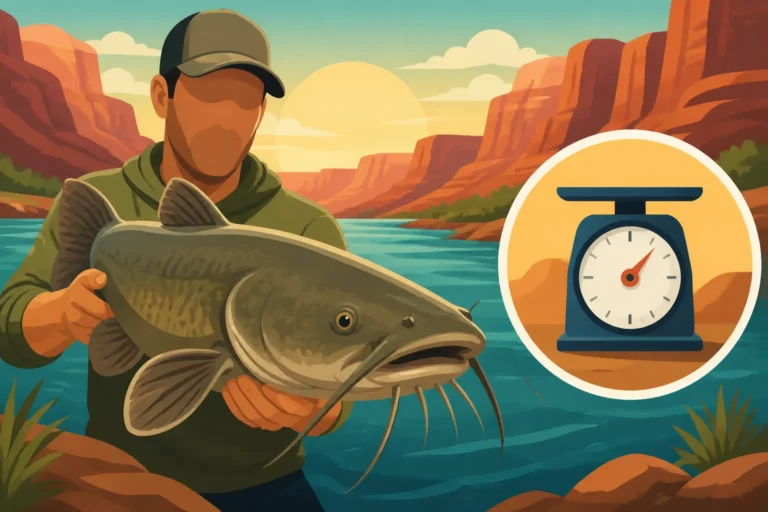
A trophy Flathead Catfish in this system usually starts around the 30-pound mark and can easily soar into the 50, 60, or even 70-pound class. These are older, wiser fish that have survived many seasons, gorging themselves on the abundant prey found in the river. Landing one of these giants is often a once-in-a-lifetime experience, requiring specialized gear, immense patience, and a bit of luck. The sheer girth and head size of a truly large flathead are astonishing, making every hook-up an epic battle.
Why the Colorado River is a Flathead Haven
The Colorado River, particularly the lower stretches in Arizona, provides an almost perfect environment for Flathead Catfish to thrive and reach colossal sizes. One of the primary reasons is the sheer volume of water and the extensive, varied habitat it offers. From deep channels and rocky outcroppings to submerged timber and brush piles, there are countless places for these ambush predators to lie in wait for their next meal. Unlike smaller, more constrained bodies of water, the Colorado offers vast territories and less competition for resources.
Another critical factor is the incredible abundance of forage fish. The river system is home to a robust population of shad, carp, and other panfish, which are the primary diet of growing flatheads. These plentiful food sources allow flatheads to put on weight rapidly and consistently throughout their lives. The relatively stable warm water temperatures for much of the year also contribute to a longer feeding season and faster metabolic rates compared to colder northern climates. It’s a buffet for these opportunistic hunters, which translates directly into larger, healthier fish. The sheer scale of the river means there are always new spots to explore and untouched potential for that next giant catch.
Factors Influencing Flathead Catfish Size and Growth
Understanding what makes a Flathead Catfish grow big isn't just academic; it's essential knowledge for any serious angler hoping to land a trophy. Their size is a direct reflection of their environment, their diet, and their genetic makeup. It's a complex interplay of factors that, when aligned perfectly, produce those truly legendary fish. This isn’t a quick process; it takes years of ideal conditions for a flathead to reach its full potential, making each large catch a testament to the health of the river.
Food Availability and Diet
Flathead Catfish are obligate piscivores, meaning their diet consists almost exclusively of live fish. They are ambush predators, often hiding in submerged cover and striking at passing prey with surprising speed. The more readily available and diverse their food source, the faster and larger they can grow. In the Colorado River, this means a steady supply of species like gizzard shad, threadfin shad, carp, and various sunfish. A thriving ecosystem with a robust baitfish population is the bedrock for producing giant flatheads. If an area of the river experiences a boom in baitfish, you can bet the flatheads there will show significant growth.
Consider a flathead living near a natural choke point or a particularly rich feeding flat. These prime locations allow them to expend less energy hunting and more energy growing. Conversely, in areas with sparse forage, even a flathead with excellent genetics will struggle to reach its maximum size. That's why smart anglers spend so much time scouting for baitfish schools and understanding the movements of the flathead's primary food sources. A full belly directly correlates to an expanding frame, and on the Colorado, the buffet is often open.
Water Quality and Habitat
The health and structure of the aquatic environment play an enormous role in a Flathead Catfish's ability to grow large. Clean, well-oxygenated water is fundamental for fish health and activity levels. Polluted or oxygen-depleted areas will stress fish, stunt growth, and even lead to fatalities. The Colorado River, while managed, generally provides a stable and healthy environment for its catfish population. Maintaining good water quality is a constant effort that benefits all species, especially these large predators.
Beyond water quality, the specific habitat features are critical. Flatheads love structure—anything they can use as cover to ambush prey or hide from strong currents. This includes submerged timber, rock piles, ledges, and deep holes. The Colorado River offers an incredible array of such structures, both natural and man-made, providing countless prime ambush points for these nocturnal hunters. Rivers with limited structure tend to produce smaller, less numerous flatheads. A complex, varied river bottom not only provides excellent hunting grounds but also crucial sanctuary for rest and refuge, contributing to the longevity and ultimate size of these impressive fish. Many anglers rely on modern fish finders, readily available on platforms like Amazon, to pinpoint these critical structures.
Age and Genetics
Just like any other animal, a Flathead Catfish's ultimate size potential is heavily influenced by its age and genetic predisposition. These fish are relatively long-lived, often reaching ages of 15-20 years or more in ideal conditions. It simply takes time for a flathead to accumulate the mass needed to become a trophy. A young flathead, even with perfect food and habitat, just hasn't had enough years to grow truly massive.
Genetics also play a subtle but important role. Some fish are simply predisposed to grow larger and faster than others within the same population. While this is harder for anglers to influence directly, it does explain why some fish in seemingly identical conditions can vary significantly in size. A combination of good genes and a long, healthy life in a rich environment like the Colorado River is the recipe for a true giant. Protecting older, larger fish through ethical catch-and-release practices helps ensure these robust genes remain in the population, fostering future generations of trophy-sized flatheads. This is especially true when considering Catch and Release Rules for Arizona Anglers.
Arizona State Records and Legendary Catches
Arizona has a storied history when it comes to trophy Flathead Catfish, especially from the Colorado River. These fish aren't just big; they're genuinely monstrous, pushing the limits of what many anglers believe is possible. The pursuit of these behemoths drives many to the river's edges, hoping to etch their name into the record books or at least into their own personal angling legacy. The thrill of knowing that a state-record fish could be lurking in the depths is a powerful motivator.
The Official State Record and Its Significance
The official Arizona state record for Flathead Catfish stands at a truly impressive weight, showcasing the Colorado River's incredible capacity to produce giants. While specific weights can fluctuate with new records, the consistent presence of fish well over 50 pounds, and often pushing past 70 pounds, is what makes this fishery so renowned. These records aren't just numbers; they represent monumental angling achievements and provide tangible proof of the river's health and potential. They also set the bar for aspiring trophy hunters, giving them a concrete goal to chase.
The significance of these state records goes beyond bragging rights. They serve as a benchmark for fishery management, demonstrating the success of conservation efforts and the overall ecological balance of the Colorado River. They also highlight the specific stretches of the river that are most conducive to growing these colossal fish, often areas with deep, complex structures and abundant prey. Each record-breaking catch inspires a new generation of anglers to get out on the water, proving that patience and persistence can indeed lead to legendary results. You can find more details on Arizona State Fishing Records Explained.
Unofficial Giants and Angler Stories
Beyond the official state records, there are countless unofficial giants and legendary angler stories whispered around campfires and bait shops along the Colorado River. These tales speak of fish that were "too big for the net," "broke the scale," or simply "got away" after an epic battle. While not documented with official weights, these stories contribute to the mystique of the Flathead Catfish and the river itself. Many seasoned catfishermen have personal bests that, while not state records, are still incredibly impressive – often in the 60-pound class or higher.
These unofficial accounts often come from anglers who prioritize the experience over the paperwork, or perhaps simply didn't have a certified scale on hand. They serve as a reminder that the river holds many secrets, and that every cast has the potential for an encounter with a true behemoth. Whether it's a guide recounting a client's unbelievable fight with a submerged monster or a local sharing a photo of a fish that barely fit in their boat, these stories fuel the passion for Flathead Catfish Fishing Guide for Arizona and keep the dream of landing a colossal flathead alive for many.
Targeting Colorado River Flatheads: Gear, Tactics, and Best Practices
Landing a truly enormous Flathead Catfish from the Colorado River requires more than just luck; it demands specialized gear, proven tactics, and a deep understanding of these powerful fish. You can't just show up with a lightweight spinning rod and expect to pull in a 50-pound flathead. These are battles of strength, endurance, and proper preparation. Equipping yourself correctly is the first step in turning those dreams of a trophy catch into reality.
Essential Heavy-Duty Gear for Monster Cats
When you're chasing Flathead Catfish on the Colorado River, "heavy-duty" is the name of the game. You'll need a robust setup that can withstand immense pressure and violent runs. Starting with your rod, look for something specifically designed for catfishing or heavy saltwater applications, typically 7 to 9 feet in length with a heavy or extra-heavy power rating and a moderate-fast action. This provides the backbone to horse large fish out of cover and enough flex to absorb powerful surges. Many excellent options for a Best Rod for Catfish can be found on retailers like Amazon, often with glowing reviews from fellow catfishermen.
Your reel needs to match this power. A large baitcasting reel, often referred to as a "conventional" reel, with a high line capacity and a smooth, powerful drag system is paramount. Look for models capable of holding at least 200-300 yards of heavy monofilament or braided line. Speaking of line, this is not the place to skimp. Braided line in the 50-80 pound test range is common for its strength and sensitivity, often paired with a heavy monofilament or fluorocarbon leader to provide abrasion resistance around sharp rocks and timber. When considering Best Line for Catfish Fishing, remember that the Colorado River has strong currents and even stronger fish, so strength and durability are key. Terminal tackle will include sturdy circle hooks (often 7/0 to 10/0) and heavy lead weights (3-8 ounces, depending on current) to keep your bait anchored on the bottom.
Live Bait Strategies for Trophy Flatheads
Flathead Catfish are undeniably drawn to live bait. This is their natural prey, and a struggling baitfish sends out vibrations that these nocturnal predators can detect from a surprising distance. The key to success often lies in selecting the right bait and presenting it effectively. Common and highly effective baits on the Colorado River include live bluegill, sunfish, carp, and even smaller channel catfish, within legal size limits of course. The size of your bait should generally correspond to the size of the fish you're targeting; bigger flatheads prefer bigger meals.
When setting up your live bait, a simple Carolina rig or a three-way swivel rig is often best. The goal is to allow your bait to swim freely and naturally while keeping it near the bottom where flatheads feed. Hooking your baitfish through the back, above the lateral line, or through the lips allows it to stay alive and active for longer, maximizing its appeal. Night fishing is often considered prime time for flatheads, as they are most active under the cover of darkness. Positioning your bait near submerged timber, deep holes, or current breaks where flatheads are likely to ambush prey dramatically increases your chances. Remember to check local regulations for Live Bait Rules for Arizona Lakes and specific size restrictions on baitfish.
Understanding Prime Time and Locations
Timing and location are crucial elements in the pursuit of trophy Flathead Catfish on the Colorado River. While they can be caught year-round, certain seasons and times of day offer significantly better odds. Late spring through fall, when water temperatures are consistently warm, tends to be the most productive period. During these warmer months, flatheads are more active and feed more aggressively to build up reserves. As mentioned, night fishing is almost universally favored by serious flathead anglers, as these fish are predominantly nocturnal predators. Setting up just before dusk and fishing through the night until dawn can yield the most impressive results.
As for locations, flatheads are creatures of structure and current breaks. On the Colorado River, target areas with deep scour holes, submerged timber (especially old tree stumps or brush piles), rock ledges, and eddy lines where current slows down. These are prime ambush points where flatheads can conserve energy while waiting for prey to drift by. Pay close attention to current seams and transitions from fast to slow water. Using your fish finder to locate these underwater features is invaluable. Don't be afraid to move around if a spot isn't producing, but give each promising location ample time—sometimes it takes a while for a trophy flathead to commit to a bait. Further insights into specific strategies can be found in Catfish Night Fishing Techniques.
Conservation and Ethical Angling for Large Flatheads
Landing a massive Flathead Catfish is an incredible achievement, but with great power comes great responsibility. As anglers, we have a vital role to play in ensuring the health and sustainability of the Colorado River's Flathead Catfish population for future generations. This means adopting ethical angling practices, especially when dealing with the older, larger fish that are so crucial to the gene pool. The future of trophy catfishing in Arizona literally rests in our hands.
Catch and Release Practices for Big Fish
While keeping a smaller flathead for the dinner table is perfectly acceptable, responsible anglers often advocate for the catch and release of truly large Flathead Catfish, especially those over 20-30 pounds. These older, larger fish are the prime breeders, contributing significantly to the genetic strength and population stability of the fishery. Removing them from the ecosystem can have a disproportionate impact on future generations of trophy-sized fish.
When practicing catch and release for big flatheads, several steps are crucial to ensure the fish's survival. First, use appropriate heavy tackle to minimize the fight time, reducing stress on the fish. Second, handle the fish carefully; avoid dragging it on rocks or abrasive surfaces. Support its weight horizontally, especially for very large fish, to protect its internal organs. Use a large, knotless landing net, or cradle the fish gently in the water if possible. Revive the fish thoroughly by holding it upright in the water, facing into the current, until it swims away under its own power. Always be prepared with a camera, but prioritize the fish's health over a perfect photo. For more detailed guidance, refer to Catch and Release Rules for Arizona Anglers.
Protecting the Colorado River Ecosystem
Our commitment to ethical angling extends beyond just the fish; it encompasses the entire Colorado River ecosystem. Flathead Catfish are a vital part of this system, and their well-being is intertwined with the health of the river itself. This means practicing Leave No Trace principles: taking out everything you bring in, and perhaps even picking up litter left by others. Avoid introducing non-native species or harmful substances into the water.
Beyond individual actions, staying informed about local fishing regulations and contributing to conservation efforts, whether through license purchases or volunteer work, helps protect this invaluable natural resource. The Colorado River is a precious and complex environment, and its ability to produce such magnificent fish like the trophy Flathead Catfish is a testament to its ecological richness. By being mindful stewards of the river, we ensure that the awe and excitement of battling these giants will continue for many years to come. Understanding Fishing Bag and Possession Limits Explained is a basic but essential step in protecting the resource.
Here's a quick comparison of average vs. trophy Flathead Catfish characteristics on the Colorado River:
| Characteristic | Average Flathead Catfish (Colorado River) | Trophy Flathead Catfish (Colorado River) | Arizona State Record Potential |
|---|---|---|---|
| Weight Range | 5 – 20 lbs | 30 – 70 lbs+ | 70 lbs+ |
| Length Range | 18 – 30 inches | 35 – 50 inches+ | 50 inches+ |
| Age | 2 – 8 years | 10 – 20+ years | 15 – 25+ years |
| Diet | Smaller live fish, crayfish | Larger live fish (shad, carp, sunfish) | Primarily large live fish |
| Habitat Preference | Structure, current breaks | Deep holes, heavy submerged timber, ledges | Deep, complex structure |
| Gear Requirement | Medium-heavy to heavy | Extra-heavy | Extra-heavy, specialized |
| Fight Intensity | Strong, steady pulls | Extremely powerful, long runs, stubborn | Epic, prolonged battle |
Disclaimer
This article is for general informational purposes only and does not constitute professional advice. Laws, prices and regulations vary by location and change over time. Consult a qualified professional for guidance on your specific situation.