Summer Bass Fishing Tactics in Arizona
Oh, the Arizona summer! If you're an angler who loves chasing bass, you know this time of year can feel like both a blessing and a curse. The long days mean more time on the water, but the scorching temperatures can make fishing incredibly challenging, often leaving you wondering if the fish have simply vanished. It's frustrating to invest your time and effort only to come up empty-handed in conditions that feel more like an oven than a fishing paradise. This comprehensive guide is here to turn those summer struggles into triumphs, equipping you with proven tactics, gear recommendations, and crucial safety tips to help you consistently land bass even when the desert sun is at its fiercest.
Understanding the Summer Bass Challenge in Arizona
Let's be honest, fishing in Arizona during July and August isn't for the faint of heart. It takes a different mindset, and more importantly, different tactics than what works in the milder spring and fall. The biggest hurdle? The sheer, oppressive heat and its cascading effects on the water and the fish themselves. You can't just throw the same old lures in the same old spots and expect results.
The Relentless Arizona Summer Heat
When the mercury consistently climbs above 100 degrees Fahrenheit, and often hits 110 or higher, it changes everything. This isn't just a discomfort for us anglers; it's a fundamental shift in the environment for bass. Imagine trying to hunt for food or hang out in the shallow end of a swimming pool when the water feels like a warm bath. That's essentially what our Arizona bass are dealing with in the summer. They're not going to be cruising the sun-drenched banks looking for an easy meal. Their metabolism slows down, their activity levels drop, and they seek refuge from the punishing sun.
This relentless heat also means that the surface water temperatures in our desert lakes, like Lake Pleasant or Roosevelt Lake, can easily reach into the 80s or even low 90s. This creates a thermocline, a distinct layer of water where the temperature changes rapidly. Bass, being cold-blooded creatures, are incredibly sensitive to these changes. They're looking for that sweet spot where the water is cool enough to be comfortable but still has enough dissolved oxygen to sustain them. Understanding this layering effect is absolutely critical to finding fish in the summer. You might be fishing beautiful-looking water, but if it's too warm or oxygen-depleted, you're just casting into a watery desert.
How Water Temperature Impacts Bass Behavior
As we touched on, water temperature dictates where bass will be and when they'll be active. In the summer, the prime temperature zone for largemouth bass is typically between 65 and 80 degrees Fahrenheit. Once the surface water consistently exceeds this range, bass become lethargic and seek cooler, deeper sanctuaries. They're trying to conserve energy, so they won't be chasing fast-moving baits or expending much effort unless a meal practically swims into their mouths.
This temperature sensitivity leads to a massive shift in their daily routines. Instead of feeding throughout the day like they might in spring, summer bass become creatures of twilight and dawn. They'll push up into shallower, albeit still shaded, areas to feed during the brief windows when the sun isn't directly overhead and the water has had a chance to cool slightly. During the bright, hot midday hours, they're typically hunkered down in the deepest, shadiest, and most oxygenated cover they can find. This could be submerged timber, rock ledges, creek channels, or even the shadows cast by cliffs and tall structures. Knowing the exact water temperature at various depths, which a good fish finder can tell you, becomes an invaluable tool for locating these elusive summer bass.
Low Water Levels and Changing Habitats
Another frustrating reality of Arizona summers, especially in recent years, is the impact of drought and sustained high water usage, which often leads to significant drops in lake levels. When lake levels recede, it dramatically alters the underwater landscape that bass rely on. Areas that were once productive shallow coves with submerged brush might now be bone dry. This forces bass to relocate, often concentrating them into smaller, remaining deep-water cover.
The loss of shallow cover means fewer places for baitfish to hide, which in turn means bass have fewer ambush points. What might have been a prime bass haven in the spring, like a flooded mesquite tree line, could now be a dusty bank. This requires anglers to constantly adapt and explore new areas. It's not uncommon to find bass holding on newly exposed rock piles or drop-offs that were previously much deeper and less accessible. Always check the current lake levels before you go and factor that into your game plan. What was a productive spot last year might be completely different this year, so don't be afraid to try new areas or revisit old spots with a fresh perspective, thinking about how the lowered water has changed the available cover and structure.
Prime Times and Locations for Summer Bass Fishing
Successfully targeting summer bass in Arizona requires a radical shift in your fishing schedule and your choice of locations. Forget midday fishing; that's usually reserved for sightseeing or swimming. We're talking about specific windows and deep-water haunts.
Early Morning and Late Evening Strategies
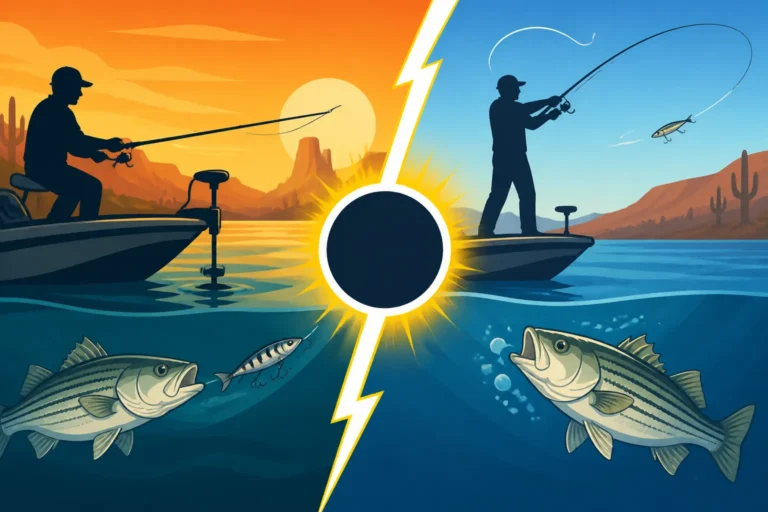
If you're serious about catching summer bass, your alarm clock is going to become your best friend – or your worst enemy, depending on how you look at it. The absolute prime time for summer bass fishing in Arizona is during the low-light hours: pre-dawn to about an hour or two after sunrise, and then again from an hour or two before sunset until dark. During these windows, the surface water has had a chance to cool down slightly, and the bass feel more comfortable pushing up into shallower depths to feed.
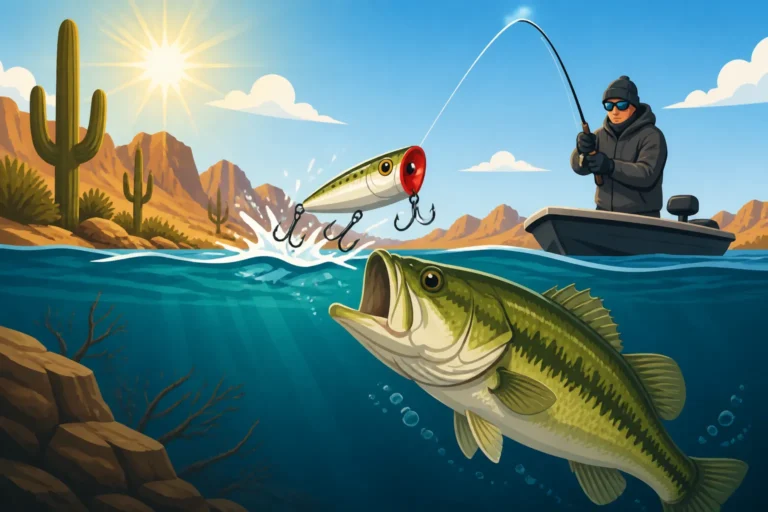
In the early morning, bass will often be actively hunting baitfish that have also ventured into shallower water. Topwater lures can be incredibly effective during this time, creating explosive strikes that are hard to beat. As the sun begins to climb, you'll need to transition quickly to baits that can probe slightly deeper, like shallow crankbaits or soft plastics fished weightless or lightly weighted. Similarly, in the late evening, as the sun dips below the horizon, bass will move back up from their deep-water retreats for another feeding opportunity. This is a fantastic time for Spinnerbaits, chatterbaits, or even some slower topwater presentations like a frog around emergent vegetation. Remember, these windows are often short, so make the most of every cast during these magical hours. For more on this, check out our guide on the Best Time of Day to Fish for Bass in Summer.
Targeting Deep Water Structure
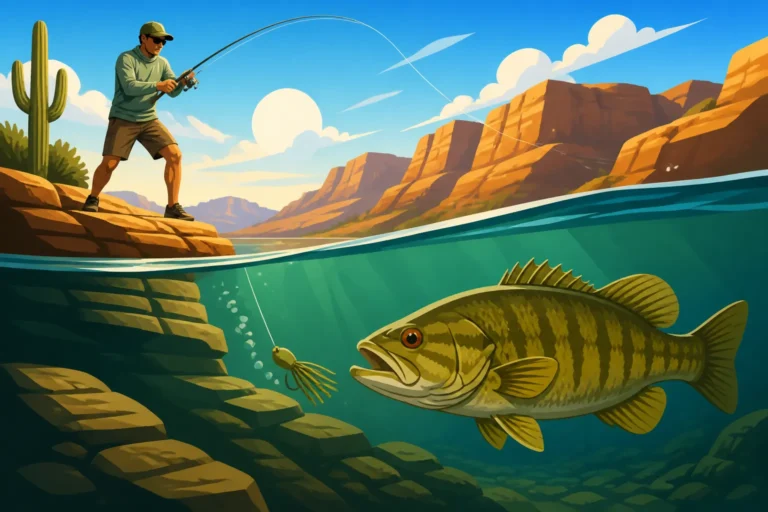
Once the sun is high and the surface water heats up, bass retreat to the deepest, coolest, and shadiest cover they can find. This means you need to adjust your focus from visible shoreline features to submerged structure. We're talking about old creek channels, deep points, humps, ledges, submerged timber, rock piles, and deep brush piles. These are the underwater havens where bass spend their hot days. This is where your electronics truly shine, helping you identify these hidden gems.
To effectively fish these deep structures, you'll need to use tactics that get your bait down quickly and keep it in the strike zone. Drop-shot rigs, Carolina rigs, deep-diving crankbaits, heavy jigs, and football jigs are all excellent choices. The key is to present your bait slowly and methodically, allowing the bass to expend minimal energy to strike. Think of it like serving them dinner in bed. They're not going to jump up and run after it; you need to bring it right to them. Understanding how to interpret your sonar and identify these structures is crucial. You're not just looking for fish; you're looking for the places where fish want to be when it's scorching hot. Our article on How to Fish Deep Structure in Summer Heat provides even more detail on this critical strategy.
Exploring the Cooler Feeder Canyons and Inlets
While the main lake body can feel like an inferno, some areas offer natural relief: feeder canyons, river inlets, and deep coves that receive some form of cooler water flow or offer persistent shade. These areas can act as natural refrigerators, drawing in baitfish and, consequently, bass. For example, some of the coves on Apache Lake or Canyon Lake might offer deeper, shadier channels where bass will congregate. The Colorado River, flowing through lakes like Lake Havasu or the stretch at Lees Ferry, often provides cooler, moving water that bass prefer.
These areas sometimes have steeper canyon walls that provide shade for longer periods, keeping the water temperatures slightly more comfortable. They can also have underwater springs or inflows from smaller creeks, even if seasonal, that introduce cooler water. When exploring these spots, pay close attention to depth changes, rock formations that create shadows, and any signs of baitfish. Bass will often hold tight to these features, waiting for an ambush opportunity. Using your boat to quietly explore these less-pressured areas can sometimes yield incredible results, especially if you can find areas with consistent current or deep, shadowed ledges.
| Time of Day | Typical Bass Behavior | Recommended Lures/Baits | Key Locations |
|---|---|---|---|
| Pre-Dawn to Sunrise | Active feeding, shallower pushes | Topwater lures (frogs, poppers), shallow crankbaits, weightless worms | Shaded coves, shallow points, emergent vegetation |
| Sunrise to Mid-Morning | Transitioning deeper, still somewhat active | Spinnerbaits, chatterbaits, Texas rigs, mid-depth crankbaits | Transition areas, drop-offs, edges of deep cover |
| Mid-Morning to Late Afternoon | Deepest, most lethargic, seeking refuge | Deep-diving crankbaits, jigs, Carolina rigs, drop shots | Submerged humps, ledges, creek channels, vertical cover |
| Late Afternoon to Sunset | Slowly moving shallower to feed | Spinnerbaits, swimbaits, jerkbaits, soft plastics | Steep banks, shaded points, secondary coves |
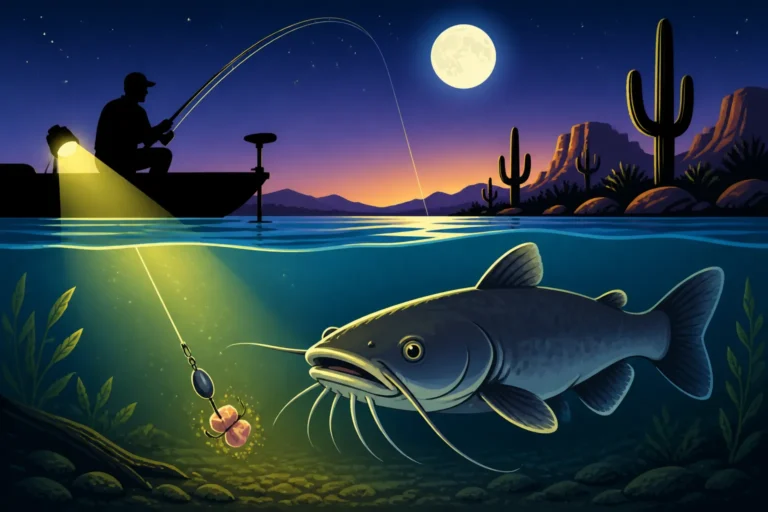
| After Sunset/Night | Highly active, cruising shallower flats | Dark-colored jigs, worms, creature baits, noise-making topwaters | Shallow flats, points, near lighted areas |
Top Summer Lures and Baits for Arizona Bass
Choosing the right bait is always crucial, but in the summer heat, it's absolutely paramount. You need presentations that can reach the fish where they're hiding and entice strikes from often lethargic bass. Let's dive into the must-have lures for your tackle box.
Deep-Diving Crankbaits and Jigging Spoons
When bass go deep, you need lures that can follow them. Deep-diving crankbaits are fantastic for covering large amounts of water along deep ledges, points, and humps. Look for models that can dive to 15-25 feet or more, mimicking shad or other common baitfish in Arizona lakes. Brands like Strike King, Rapala, and Berkley offer excellent deep divers. The key is to retrieve them at a consistent pace, allowing them to bang off the bottom or any structure you encounter. This deflection often triggers an instinctive reaction strike from otherwise inactive bass. Make sure you're using a rod with enough backbone to handle the resistance of these lures and a reel with a moderate gear ratio (around 6.x:1) to reduce fatigue. For a great selection, you can often find a wide variety of these crankbaits on Amazon, ensuring you have the right depth range covered.
Jigging spoons are another deep-water killer, especially when you've located schools of bass or baitfish on your fish finder. These heavy, metallic lures sink quickly and, when retrieved with a lifting and falling motion, imitate a dying or injured baitfish. They are particularly effective when bass are schooled up on deep structure or suspended in open water. Chrome, silver, or white colors are often excellent choices, especially in clear Arizona waters, as they mimic the flash of shad. Drop them directly onto the fish you see on your sonar, then use a sharp lift and drop technique to make them dart and flutter. This vertical presentation is incredibly effective for triggering strikes from deep, finicky bass.
Soft Plastics and Carolina Rigs
Soft plastics are truly the bread and butter of summer bass fishing, offering versatility that few other lure types can match. When bass are deep and inactive, slowing down your presentation with soft plastics can be the game-changer. Texas-rigged worms, creature baits, or senkos are phenomenal for fishing submerged brush piles, timber, and rocky areas. The weedless nature of the Texas rig allows you to probe heavy cover without constant snags, getting your bait right where the bass are hiding. Choose darker colors like junebug, black and blue, or green pumpkin, which provide a good silhouette in deeper, darker water. The key is a slow, deliberate retrieve with plenty of pauses.
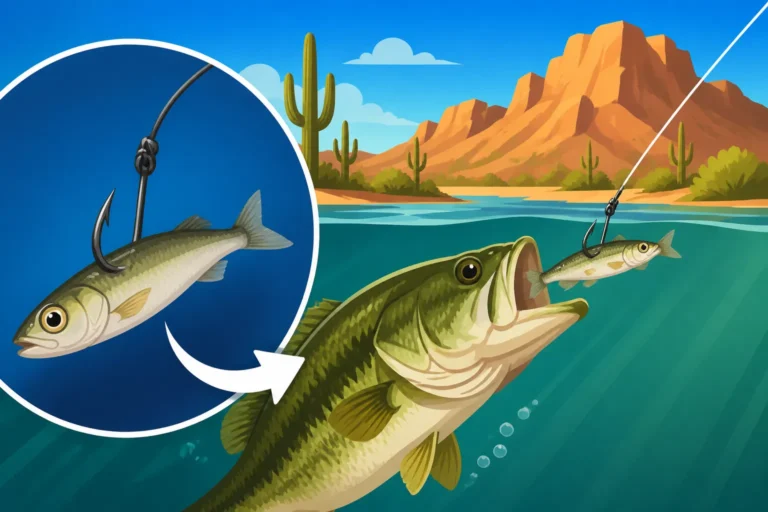
The Carolina rig is another fantastic deep-water technique for summer. This rig allows a weight to slide freely on your main line, with a swivel, leader, and then your soft plastic lure trailing behind. This separation between the weight and the bait gives your plastic a more natural, flowing action as it's dragged along the bottom. It's incredibly effective for covering large areas of deep flats, points, and ledges. You can use various soft plastics on a Carolina rig, from lizard baits to flukes or finesse worms. The rig excels at presenting a subtle, non-threatening meal to bass that might be hesitant to strike a faster-moving or more aggressive lure. To learn more, our guide on How to Fish a Carolina Rig for Largemouth Bass goes into great depth.
Topwater Action When and Where to Risk It
While summer is generally a deep-water game, there are those magical windows when topwater lures can still deliver exhilarating strikes. These moments typically occur in the very early morning or late evening, or on overcast days, when the water temperature is slightly cooler, and bass are willing to venture closer to the surface for a meal. Look for areas with shade, like under overhanging trees, along steep canyon walls that create shadows, or around lily pads and emergent vegetation in smaller coves.
Frogs, poppers, walking baits, and buzzbaits can all be effective. The key is to present them slowly and deliberately. A frog, for instance, worked over lily pads or thick mats of vegetation can draw incredible blow-ups. A walking bait, retrieved with a slow "walk-the-dog" action, can mimic an injured baitfish struggling on the surface. These are not lures you'll be throwing all day, but when conditions are right, the topwater bite is one of the most exciting ways to catch summer bass. Just be ready for the explosion, because when a big Arizona bass decides to smash a topwater, it's an unforgettable experience.
Essential Gear and Electronics for Summer Success
To truly dominate summer bass fishing in Arizona, you need more than just good tactics; you need the right tools in your arsenal. The heat puts extra demands on both you and your equipment, so proper preparation is key.
Rod and Reel Setups for Heavy Cover and Deep Water
Your rod and reel choices will be paramount for these deeper, heavier tactics. For fishing deep-diving crankbaits or heavy jigs, you'll want a medium-heavy to heavy power baitcasting rod, typically 7 to 7.5 feet in length, with a moderate-fast to fast action. This provides the backbone needed to cast heavier lures and, more importantly, to effectively set the hook and fight big bass out of deep cover. A quality baitcasting reel with a strong drag system and a lower gear ratio (around 6.3:1 or 5.x:1) is ideal for deep cranks, providing the torque to retrieve them without exhausting yourself. For jigs and Texas rigs, a slightly faster action rod might be preferred for better feel and quicker hooksets. Check out our recommendations for the Best Fishing Rods for Bass in Arizona.
When it comes to line, fluorocarbon is often the choice for deep-water presentations. Its low stretch provides excellent sensitivity for detecting subtle bites, and its invisibility underwater is a huge advantage in the often clear waters of Arizona lakes. Use 12-20 lb test, depending on the cover you're fishing. For Carolina rigs or when fishing extremely heavy cover, some anglers opt for braided line (30-50 lb test) as their main line, especially with a fluorocarbon leader, for its incredible strength and sensitivity. You can find a wide selection of quality fishing line options, including fluorocarbon and braid, on Amazon.
The Importance of a Quality Fish Finder
In summer, your fish finder is no longer just a luxury; it's a non-negotiable necessity. When bass are holding deep and tight to structure, you absolutely need to be able to see them and their environment. A modern fish finder with high-resolution sonar, side imaging, and down imaging capabilities will be your eyes underwater. It allows you to locate submerged humps, ledges, creek channels, brush piles, and even individual fish.
Learning to interpret what you see on the screen is a skill in itself. Look for bait balls, which indicate feeding activity, and "arches" or distinct marks that signify bass. Side imaging is particularly useful for scanning wide swaths of water to identify unseen structure like rock piles or timber off to the sides of your boat. Don't just motor around aimlessly; use your electronics to pinpoint productive areas, mark them with waypoints, and then precisely position your boat to cast to those spots. This precision fishing saves you countless wasted casts and significantly increases your chances of success. Our guide on the Best Fish Finders for Bass Fishing in Arizona offers detailed advice on choosing and using these essential devices.
Hydration and Sun Protection
This isn't about fishing gear, per se, but it's absolutely critical for your well-being, which directly impacts your ability to fish effectively. Arizona summers are no joke, and heatstroke is a real danger. Always, always prioritize hydration. Bring more water than you think you'll need – a gallon per person for a half-day trip is a good starting point. Electrolyte drinks can also be beneficial. Keep them in a good cooler to ensure they stay cold.
Sun protection is equally important. Wear lightweight, long-sleeved shirts made of UPF-rated material, a wide-brimmed hat, sunglasses, and a neck gaiter or bandana. Apply high-SPF sunscreen frequently to any exposed skin. Early mornings might feel cool, but the sun quickly becomes intense. Investing in proper sun-protective clothing and gear isn't just about comfort; it's about safety, ensuring you can enjoy your time on the water without suffering from sunburn or heat exhaustion. Remember, a miserable angler doesn't catch fish! You can find excellent UPF fishing shirts, hats, and cooling towels from various brands on Amazon that are designed to combat the intense desert sun.
Advanced Tactics and Finessing Bites
Once you've mastered the basics, it's time to refine your approach. Summer bass in Arizona are often educated and finicky, requiring a nuanced touch and a deep understanding of their behavior.
Interpreting Sonar and Mapping Software
Beyond just finding fish, truly interpreting your sonar is an advanced skill that pays dividends in summer. Don't just look for fish icons; pay attention to the contour lines on your mapping software (like those from Lowrance or Garmin). Are there subtle depth changes, humps, or ditches that don't show up as obvious structure from the surface? These "spot-on-the-spot" features, especially in conjunction with brush or rock, can hold trophy bass. Look for areas where a deep creek channel swings close to a prominent point, or where a hard bottom transitions to a soft bottom, which often signifies a change in habitat or potential feeding zones.
Modern fish finders often allow you to overlay mapping data with your live sonar, giving you a comprehensive view of the underwater world. Understanding how to use these features to identify primary and secondary points, deep water saddles, and isolated cover in offshore areas is crucial. Bass will use these subtle contours as highways and ambush points, especially when moving between deeper holding areas and shallower feeding zones. Practice identifying these features on your screen, marking them as waypoints, and then using your trolling motor to work them thoroughly.
Slowing Down Your Presentation
This is probably the most common mistake anglers make in the summer: fishing too fast. Remember, summer bass are trying to conserve energy. They're not always going to chase down a rapidly retrieved crankbait. Instead, you need to almost annoy them into biting. This means an incredibly slow, deliberate retrieve for almost all your deep-water presentations.
For jigs, imagine it crawling along the bottom, pausing for extended periods. For soft plastics on a Texas rig or drop shot, barely twitch your rod tip, let it sit, then twitch again. Sometimes, a full minute or more can pass between movements of your bait. This gives a lethargic bass ample time to approach, inspect, and finally decide to strike. It requires patience, but it's often the difference between catching a limit and getting skunked. Don't be afraid to experiment with even slower retrieves than you think are necessary; you'll be surprised how often it unlocks a bite. Our guide on Winter Bass Fishing Tactics in Arizona also emphasizes slowing down, which often applies to summer as well due to lethargic fish.
Dealing with Finicky Post-Spawn Bass
Many bass in Arizona will have completed their spawning rituals by early summer, leading to what's often referred to as a "post-spawn funk." After the intense energy expenditure of spawning, bass are often exhausted and scattered. They might not be actively feeding aggressively right away. This is where finessing techniques become vital. Think lighter lines, smaller baits, and more subtle presentations.
Downsizing your baits, such as using a smaller finesse worm on a shaky head or a compact jig, can often tempt these finicky fish. Pay attention to their mood; if they're not hitting aggressive lures, switch to a finesse presentation. Sometimes, a tiny grub on a small jig head or a highly realistic drop shot worm, precisely presented, is what it takes. It's about offering an easy meal that requires minimal effort on their part. The bass are still there, they just need to be convinced, and finesse tactics are often the persuasion they need.
Safety and Conservation Tips for Hot Weather Angling
Beyond the tactics, being a responsible and safe angler in Arizona's summer heat is absolutely non-negotiable. The conditions are tough, and we need to protect both ourselves and the incredible fish we chase.
Prioritizing Your Well-being
We already touched on hydration and sun protection, but let's reiterate: these are paramount. Beyond that, be aware of the signs of heat exhaustion and heatstroke. Symptoms like dizziness, nausea, excessive sweating (or lack thereof), and confusion are red flags. If you or a fishing buddy experience these, get to shade immediately, drink water, and cool down. Don't be a hero; it's okay to call it a day if the heat becomes too much. Consider fishing with a partner, especially during the extreme heat, so you can look out for each other.
Also, be mindful of boat ramp conditions. Concrete ramps can get incredibly hot, and low water levels can expose hazards or make launching difficult. Always wear appropriate footwear and exercise caution. Having a fully charged phone and letting someone know your plans and estimated return time are also smart precautions. For a full breakdown, consult our article on Heat Safety Tips for Summer Fishing in Arizona.
Protecting Your Catch in High Temperatures
Catch and release is a common practice, but in summer, it requires extra care to ensure the fish's survival. When water temperatures are high, dissolved oxygen levels are typically lower, and bass are already stressed. Minimizing their time out of the water is crucial. Have your camera ready, quickly snap a photo, and get the fish back in the water as fast as possible.
Consider using barbless hooks or crushing the barbs on your hooks to facilitate easier and quicker removal. When handling bass, support their body horizontally, especially larger fish, to avoid damaging their jaws or internal organs. If you're using a livewell, ensure it's functioning properly and that the water is oxygenated and circulating. Some anglers even add ice to their livewells to slightly cool the water, though this must be done carefully to avoid shocking the fish with a sudden temperature change. If you plan to keep fish for dinner, quickly dispatch them and put them on ice to preserve their quality.
Responsible Angling Practices
Beyond direct fish handling, responsible angling in summer extends to the broader environment. Always pack out everything you pack in – no trash left behind. Be mindful of prop wash near shorelines where juvenile fish or sensitive habitats might be present, especially in areas with low water levels. Understand and adhere to all Arizona Fishing Regulations Explained, including bag limits, size restrictions, and any special regulations for specific lakes or species.
Support conservation efforts by purchasing your Arizona Fishing License Guide and contributing to organizations that work to protect and enhance Arizona's fisheries. By being a safe, knowledgeable, and responsible angler, you're not only increasing your own chances of success but also ensuring that future generations can enjoy the incredible experience of summer bass fishing in the Grand Canyon State. It’s about more than just catching fish; it’s about preserving the sport and the natural beauty that makes it possible.
Disclaimer
The information provided in this guide is for general informational purposes only and does not constitute professional advice. Always consult the official Arizona Game and Fish Department regulations and advisories before engaging in any fishing activities. Fishing conditions, regulations, and safety requirements can change, and it is the responsibility of each individual angler to ensure compliance and safety.