Guided Fishing Trips on Lake Powell
Lake Powell is an absolutely incredible fishing destination, a true jewel in Arizona's crown, but let's be real: it's also a massive, complex body of water that can be incredibly intimidating for even seasoned anglers. Its sheer size, intricate canyons, and ever-changing conditions mean that figuring out where the fish are biting and what they're biting on can feel like solving a riddle wrapped in an enigma. This guide is all about demystifying the process and showing you how a guided fishing trip can transform a potentially frustrating guessing game into an unforgettable, successful adventure on these breathtaking waters.
Why a Guided Trip on Lake Powell is a Game-Changer
Trying to tackle Lake Powell on your own can be a daunting experience. You're talking about over 1,900 miles of shoreline when full, a labyrinth of canyons, bays, and open water, all under the intense Arizona sun. It’s easy to spend an entire day crisscrossing the lake, burning expensive fuel, and still come up empty-handed, leaving you feeling more defeated than exhilarated. That's where a knowledgeable fishing guide truly shines, turning potential frustration into a high-octane fishing experience.
Local Expertise You Can't Replicate
A good Lake Powell fishing guide isn't just someone who knows how to drive a boat; they are intimately familiar with every cove, every submerged rock pile, every drop-off, and every seasonal change that affects the fish. They've spent countless hours on the water, tracking fish movements, observing feeding patterns, and learning the subtle cues that indicate where the big ones are hiding. This isn't information you can just pick up from a map or a quick online search; it's hard-earned wisdom passed down through seasons of trial and error.
Think about it: they know when the striped bass are schooling in massive boils, where the largemouth are hiding in brush piles during the summer heat, or which deep ledges the smallmouth prefer in cooler months. They’ve seen it all, from dramatic water level changes to shifting forage bases, and they adapt their strategies on the fly. This local knowledge saves you precious time and dramatically increases your chances of success. You're not just fishing; you're learning from a living, breathing encyclopedia of Lake Powell's aquatic secrets.
Specialized Gear and Techniques for Powell's Unique Challenges
Lake Powell is unlike many other fishing destinations. The depths, the clarity of the water in some areas, the sheer size of the fish, and the specific forage species (like threadfin shad) all demand specialized gear and techniques. Most guides come equipped with top-of-the-line boats, powerful electronics, and a wide array of rods, reels, and lures specifically chosen and tuned for Lake Powell's conditions and target species.
For instance, if you're chasing striped bass during a "boil" – where they explode on the surface chasing shad – your guide will have the right fast-action rods, durable reels, and an arsenal of topwater lures and swimbaits ready to deploy. If you're targeting deep-water bass, they'll have the heavy jigs, drop shot rigs, and understanding of how to read their sonar to pinpoint subtle structure. This means you don't have to invest in expensive, specialized equipment that you might only use a few times a year. Plus, they'll teach you the specific retrieves, presentations, and fighting techniques that are most effective for each species and situation, giving you an invaluable education that you can apply to future trips. This expert guidance transforms your outing from a hopeful cast into a strategic hunt.
Safety and Comfort on a Vast Lake
Lake Powell is stunning, but it can also be unforgiving. Sudden wind gusts can whip up dangerous waves, the summer sun can be brutally intense, and navigating its hundreds of miles of canyons requires expert boat handling and a keen understanding of navigation. A professional guide prioritizes your safety and comfort above all else. They monitor weather conditions, know the safe passages, and are equipped with all necessary safety gear, including life jackets, first-aid kits, and communication devices.
Imagine being deep in a remote canyon, the wind suddenly picking up, and not knowing the best way back to the main channel. With a guide, you can relax and focus on fishing, knowing that a seasoned professional is at the helm. They also ensure you're comfortable throughout the trip, often providing shade, plenty of water, and snacks, making your long day on the water much more enjoyable. This peace of mind allows you to fully immerse yourself in the fishing experience. You’ll be able to focus on the thrill of the catch rather than worrying about getting lost or dealing with unexpected conditions.
What to Expect from a Lake Powell Fishing Guide
Embarking on a guided fishing trip on Lake Powell is an experience tailored to maximize your chances of catching fish and enjoying the incredible scenery. It’s not just about getting on a boat; it’s about a curated adventure designed by someone who lives and breathes this lake.
Typical Trip Itinerary and Duration
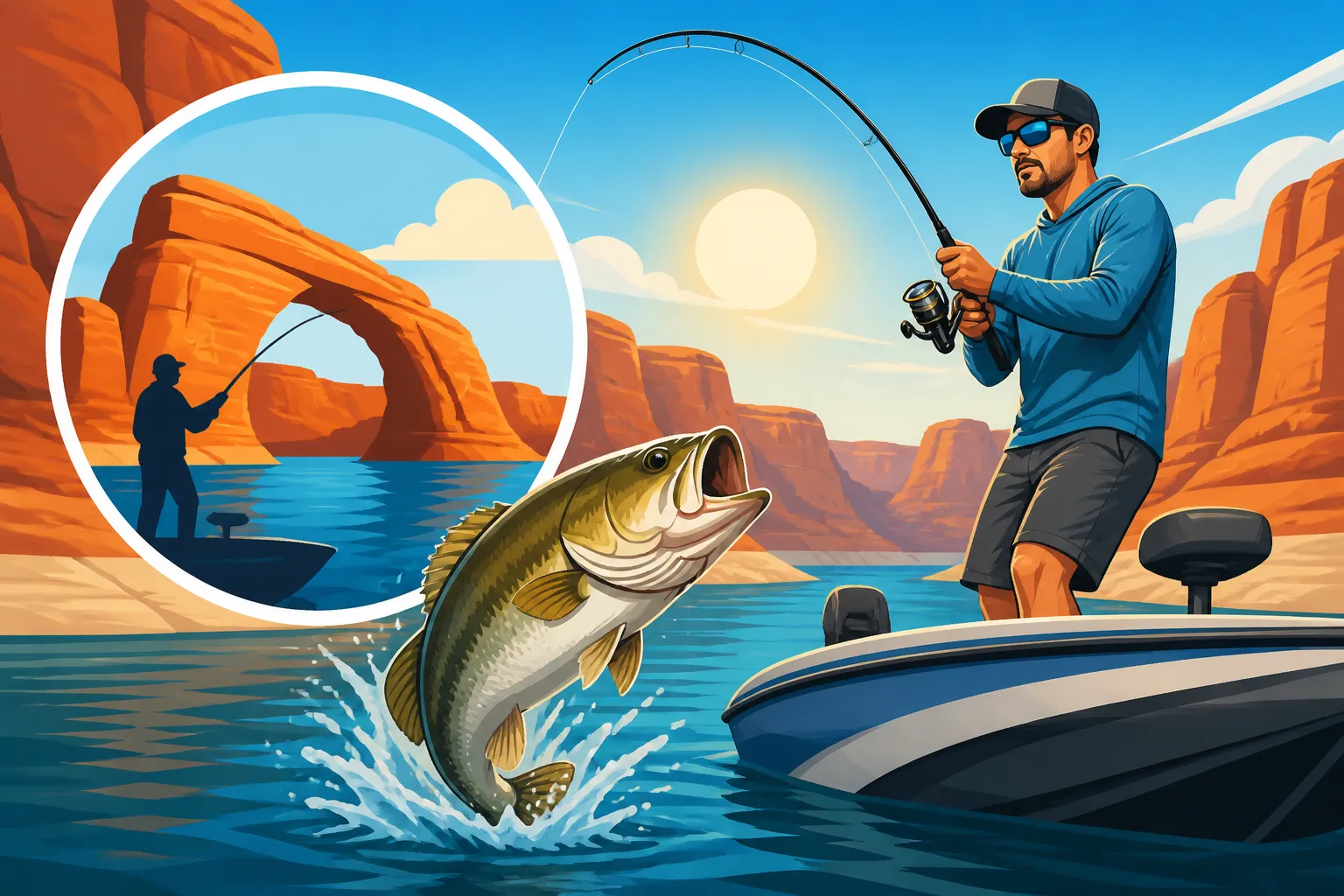
Most guided trips on Lake Powell range from half-day (4-5 hours) to full-day (8-10 hours) excursions. The itinerary largely depends on the time of year, target species, and the current lake conditions. A typical full-day trip usually starts bright and early, often before sunrise, to take advantage of the calmer waters and prime feeding times when fish are most active. You’ll meet your guide at a designated marina, like Wahweap, Antelope Point, or Bullfrog, depending on their home base and where the fish have been biting most consistently.
After a brief safety overview and discussion of the day's plan, you'll head out onto the lake. Guides often spend the first hour or two navigating to prime fishing spots, which could be deep into a canyon system, along a prominent main lake point, or out in open water where schooling fish are active. Throughout the day, they'll move between several spots, adjusting tactics based on what the fish are doing. Lunch is usually a casual affair, often eaten on the boat in a scenic cove, giving you a chance to refuel and soak in the incredible surroundings. Half-day trips follow a similar pattern but are condensed, focusing on hitting fewer, highly productive spots to ensure you get fishing action in a shorter timeframe. No matter the duration, the guide’s goal is to keep you on fish and make every moment count.
Target Species and Fishing Techniques
Lake Powell is renowned for its diverse fishery, but most guides will focus on the lake's most popular sport fish: striped bass, largemouth bass, and smallmouth bass. Depending on your preference and the season, your guide will gear the trip towards one or more of these species.
- Striped Bass: These powerful fish are a favorite target, especially when they form massive "boils" chasing schools of shad. Guides will often employ fast-trolling techniques with large crankbaits or umbrella rigs in open water, or they'll be on the lookout for surface activity, ready to have you cast topwater lures, swimbaits, or even live bait into the frenzy. Catching a striper during a boil is an exhilarating experience, often resulting in multiple hook-ups! If you're keen on this, look for guides specializing in how to fish for striped bass.
- Largemouth Bass: You'll find largemouth in the warmer, shallower, and often murkier backs of canyons or in areas with submerged structure. Guides will use techniques like flipping jigs, Texas-rigged worms, crankbaits, or spinnerbaits around brush, rockfalls, and drowned timber. These fish offer powerful fights, especially when pulled from heavy cover.
- Smallmouth Bass: These hard-fighting fish thrive in Lake Powell's clear, rocky canyons. Guides will often target them with drop shots, shaky heads, small jigs, or tubes fished along ledges, rock walls, and main lake points. The crystal-clear water often means precise presentations and lighter lines are key. If you are specifically targeting these, ask your guide about the best smallmouth bass fishing techniques for Lake Powell.
Your guide will provide all the necessary tackle, teach you the optimal retrieval methods, and help you refine your casting to put your bait exactly where the fish are hiding. This hands-on coaching is one of the biggest benefits of a guided trip.
Amenities and Inclusions
When you book a guided trip, a lot of the logistical burden is lifted from your shoulders. Typically, the guide will provide:
- Boat and Fuel: A fully equipped, comfortable fishing boat designed for Lake Powell, complete with all safety gear.
- Rods, Reels, and Tackle: High-quality gear suited for the target species and conditions.
- Bait and Lures: A vast selection of live bait (if applicable) and artificial lures.
- Water and Snacks: Keeping you hydrated and energized under the desert sun. Many guides also offer lunch on full-day trips.
- Fish Cleaning: Many guides will clean and fillet your catch at the end of the day, ready for you to take home and cook.
- Expert Instruction: This is arguably the most valuable amenity – personalized coaching to improve your skills.
What you'll typically need to bring includes your valid Arizona fishing license, appropriate clothing for the weather (layers are always good, even in summer for early mornings), polarized sunglasses, sunscreen, and a hat. Don't forget your camera to capture those amazing catches and the stunning scenery!
| What Your Guide Typically Provides | What You Should Bring |
|---|---|
| Fully equipped fishing boat | Valid Arizona Fishing License |
| All fishing rods and reels | Sunscreen and hat |
| Assortment of baits and lures | Polarized sunglasses |
| Bottled water and snacks | Appropriate layered clothing |
| Life jackets and safety gear | Camera |
| Fish cleaning and filleting | Cooler for your fillets (optional) |
| Expert instruction and local knowledge | Any personal medications |
How to Choose the Right Fishing Guide for Lake Powell
Picking the right guide is crucial for a successful and enjoyable trip. It's not just about who's available; it's about finding someone whose expertise, personality, and approach align with your expectations.
Experience and Specializations
The first thing to look for is a guide with extensive experience specifically on Lake Powell. The lake changes constantly, and a guide who has navigated its waters for years will have a depth of knowledge that newer guides simply can't match. Don't be afraid to ask how long they've been guiding on Powell.
Additionally, consider what species you're most interested in catching. Some guides might specialize in chasing trophy largemouth, while others are renowned for finding those epic striped bass boils. If you have a particular goal in mind – say, catching your first smallmouth bass – seek out a guide who explicitly highlights that expertise. Platforms like FishingBooker allow you to filter guides by their target species, which can be incredibly helpful. You want someone who is passionate and knowledgeable about the type of fishing you want to do.
Boat, Equipment, and Technology
A guide's setup speaks volumes about their professionalism and commitment. Inquire about the type of boat they run. Is it comfortable and spacious enough for your group? Is it well-maintained and equipped with modern safety features? On a lake as vast as Powell, a reliable boat with powerful motors is essential.
Beyond the boat, ask about their electronics package. High-end fish finders, side-imaging, and GPS mapping systems are powerful tools that significantly aid in locating fish and navigating safely. Good guides invest heavily in these technologies to put you on fish consistently. Of course, they should also have a good selection of high-quality rods and reels, suited for various techniques and fish sizes. You don't want to show up only to find yourself using worn-out gear that jeopardizes your chance at landing a big one. A professional guide will be proud to share details about their equipment.
Reviews, References, and Booking Platforms
In today's connected world, researching a guide is easier than ever. Start by checking online reviews on platforms like Google, TripAdvisor, or fishing-specific booking sites such as FishingBooker. Pay attention to consistent themes in the reviews: Do people praise their patience, their ability to find fish, their teaching skills, or their professionalism? Look for recent reviews, as a guide's performance can sometimes fluctuate.
Don't hesitate to ask the guide for references from past clients, especially if you're booking a high-stakes trip or targeting a specific species. A reputable guide will be happy to provide them. When booking, consider using a platform like FishingBooker, which not only provides a convenient way to compare multiple guides, check their availability, and read verified reviews, but also often offers secure payment options and clear cancellation policies. This can add an extra layer of peace of mind to your booking process.
Preparing for Your Guided Lake Powell Fishing Adventure
Once you've booked your guide, a little preparation on your part can go a long way in ensuring you have the best possible experience on Lake Powell. It’s about being ready for the conditions and maximizing your time on the water.
Required Licenses and Permits
This is perhaps the most critical step. Everyone 10 years of age and older needs a valid Arizona fishing license to fish Lake Powell (or a Utah license if you're fishing the Utah side, though many Arizona guides' licenses cover the whole lake). You can easily purchase your license online through the Arizona Game and Fish Department website or from authorized dealers before your trip. Make sure you understand the different types of licenses and choose the one that fits your needs for the duration of your trip. Don't wait until the last minute, as technical issues can sometimes arise. Have your license readily accessible, whether it's a printed copy or on your phone as a digital license. Remember, fishing without a license can lead to hefty fines, and your guide won't be able to take you out if you don't have one. Make sure you also check the current Arizona fishing regulations for any specific rules related to Lake Powell.
What to Pack for the Conditions
Lake Powell, being in the desert, experiences extreme temperatures. Even if it's a cool morning, the sun can become intense very quickly. Here’s a quick checklist of essentials:
- Sun Protection: This is paramount. Bring plenty of high-SPF sunscreen, a wide-brimmed hat, and polarized sunglasses (which also help you see fish better!). Long-sleeved, lightweight shirts with UPF protection are highly recommended, even in summer. The reflection off the water amplifies the sun’s intensity. Read up on the Best Sun Protection for Desert Fishing to ensure you're covered.
- Layered Clothing: Mornings can be chilly, especially during spring and fall. Dressing in layers allows you to adjust as the day warms up. A lightweight jacket or hoodie is often a good idea.
- Footwear: Wear comfortable, non-slip shoes that can get wet.
- Personal Items: Any medications you need, a camera to capture memories, and a small backpack for your personal belongings.
- Cooler (Optional): If your guide cleans your fish, you might want a small cooler in your vehicle to transport your fillets home.
Setting Expectations and Communicating with Your Guide
Before you even step on the boat, have an open conversation with your guide. Clearly communicate your goals for the trip. Are you hoping to catch a specific species? Are you more interested in learning new techniques? Do you want to try for a trophy fish, or are you just looking to have fun and catch a lot of fish, regardless of size? The more information you share, the better your guide can tailor the experience to your preferences.
Also, understand that fishing is still fishing – there are no guarantees. While a guide dramatically increases your chances, sometimes the fish simply aren't biting. A good attitude and realistic expectations will ensure you still have a fantastic time, even if the fish are playing hard to get. Embrace the learning experience, enjoy the stunning scenery, and savor the opportunity to explore one of Arizona's most majestic fishing destinations. Your guide is there to ensure you have a memorable day, and clear communication helps them deliver exactly that.
Disclaimer
Fishing conditions and regulations in Arizona can change. Always check the latest Arizona Game and Fish Department regulations and stocking schedules before heading out on any fishing trip. The information provided in this guide is for general informational purposes only and does not constitute professional advice.