Rod Limit Per Angler in Arizona
It's easy to feel a little lost when you're trying to figure out all the nuances of fishing regulations, especially when it comes to something as specific as how many rods you can actually have in the water. Nobody wants to accidentally break a rule and face a fine, right? This guide is here to clear up the confusion surrounding the rod limit per angler in Arizona, ensuring your next fishing trip is both legal and enjoyable.
Understanding Arizona's Fishing Rod Regulations
Navigating the rules and regulations for fishing can sometimes feel like trying to untangle a particularly stubborn fishing line. You want to do things right, but the specifics aren't always crystal clear. When it comes to how many rods you can use at one time in Arizona, there’s a general rule that applies to most situations, designed to manage fishing pressure and promote fairness among anglers.
The Statewide Standard: Two Rods Per Angler
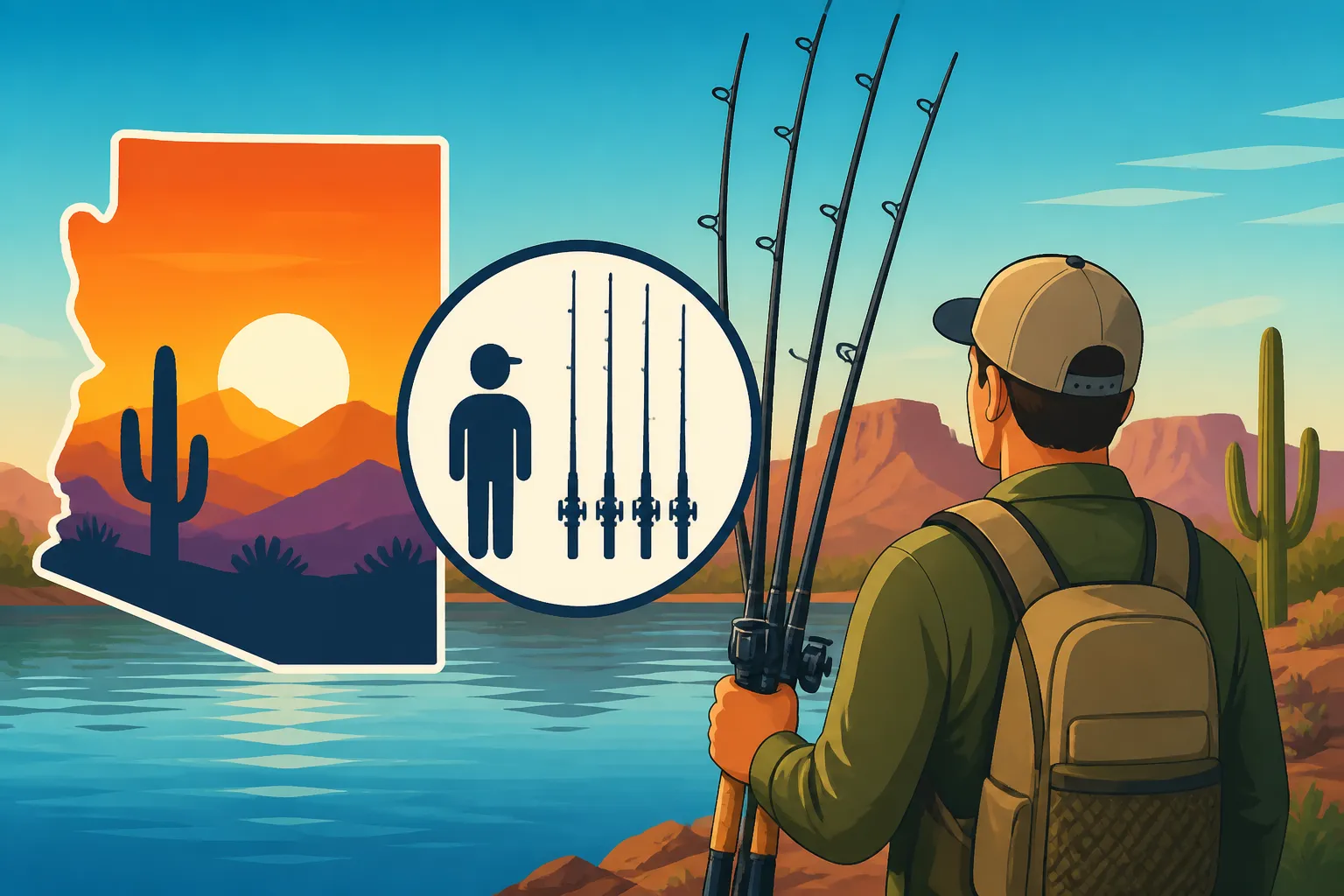
For the vast majority of lakes, rivers, and streams across Arizona, the standard rule is pretty straightforward: you're allowed to actively fish with two rods per licensed angler. This means you can have two lines in the water, each attached to a rod that you're actively managing. It's a common regulation in many states, and for good reason. Imagine a busy weekend at a popular spot like Lake Pleasant or Roosevelt Lake; if everyone was allowed to set out a dozen lines, it would quickly become a tangled mess, and the fish would face immense pressure.
This "two-rod rule" is in place to create a level playing field for everyone. Whether you're casting for bass, trolling for stripers, or soaking bait for catfish, you’re limited to those two lines. It encourages anglers to be more strategic and skillful with their presentations, rather than simply saturating the water with as many hooks as possible. For most of us, two rods are plenty to work different depths, try different baits, or simply keep one line active while waiting on another. It's about enjoying the experience responsibly, knowing that the resources are being managed for everyone, now and in the future. To make sure you’re always up to date, it's a good idea to consult the official Arizona Fishing Regulations Explained.
Why This Rule Matters for Arizona's Fisheries
The rod limit isn't just about keeping things tidy; it plays a crucial role in the conservation and management of Arizona's diverse fisheries. Our desert lakes and mountain streams are unique ecosystems, and while some are incredibly productive, they can also be fragile. Limiting the number of rods helps to control the overall impact of anglers on fish populations. More rods in the water generally mean more hooks, which can lead to higher catch rates and, potentially, higher harvest rates if anglers choose to keep their catch.
Consider popular species like largemouth bass or rainbow trout, which are heavily targeted. Without a rod limit, these populations could face unsustainable pressure, leading to a decline in numbers or average size. The Arizona Game and Fish Department (AZGFD) uses regulations like the two-rod limit to help balance angler opportunity with the biological needs of the fish. It's part of a broader strategy to ensure that future generations can enjoy the same quality of fishing experiences we have today. This regulation also subtly encourages anglers to focus on technique and presentation, rather than relying solely on brute force or overwhelming the fish with multiple offerings. It promotes thoughtful angling, which benefits both the angler and the fish.
Exceptions and Special Circumstances to the Rod Limit
While the two-rod rule is the general standard, Arizona's diverse fishing opportunities mean there are a few specific situations where the rules might bend a little. It's these nuances that can sometimes trip up even experienced anglers, so let's break down where you might find different requirements.
Community Fishing Program Waters and Their Unique Rules
Arizona is fantastic for its urban Community Fishing Program, which stocks lakes and ponds right in the heart of cities like Phoenix and Tucson. These waters are designed for easy access, especially for families and beginners. Because they are often smaller, intensely managed, and frequently stocked with popular species like rainbow trout, channel catfish, and sunfish, their regulations can differ slightly from larger, natural bodies of water.
In many Community Fishing Program waters, anglers might actually be allowed to use more than two rods. For instance, it's not uncommon to find rules permitting up to three or even four rods per angler in these specific lakes. This is often done to maximize the chances of success for anglers, especially kids, who are just starting out. Since these lakes are stocked regularly, the increased pressure from more rods is typically factored into the stocking schedule. However, it's absolutely critical to check the specific signage at each Community Fishing Program lake you visit, as rules can vary slightly from one pond to another. The AZGFD posts detailed information about these sites, and understanding the specific Arizona Community Fishing Program Rules is essential before you cast your line. Always assume the two-rod rule unless signage explicitly states otherwise at a community fishing pond.
Special Regulation Waters and Species-Specific Limits
Beyond the community lakes, there are also "Special Regulation Waters" across Arizona where the rules might be different due to unique ecological considerations, the presence of sensitive native species, or a desire to promote specific types of angling. These areas might include certain stretches of rivers, small mountain lakes, or designated fly-fishing-only sections.
In some special regulation waters, the rod limit could be more restrictive, perhaps limiting anglers to only one rod or even prohibiting certain types of gear. For example, some sensitive trout streams might be designated as "artificial lure and fly only" with a single rod limit, to reduce impact on the fish and their habitat. Other areas might have specific rules around gear types, like certain stretches of the Black River or the Lees Ferry section of the Colorado River, famed for its trout. These specific rules are often implemented to protect native fish species, maintain water quality, or ensure a particular type of trophy fishery. Conversely, in some large reservoirs like Lake Powell, which is known for its prolific striped bass population, you might find more liberal rules regarding rod limits or methods like chumming. It's always a good practice to check the most current Arizona Fishing Regulations Booklet Where to Find It for the specific body of water you intend to fish, as these special rules are clearly outlined there.
Youth Anglers and Their Exemptions or Considerations
Getting kids hooked on fishing is one of life's great joys, and thankfully, Arizona's regulations are often considerate of our youngest anglers. Generally, children under a certain age are not required to purchase an Arizona Fishing License Guide. This exemption typically applies to kids under 10 years old. When it comes to rod limits, youth anglers usually fall under the same two-rod per person rule as adults, but with the caveat that they may not need their own license if they are below the licensing age requirement.
So, if you have a 7-year-old fishing alongside you, they can typically use one or two rods, and you can still use your two, provided you are all actively fishing and adhering to the limits. However, if a child is actively fishing with two rods, they are generally counted as one angler utilizing their allotted rod count. The key distinction is whether they are old enough to require their own license. For clarity on specific age requirements and exemptions, it’s best to refer to the official guidelines on Fishing License Age Requirements in Arizona. The goal is to make fishing accessible and enjoyable for youngsters without compromising conservation efforts.
Practical Implications of the Two-Rod Limit
Understanding the regulations is one thing, but making them work for you on the water is another. The two-rod limit in Arizona, while seemingly restrictive, actually encourages thoughtful fishing strategies and can lead to more success if you approach it smartly.
Maximizing Your Chances with Two Rods
With only two rods in hand, you need to be strategic. This isn't a limitation; it's an opportunity to refine your approach. One of the most common and effective ways to maximize your two rods is to use them for different presentations. For instance, if you're targeting bass on Lake Pleasant, you might use one rod for a faster, reaction-strike bait like a crankbait or a spinnerbait, covering a lot of water quickly. On your second rod, you could rig up a slower, more subtle presentation, such as a Texas-rigged plastic worm or a drop shot rig, allowing you to thoroughly work a specific piece of structure or cover. This way, you're essentially testing two different theories simultaneously, quickly figuring out what the fish are responding to.
Another popular strategy, especially when fishing for species like catfish or carp, is to use one rod with a bottom rig and a static bait (like stink bait or cut bait), letting it soak while you actively cast and retrieve with your second rod. This covers both active and passive fishing techniques, increasing your odds. For trout fishing in colder waters, you might have one rod set up with powerbait on the bottom, and the other with a small Kastmaster spoon or inline spinner for active retrieval. When you're outfitting your tackle box, think about versatile gear. Websites like Amazon offer a huge selection of rods, reels, and lures that can serve multiple purposes, allowing you to adapt your two-rod strategy on the fly. Remember, it's not about the number of rods, but how effectively you use the ones you have.
Avoiding Violations and Understanding Penalties
Nobody wants their peaceful day on the water to end with a citation. Unintentionally violating the rod limit is an easy mistake to make if you're not paying attention or if you're unfamiliar with the specific rules for the waterbody you're fishing. A common scenario is having a third rod lying on the bank, rigged and ready, even if it's not actively in the water. In Arizona, if a third rod is "ready for use" and within reach, it can still be considered a violation, even if a line isn't wet. The emphasis is on active use and immediate control. Always ensure that any spare rods are properly stored and not immediately accessible for fishing, effectively making them non-fishing gear for that moment.
The penalties for fishing violations in Arizona can vary depending on the severity and whether it's a first offense. Generally, a violation of fishing regulations, including exceeding the rod limit, can result in fines that might range from a few hundred dollars to more significant amounts. In some cases, repeated offenses could lead to the suspension or revocation of your fishing license. It's not just about the monetary cost; it's also about losing the privilege to enjoy fishing. The Arizona Game and Fish Department takes conservation seriously, and adhering to these rules is part of being a responsible angler. For a full breakdown of potential consequences, you should review the details on Fishing Violation Fines and Penalties in Arizona.
How to Stay Informed About Arizona Fishing Regulations
The world of fishing regulations isn't static; it evolves to protect fish populations, adapt to environmental changes, and respond to public input. Staying current is your best defense against accidental violations and ensures you're always fishing within the law.
Consulting Official Arizona Game and Fish Department Resources
The absolute best source for accurate and up-to-date fishing regulations in Arizona is the Arizona Game and Fish Department (AZGFD). They publish an annual Arizona Fishing Regulations Booklet Where to Find It that details all statewide rules, specific waterbody regulations, bag limits, and any special conditions. This booklet is your bible for fishing legally in Arizona. You can usually find physical copies at AZGFD offices, sporting goods stores like those found through an online search on Amazon for "fishing gear Arizona," and licensed dealers across the state.
Crucially, the AZGFD also maintains a comprehensive website where you can access the full digital version of the regulations, along with advisories, stocking schedules, and news updates. Before any fishing trip, especially to a new-to-you location, make it a habit to check their website or grab a physical copy of the booklet. Don't rely solely on what a friend tells you or what you read on an old forum post; regulations can change. Taking a few minutes to review the official source can save you a lot of hassle and potential fines down the line.
Staying Current with Regulation Changes
Fishing regulations aren't set in stone. They can, and do, change. The AZGFD regularly monitors fish populations, habitat conditions, and angler pressure, making adjustments to regulations as needed. These changes might include new limits for certain species, updated rules for specific lakes, or even temporary closures during sensitive spawning periods. For example, Arizona Fishing Season Dates and Limits can shift based on biological needs or environmental factors.
To stay current, signing up for email newsletters from the AZGFD is a fantastic idea. They often send out alerts about regulation changes, stocking reports, and important notices. Following their social media channels can also provide real-time updates. Additionally, when you renew your Arizona fishing license, always make sure to grab the latest copy of the regulations booklet, as it will reflect any changes from the previous year. Being a responsible angler means being informed, and making a small effort to keep up with the rules is a vital part of enjoying our state's incredible fishing opportunities for years to come.
Arizona Fishing Rod Limit Overview
Here’s a quick overview of typical rod limits in Arizona, but always double-check specific regulations for your chosen fishing spot!
| Water Type | Standard Rod Limit (Per Angler) | Common Exceptions/Notes | Key Action |
|---|---|---|---|
| Most Lakes, Rivers, Streams | Two Rods | Applies to most general fishing areas, including large reservoirs like Roosevelt Lake. | Consult the annual AZGFD Regulations. |
| Community Fishing Waters | Up to Four Rods (Varies) | Often more lenient due to high stocking. Crucially, check local signage. | Look for signs at the specific pond/lake. |
| Special Regulation Waters | One Rod (Often) | Designed for conservation or specific angling types (e.g., fly-fishing only areas). | Check the AZGFD Regulations for specific water. |
| Youth Anglers (Under 10) | Two Rods | No license required, but still adhere to rod limit per active angler. | Refer to Minimum Age to Fish Without a License in Arizona for details. |
Disclaimer
Please remember that fishing regulations can change. While we strive to provide accurate and up-to-date information, it is always your responsibility to consult the official Arizona Game and Fish Department regulations before heading out on any fishing trip. Adhering to these rules ensures a safe and responsible angling experience for everyone.