Best Life Jackets for Anglers
It's easy to think, when you're out on a calm Arizona lake or river, that a life jacket is just an extra piece of bulk, something you have to have on board but don't really need to wear. Maybe you're an experienced angler, you know the waters, and you feel perfectly safe. But the truth is, even the most seasoned fisher can face unexpected hazards, from sudden gusts of wind to slipping on a slick bank or boat deck. This comprehensive guide is here to cut through those common misconceptions and help you discover how a properly chosen life jacket isn't just a legal requirement, but a crucial piece of gear that enhances your safety and even your comfort, ensuring you can focus on reeling in that trophy fish without a second thought for what might go wrong.
Why a Life Jacket is Non-Negotiable for Arizona Anglers
When you're out chasing bass on Lake Pleasant or trout in a White Mountains stream, your focus is naturally on the fish. But even the most tranquil Arizona waters can turn unpredictable in an instant. A life jacket, often called a Personal Flotation Device (PFD), isn't just a suggestion; it's a vital piece of safety equipment that could literally save your life. Think of it as your insurance policy against the unexpected.
Unexpected Dangers on Arizona Waters
Arizona's diverse fishing environments, from vast desert reservoirs to narrow mountain streams, each present their own unique set of hazards. On a large lake like Roosevelt or Lake Havasu, a calm morning can quickly give way to strong winds and white caps, especially during the monsoon season. A rogue wave from a passing boat can catch you off guard, or even a sudden shift in weight while casting can send you overboard. If you're fishing from the bank or rocks, a misstep on slippery terrain can lead to a fall into cold water, where currents can be surprisingly strong. And let's not forget the possibility of medical emergencies – a sudden cramp, a dizzy spell, or even just hitting your head during a fall can render you incapacitated, making it impossible to stay afloat on your own. Is Kayak Fishing Safe on Windy Desert Lakes? highlights some of these specific challenges.
The Critical Role of Flotation in Emergencies
In any emergency where you find yourself in the water, flotation provides precious time and critical advantages. First and foremost, a PFD keeps your head above water, even if you're unconscious or injured. This alone is paramount for preventing drowning. Secondly, it conserves your energy. Without a life jacket, you'd be expending valuable energy just to stay afloat, energy that could be used to signal for help, swim to shore, or assist others. In cold water, a life jacket can also provide a small but significant layer of insulation, helping to delay the onset of hypothermia. And for those fishing remote areas, staying afloat and visible vastly increases your chances of being spotted by search and rescue teams.
Beyond Just Staying Afloat: Essential Safety Features
Modern fishing life jackets are designed with more than just basic flotation in mind. Many come equipped with features that go beyond simply keeping you on the surface. For instance, integrated whistles are common, allowing you to signal for help much more effectively than shouting, especially across open water or against wind. Reflective tape or bright, high-visibility colors increase your chances of being seen by other boaters or rescuers, particularly in low light conditions or after dark. Some advanced angler PFDs even have pockets designed to hold essential survival gear like a small first-aid kit, a waterproof flashlight, or a personal locator beacon (PLB). These seemingly small additions can make a monumental difference when every second counts in an emergency.
Decoding Life Jacket Types: Which One Suits Your Fishing Style?
Choosing the right life jacket isn't a one-size-fits-all situation, especially for anglers. The "best" one really depends on your specific fishing activities, the type of water you'll be on, and your personal preferences for comfort and mobility. The United States Coast Guard (USCG) classifies PFDs into different types based on their intended use and flotation performance, which can be a little confusing, but knowing the main categories can help guide your decision.
Inflatable Life Jackets: The Angler's Choice for Freedom
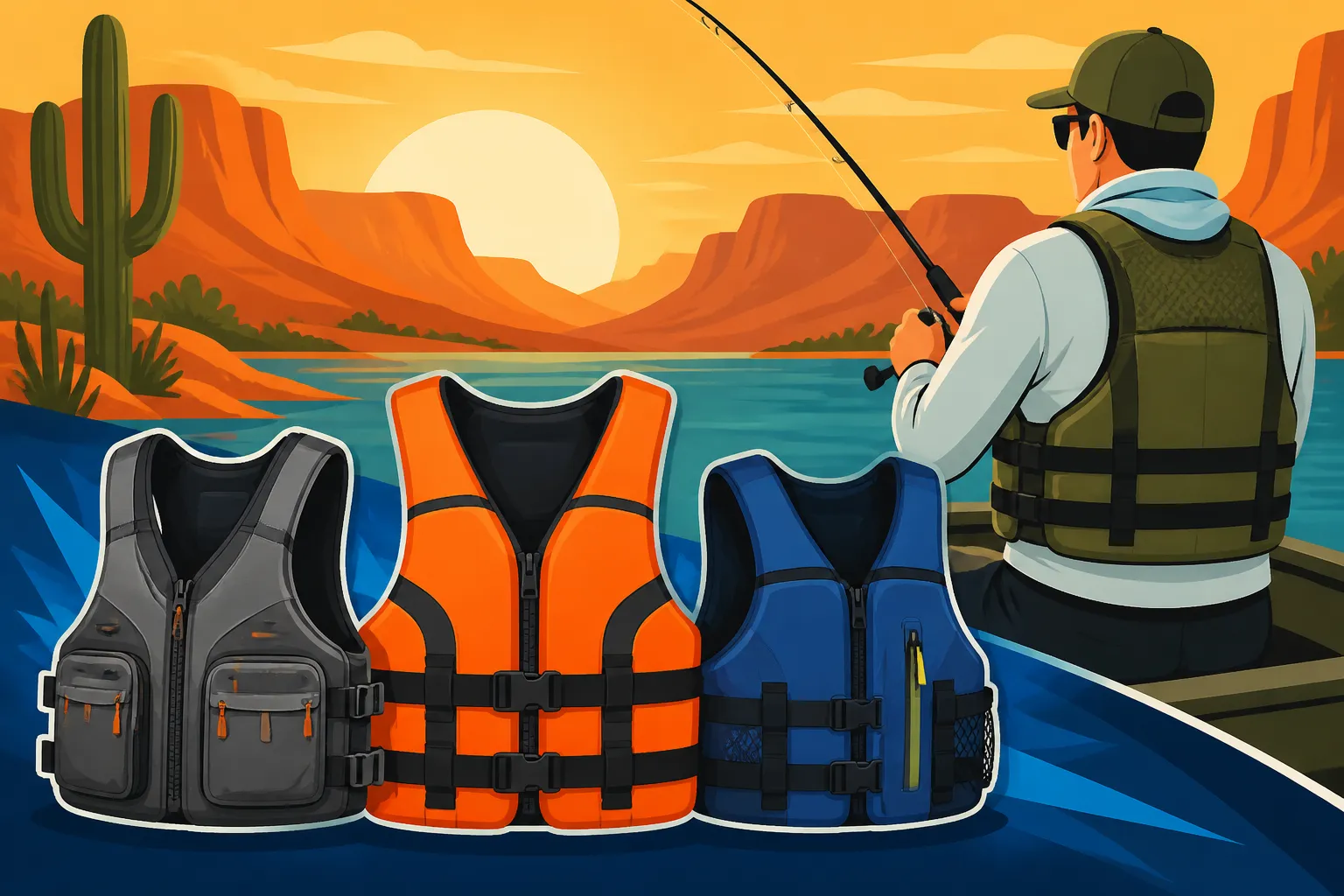
For many serious anglers, inflatable life jackets are the holy grail of comfort and mobility. They are typically much less bulky than traditional foam vests, offering a full range of motion for casting, retrieving, and handling fish. They work by having a CO2 cylinder that, when activated, inflates an air bladder.
There are two main types:
- Automatic Inflatables: These deploy automatically when submerged in water. This is a fantastic safety feature, especially if you fall in unexpectedly and are knocked unconscious. You don't have to do anything for it to inflate.
- Manual Inflatables: These require you to pull a cord to inflate the PFD. While slightly less convenient in a surprise fall, they offer the advantage of not accidentally deploying if you get splashed or caught in light rain. They also give you more control, which can be preferred by anglers who might be wading or in situations where an automatic inflation might be a nuisance but not a danger.
The main draw of inflatables is their minimal profile. You often forget you're even wearing one, which is huge for hot Arizona summers or long days of repetitive casting. However, they do require more maintenance (checking the CO2 cartridge and inflation mechanism), and they are generally more expensive. They also don't provide inherent flotation until activated, which is a consideration if you're not a strong swimmer or if you prefer constant buoyancy. You can find a vast selection of both manual and automatic inflatables on Amazon, often with detailed user reviews that can help you gauge real-world comfort and reliability.
Vest-Style Life Jackets: Durability and Storage Powerhouses
The traditional vest-style PFD, filled with foam flotation, is probably what most people picture when they think of a life jacket. While they are bulkier than inflatables, they offer some distinct advantages for anglers. They provide constant, reliable buoyancy – no CO2 cartridges to check or accidental deployments to worry about. This "always on" flotation can be incredibly reassuring, especially for less confident swimmers or when fishing in strong currents.
Many fishing-specific vest-style PFDs are designed with an abundance of pockets, D-rings, and attachment points for tools. This turns them into wearable tackle boxes, keeping essential gear like pliers, line cutters, and extra lures right at your fingertips. This level of integrated storage is often unmatched by inflatable options. Think about fishing a busy lake where you want quick access to your gear without digging through a bag. These vests are also generally more durable and less prone to punctures than inflatables, making them a great choice for rougher use or for anglers who might be scrambling over rocks. Boating Safety Gear Requirements in Arizona often mentions these traditional vest types as meeting the carriage requirements.
Hybrid and Specialized Designs: Balancing Act
Beyond the two main categories, the market offers a variety of hybrid and specialized PFDs tailored for niche activities.
- Hybrid PFDs: These combine aspects of both foam and inflatable designs. They offer a lower level of inherent foam flotation, meaning they'll keep you somewhat buoyant even without inflation, but they also have a CO2 cylinder for additional, greater buoyancy when needed. This can be a good middle ground for those who want some constant flotation but desire more mobility than a full foam vest.
- Paddling Vests: If you're a kayak or paddleboard angler, you'll find PFDs specifically designed for paddling. These typically have higher back panels (to clear the seat of your kayak) and larger armholes for unrestricted paddling motion. They often have fewer but strategically placed pockets that are easy to access while seated.
- Wading Vests: For fly fishers or anglers who spend a lot of time wading in streams, you might find options that are more akin to a traditional fishing vest but with integrated flotation. These prioritize easy access to flies, tools, and tackle while providing safety in swift currents.
- Belt Pack Inflatables: These are compact inflatable PFDs worn around the waist like a fanny pack. They are incredibly minimalist and only inflate when pulled over your head and manually activated. They offer maximum freedom of movement but require conscious action to deploy, and might not be suitable if there's any chance of being knocked unconscious.
Understanding these different types will help you narrow down your choices when you're browsing the aisles at Bass Pro Shops or scrolling through options on Amazon.
Key Features That Make an Angler's Life Jacket Shine
Once you've decided on the general type of life jacket, it's time to dive into the specific features that truly differentiate a good angler's PFD from a generic one. These are the details that will enhance your fishing experience, making your safety gear work for you, not against you.
Storage and Accessibility: Every Pocket Counts
For an angler, a life jacket isn't just about safety; it's often an extension of their tackle system. Look for a PFD that offers smart storage solutions.
- Number and Size of Pockets: Do you need just a couple of small pockets for a few lures and a leader, or do you carry a multitude of items? Larger pockets with secure closures (zippers, Velcro flaps) are essential for holding bulkier items like sunscreen, a small tackle box, or a sandwich.
- Pocket Placement: Are the pockets easily accessible while you're casting, sitting in a boat, or wading? Chest pockets are usually ideal. Some vests even feature unique "drop-down" pockets that provide a small, stable work surface.
- D-rings and Attachment Points: These are incredibly useful for clipping on essential tools like zingers for nippers, magnetic net releases, or a small measuring tape. The more D-rings and attachment loops, the more customizable your setup can be. Some PFDs even come with integrated tool retractors or holsters for pliers, ensuring your most-used items are always within reach without fumbling.
Imagine trying to quickly switch lures when a school of stripers boils, and your preferred crankbait is buried deep in your backpack. A well-designed PFD keeps it right there, ready to go.
Material Matters: Durability, Breathability, and Quick-Drying
The materials used in a life jacket directly impact its comfort, durability, and how well it performs in Arizona's climate.
- Durability: Most PFDs are constructed from rugged nylon or polyester fabrics. Look for reinforced stitching and heavy-duty zippers, especially if you expect to put your jacket through a lot of wear and tear, like bushwhacking to a secluded fishing spot or frequently rubbing against boat edges.
- Breathability: In Arizona's intense heat, breathability is paramount. Open mesh panels, particularly on the back or under the arms, help to dissipate heat and prevent you from overheating. Lighter-colored fabrics can also reflect more sunlight than dark ones, keeping you cooler. Neoprene vests, while offering excellent insulation in cold water, can be stifling in the summer. For most Arizona fishing, breathable nylon is often the better choice.
- Quick-Drying: Even if you don't fall in, your life jacket will likely get wet from splashes, sweat, or rain. Quick-drying materials prevent mildew buildup and ensure your PFD is comfortable to put on the next day. This is particularly important for multi-day fishing trips.
Adjustability and Freedom of Movement
A life jacket that restricts your movement is one you won't want to wear, no matter how safe it is.
- Multiple Adjustment Points: Look for PFDs with adjustable straps at the shoulders, sides, and waist. These allow you to customize the fit, ensuring it's snug enough to stay on in the water but loose enough for comfortable movement. A common mistake is a life jacket that rides up, especially in the water; proper adjustment prevents this.
- Minimal Bulk: This is where inflatable PFDs truly excel, offering the least amount of bulk. However, even foam vests vary. Some are designed with segmented foam panels that conform better to your body, or with thinner foam in key areas like the back and shoulders to minimize interference with casting or sitting in a Best Kayaks for Fishing in Arizona.
- Ergonomic Design: Consider how the armholes are cut. Large, unrestricted armholes are crucial for full range of motion during casting. A PFD designed with an angler's movements in mind will feel less like a constraint and more like part of your gear. Trying on different styles, perhaps at a local Bass Pro Shops, can give you a real feel for how they impact your casting motion.
Finding Your Perfect Fit: Comfort is King on the Water
Even the most technologically advanced life jacket won't do you any good if it's sitting in the bottom of your boat or strapped to your kayak because it's uncomfortable. Comfort is absolutely paramount, especially when you're spending hours on the water under the Arizona sun. A good fit means you'll forget you're even wearing it, allowing you to focus completely on your fishing.
Sizing Up: Why Accurate Measurement is Crucial
Life jackets are not like regular clothing; they're sized by chest circumference and sometimes by weight range. Guessing your size is a recipe for discomfort or, worse, an unsafe fit.
- Measure Your Chest: Use a flexible tape measure and wrap it around the fullest part of your chest, typically just under your armpits.
- Check the Manufacturer's Chart: Every PFD manufacturer will have a sizing chart. Compare your chest measurement to their recommendations. Don't assume your t-shirt size translates directly to PFD size.
- Consider Your Weight: While chest size is the primary factor for adults, some PFDs, particularly those designed for children or specific activities, also have a weight range. Make sure you fall within that range for optimal flotation.
- Try It On (If Possible): This is the single best way to ensure a good fit. If buying online, like from Amazon, make sure to check their return policy in case the fit isn't quite right.
A properly fitted life jacket should feel snug but not restrictive. There should be no excessive slack, especially around the shoulders or under the arms. When you lift your arms, the PFD shouldn't ride up to your chin. For children, the fit is even more critical; a PFD that's too big can slip right off them in the water. This is why PFD Requirements for Kids in Arizona are so strict.
Prioritizing Comfort for Long Days of Fishing
Once the size is right, consider the nuances of comfort that will make a difference over a full day of fishing:
- Avoid Chafing and Pressure Points: Pay attention to seams, zippers, and strap buckles. Are they positioned where they might rub against your skin or create uncomfortable pressure, especially when casting or sitting? Some PFDs have padded shoulder straps or softer internal linings to prevent this.
- Movement Restriction: Put the PFD on and mimic your fishing movements. Can you cast freely? Can you reach for your tackle? Can you sit comfortably in your boat or kayak without the jacket riding up or bunching? Inflatables often excel here due to their low profile.
- Ventilation and Heat Management: As mentioned earlier, Arizona's heat demands good ventilation. Mesh panels, strategic cutouts, and lightweight, breathable fabrics will make a huge difference in your comfort levels, preventing sweat buildup and overheating.
Gender and Body-Specific Designs
The angling world has thankfully moved beyond a one-size-fits-all approach to PFDs.
- Women's Specific Designs: Many brands now offer life jackets designed with a woman's body in mind. These often feature contoured chest panels to accommodate breasts, narrower shoulder straps, and different adjustment points to provide a more comfortable and secure fit without sacrificing mobility.
- Larger and Smaller Sizes: For anglers who are particularly tall, broad, or petite, finding a general-purpose PFD can be a challenge. Look for brands that offer extended sizing ranges (e.g., 3XL, small/medium), ensuring everyone can find a safe and comfortable option. Don't settle for a PFD that's "good enough" in terms of fit, as it compromises both safety and enjoyment.
When you're comfortable, you're more likely to wear your PFD consistently, and that's the ultimate goal.
Keeping Your PFD Ready: Maintenance for Peak Performance
A life jacket is an investment in your safety, and like any important piece of gear, it needs proper care to ensure it performs when you need it most. Neglecting your PFD can lead to reduced effectiveness, shorter lifespan, and even dangerous malfunctions. A little maintenance goes a long way in keeping your life jacket in top-notch condition for years of Arizona fishing adventures.
Regular Cleaning and Inspection Routines
Your life jacket takes a beating from sun, sweat, fish slime, and the elements. A routine of cleaning and inspection is essential:
- After Each Trip (or regularly): Give your PFD a quick rinse with fresh water, especially if you've been fishing in saltwater or brackish water like parts of the Colorado River. This helps remove salt, dirt, and fish residue.
- Mild Soap and Air Dry: For a more thorough cleaning, use a mild soap (like dish soap) and a soft brush to scrub away grime. Always air dry your PFD completely out of direct sunlight. Hanging it in a well-ventilated area is ideal. Never use harsh chemicals or put it in a washing machine or dryer, as this can damage the flotation material and outer fabric.
- Inspect for Damage: Before each trip, or at least monthly during active fishing seasons, thoroughly inspect your PFD. Check for:
- Rips, tears, or punctures: Even small holes can compromise flotation or lead to further damage.
- Frayed straps or loose stitching: These indicate weak points that could fail.
- Corroded zippers or buckles: Ensure all closures work smoothly and securely. A stuck zipper or a broken buckle makes the PFD ineffective.
- Fading or stiff material: Excessive UV exposure can degrade the fabric and foam. If the material feels brittle or severely faded, it might be time for a replacement.
- Inflatable PFD Specifics: For inflatable models, regularly check the CO2 cartridge to ensure it's not corroded and that the "armed" indicator is green (or whatever color your model uses to show it's ready). Test the oral inflation tube to ensure it functions.
Proper Storage for Extended Lifespan
How you store your PFD when not in use significantly impacts its longevity:
- Cool, Dry Place: Store your life jacket in a cool, dry, well-ventilated area, away from direct sunlight, extreme heat, or freezing temperatures. A garage or shed is usually fine, but avoid leaving it baked in a hot car trunk for extended periods.
- Avoid Compression: Don't stack heavy items on top of your PFD or compress it tightly for long durations. This can damage the foam cells in traditional vests, reducing their buoyancy over time. Hang it up or lay it flat if possible.
- Keep Away from Chemicals: Store PFDs away from fuel, solvents, and other harsh chemicals, as these can degrade the materials.
Re-arming Inflatable Life Jackets
If you've had to inflate your inflatable PFD, or if you've performed a test inflation, you'll need to "re-arm" it before its next use.
- Replacement Kits: Each inflatable PFD requires a specific re-arming kit, which includes a new CO2 cartridge and often a new bobbin (for automatic models). Make sure to purchase the correct kit for your specific model and brand. These are readily available at Bass Pro Shops and on Amazon.
- Follow Manufacturer Instructions: The re-arming process is straightforward but must be done correctly. Always follow the detailed instructions provided with your PFD and the re-arming kit. This usually involves deflating the bladder, inspecting it for leaks, folding it correctly, inserting the new bobbin (if applicable), and screwing in the new CO2 cartridge.
- Crucial for Safety: Never assume an inflatable PFD is ready to go if it's been deployed or if you haven't checked the indicator. A PFD without a properly armed cartridge is no better than a regular vest.
By following these maintenance tips, your life jacket will be a reliable piece of safety gear, ready to protect you on countless Arizona fishing excursions.
Navigating Arizona's Life Jacket Regulations
Understanding the rules around life jackets in Arizona is just as important as choosing the right one. The Arizona Game and Fish Department (AZGFD) and federal regulations (enforced by the Coast Guard) dictate who needs to wear a PFD, what type is required, and how they should be carried. Ignoring these rules can lead to fines and, more importantly, put your safety and the safety of your companions at risk.
Mandatory Wear and Carriage Rules
Arizona's regulations, mirroring federal guidelines, specify when and by whom life jackets must be worn, and when they simply need to be present on a vessel.
- Children: This is the most crucial rule. All children 12 years of age and under must wear a USCG-approved life jacket whenever they are on board any vessel (including kayaks, canoes, and paddleboards) that is underway. This applies regardless of the vessel's size or the water's conditions. This ensures that our youngest anglers are always protected. Do Kids Need a Life Jacket in Arizona Boats? goes into more detail.
- Vessels Underway: For adults and children over 12, it is not always mandatory to wear a life jacket on larger boats. However, there must be a readily accessible, USCG-approved PFD for every person on board. "Readily accessible" means it should be easy to grab quickly in an emergency, not stowed away in a locked compartment.
- Specific Vessel Types: Anyone on a personal watercraft (PWC) or being towed behind a boat (like water-skiers or wakeboarders) must wear a USCG-approved PFD.
- Kayaks, Canoes, and Paddleboards: While adults are not always required to wear a PFD on these smaller vessels, it is highly recommended, especially on large, open waters or in cold conditions. You must, at minimum, have a USCG-approved PFD on board for each person. Given how easy it is to flip a kayak or paddleboard, wearing it is truly the safest option. Kayak Registration Rules in Arizona discusses related boating requirements for these vessels.
- Cold Water Seasons: While not explicitly mandated by law in Arizona, wearing a PFD in cold water conditions (generally below 70°F for water temperature) is a critical best practice. Cold water shock can quickly incapacitate even strong swimmers.
Type Classifications and What They Mean for You
The USCG categorizes PFDs into different types based on their design and the amount of buoyancy they provide. Knowing these types helps ensure you have the right PFD for your activity:
| PFD Type | Description | Buoyancy (lbs) | Best Use Cases |
|---|---|---|---|
| Type I | Offshore Life Jackets: Designed for rough, open water where rescue may be delayed. | 22.0 (Adult) | Offshore fishing, open ocean cruising. Turns most unconscious wearers face-up. Bulkiest but offers maximum flotation and visibility. |
| Type II | Near-Shore Buoyant Vests: Good for calm inland water where quick rescue is likely. | 15.5 (Adult) | Inland water fishing, recreational boating. May turn some unconscious wearers face-up, but not guaranteed. Less bulky than Type I. |
| Type III | Flotation Aids: Designed for continuous wear, offering comfort and mobility. | 15.5 (Adult) | General recreational activities, watersports, fishing, kayaking. Wearer must consciously put themselves in a face-up position. Most popular type for anglers due to comfort and features. |
| Type IV | Throwable Devices: Not worn, designed to be thrown to a person in the water. | 16.5 (Ring Buoy) | Required on all boats 16 feet or longer (except canoes and kayaks). Examples include ring buoys and boat cushions. Supplements wearable PFDs; never a substitute for wearing a PFD, especially for children. |
| Type V | Special Use Devices: Designed for specific activities (e.g., work vests, hybrids). | Varies | Must be approved for the activity and worn to be counted as a legal PFD. Examples include inflatable PFDs (manual or automatic), deck suits, and certain whitewater vests. If a Type V is an inflatable PFD, it often must be worn to count as "readily accessible." Always check the label for specific conditions and approval for your activity. |
Most fishing-specific PFDs fall into Type III (vests) or Type V (inflatables, hybrids). Always check the label to ensure it is USCG-approved for the activity you intend to use it for.
Local Considerations and Best Practices
While state and federal laws set the minimum standards, smart anglers in Arizona often go beyond them.
- Community Fishing Program Lakes: Even on small urban lakes, maintaining good boating safety practices, including PFD usage, is crucial, especially when fishing with children.
- Remote Waters: If you're fishing in a remote area like the Grand Canyon section of the Colorado River or a secluded White Mountains lake, where help might be hours away, consider wearing a Type I or a higher-buoyancy Type V PFD. Visibility and maximum flotation are key in these scenarios.
- Cold Weather Fishing: When fishing in winter or early spring, particularly in northern Arizona, water temperatures can be dangerously low. Wearing a PFD can protect against cold water shock and hypothermia, even if you’re fishing from the bank.
- Review Local Regulations: Always double-check with the AZGFD website or local park regulations, as specific bodies of water might have additional requirements or recommendations. For general boating knowledge, consider taking a Boating Safety Course Requirements in Arizona.
By understanding these regulations and adopting best practices, you ensure not only compliance with the law but, more importantly, a much safer and more enjoyable fishing experience on Arizona's beautiful waters.
Disclaimer
This article is for general informational purposes only and does not constitute professional advice. Laws, prices and regulations vary by location and change over time. Consult a qualified professional for guidance on your specific situation.