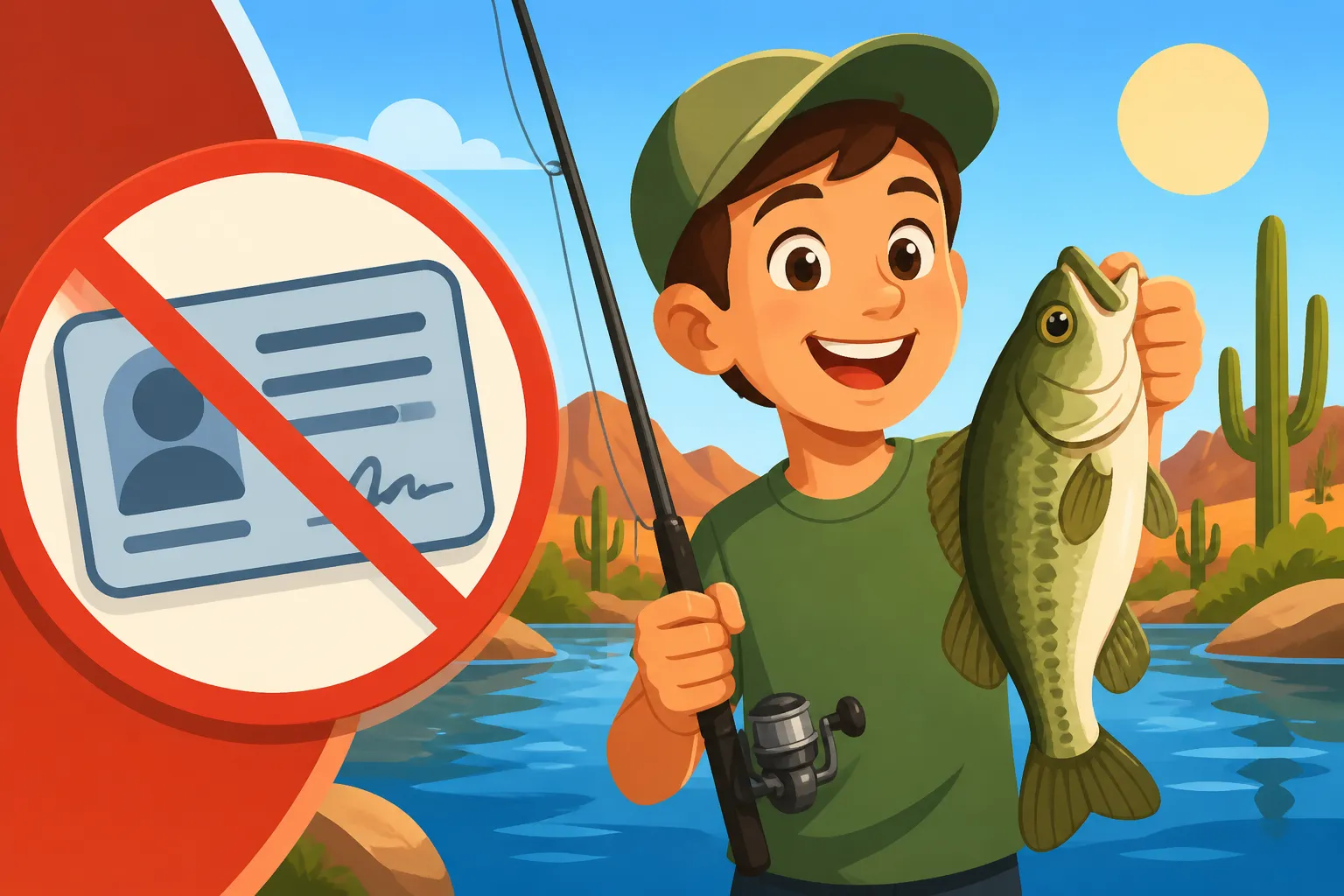
Can a 10-Year-Old Fish Without a License in Arizona?
It's incredibly common for parents and guardians to scratch their heads when it comes to figuring out fishing license requirements for their kids, especially when planning that eagerly anticipated first family fishing trip. You want to do everything by the book, but the thought of navigating complex regulations just to see a child cast a line can feel overwhelming. This comprehensive guide is here to untangle the specifics of Arizona's fishing license rules, particularly for 10-year-olds, ensuring you understand exactly when a license is needed and how to prepare for a fun, legal, and memorable day on the water.
Understanding Arizona's Youth Fishing License Rules
Arizona, like many states, aims to encourage young people to get outdoors and enjoy fishing without immediately imposing all the adult-level regulations. However, there's a specific age where the rules shift, and knowing that cutoff is key to staying compliant and avoiding any unexpected issues.
The Specific Age Cut-Off
The Arizona Game and Fish Department (AZGFD) has made it pretty clear: any resident or non-resident angler who is under 10 years of age is exempt from needing an Arizona fishing license. This means if you have a child who is 9 years old or younger, they can cast, reel, and fish to their heart's content without you needing to purchase a separate license for them. The moment a child turns 10, however, they are required to have a valid Arizona fishing license to participate in fishing activities. This transition is important to remember because that 10th birthday marks the official entry into licensed angling.
This age exemption is a fantastic way to introduce youngsters to the joys of fishing. It removes a potential barrier for families who might be hesitant to invest in a license for a child who's still testing the waters, literally. You can spend those formative years focusing on teaching them how to cast, identify fish, and appreciate nature, rather than worrying about paperwork. It's truly a thoughtful approach by the state to foster a love for the sport in the next generation of anglers.
Why These Rules Exist
The Arizona Game and Fish Department crafts these rules with several goals in mind. Firstly, simplifying the entry point for youth fishing actively encourages participation. By removing the financial and administrative hurdle of a license for young children, they make it easier for families to try fishing as a recreational activity. This approach is vital for cultivating future conservationists and anglers who will eventually contribute to funding wildlife management through their own license purchases.
Secondly, the age limit helps manage the overall fishing pressure while still allowing for a broad base of participation. Ten years old is often considered an age when a child has developed enough coordination and understanding to truly engage in fishing as a sport, rather than just an occasional novelty. It’s also an age where they might start to understand the concepts of limits, seasons, and ethical angling practices, which are all part of responsible fishing that licenses help to enforce. These regulations are a delicate balance between promoting outdoor recreation and ensuring the sustainability of Arizona's diverse fisheries.
What Qualifies as "Fishing" for Kids
When we talk about a 10-year-old needing a license (or being exempt before that age), it's important to understand what "fishing" really entails in the eyes of the law. Generally, if a child is actively participating in the act of trying to catch fish – holding a rod, casting, reeling in, or tending a line – they are considered to be fishing. This is true whether they're using bait, lures, or even just a simple bobber and hook.
However, there can be some nuances. If a child under 10 is merely assisting an adult, perhaps helping to bait a hook, net a fish caught by a licensed adult, or carry gear, they are typically not considered to be "fishing" themselves and wouldn't need a license. The key distinction is direct, active engagement with the catching process. For example, if your 8-year-old is holding their own rod and actively trying to catch fish, they're fishing, but they're exempt. If your 10-year-old is doing the same, they do need a license. It's always safest to ensure clarity, especially if your child is right on the cusp of the age requirement.
Preparing for a Family Fishing Trip with Young Anglers
Taking kids fishing is one of life's great pleasures, offering a chance to bond, teach patience, and create lasting memories. When planning your trip, especially with those under 10, think about making it accessible and enjoyable for them, regardless of license requirements.
Essential Gear for Kids License Not Required
Even though a child under 10 doesn't need an Arizona fishing license, they still need appropriate gear to make their experience comfortable and successful. Start with a simple, easy-to-use rod and reel combo. Spincast reels, often called "push-button" reels, are ideal for beginners because they're straightforward to operate and minimize tangles. Look for lightweight rods, perhaps 4 to 5 feet long, that are proportional to their size and strength. Brands like Ugly Stik offer durable options perfect for young hands.
Beyond the rod and reel, a small tackle box filled with basic essentials is great. Think about a few simple bobbers, some smaller hooks (size 8 or 10 are often good for panfish), split shot weights, and a selection of easy baits like worms, PowerBait, or corn. Don't forget a pair of child-friendly pliers, a small towel, and a comfortable chair or blanket for them to sit on. Sun protection is paramount in Arizona, so a wide-brimmed hat, sunscreen, and polarized sunglasses (you can find affordable options on Amazon) are non-negotiable. Keeping them hydrated with plenty of water is also crucial, especially during Arizona's warmer months.
Teaching Responsible Angling Early
Starting good habits young is crucial, long before they ever need an actual license. Even if your child is under the age requirement for a license, you can begin teaching them the core principles of responsible angling. This includes understanding and respecting bag and possession limits, even if they're not legally bound by them yet. Explain why we only keep what we plan to eat, and how to safely release fish that are too small, out of season, or simply not desired. You can find detailed information on statewide trout bag limit in Arizona or bass size limit at Lake Pleasant which can be a great teaching moment.
Beyond regulations, teach them about respecting the environment. Show them how to properly dispose of trash, pick up any errant fishing line, and avoid disturbing wildlife. Instill patience by explaining that fishing isn't always about catching, but about enjoying the process and being in nature. These lessons are far more valuable than any fish they might catch and lay the groundwork for a lifetime of ethical outdoor enjoyment. Discussing the importance of fishing regulations explained also helps them understand the bigger picture of conservation.
Supervision Requirements
While a child under 10 doesn't need their own license, this doesn't mean they can simply be dropped off at the lake. Responsible adult supervision is absolutely essential for their safety and to ensure they're following proper angling etiquette. The adult supervising them should, of course, hold a valid Arizona fishing license if they are also actively fishing or assisting the child in a way that constitutes "fishing" themselves (e.g., casting for the child, reeling in a fish the child hooked).
Moreover, the adult is ultimately responsible for ensuring the child's actions comply with all other Arizona fishing regulations, such as legal fishing methods, bag limits, and slot sizes. Even if a child is exempt from a license, they are not exempt from rules like rod limit per angler in Arizona or live bait rules for Arizona lakes. It’s a great opportunity for an adult to model responsible behavior and guide the child through the entire fishing experience, from rigging up to safely handling a fish. The focus should always be on safety, fun, and fostering a love for the outdoors.
When Your Child Does Need an Arizona Fishing License
The 10th birthday is a milestone for many reasons, and in Arizona, it officially marks the entry into the world of licensed fishing. Understanding this transition and what comes next is important for continued enjoyment of the sport.
Transitioning to Licensed Fishing
Once your child turns 10 years old, the exemption for fishing without a license in Arizona officially ends. On their tenth birthday, they are required to possess a valid Arizona fishing license to continue fishing legally. This isn't just a minor technicality; fishing without a required license can result in fines and penalties for both the child (though often handled with a warning for minors) and, more likely, the supervising adult. It's a good idea to mark their birthday on your calendar as a reminder to purchase their first license.
This transition is an excellent opportunity to involve them in the process of becoming a licensed angler. Let them participate in choosing their license type and understanding what it means to be a license holder. It's a rite of passage for many young fishermen and fisherwomen, signifying a new level of responsibility and commitment to the sport. Explain that their license fee directly contributes to fish stocking programs, habitat improvements, and the overall management of Arizona's precious waterways, connecting their individual action to broader conservation efforts.
Types of Licenses for Youth 10 and Up
For children aged 10 and older, the types of Arizona fishing licenses available are generally the same as those for adults, with one key distinction: the youth license price point. If your child is an Arizona resident, they'll need an Arizona Resident Fishing License. If you're visiting from out of state, an Arizona Nonresident Fishing License would be required. The Arizona Game and Fish Department offers annual licenses, which are often the most cost-effective for regular anglers, but also shorter-term options like a 1-day or 5-day license if you're only planning a brief trip.
For those who enjoy both hunting and fishing, there's also the option of an Arizona Combo Hunt and Fish License, which can be a great value. It’s always a good idea to compare Arizona fishing license costs to find the best fit for your family's needs. Remember that some special activities, like fishing for trout in designated waters, might also require an additional trout stamp, which would need to be added to their base license. You can typically add these endorsements during the initial purchase.
How to Purchase a Youth Fishing License
Purchasing an Arizona fishing license for your 10-year-old is a straightforward process, just like buying one for yourself. The most convenient way for many is to buy an Arizona fishing license online directly through the Arizona Game and Fish Department's website. This allows you to purchase and print the license from the comfort of your home, or save it digitally to your phone, ensuring you're ready to go on your fishing day. Make sure you keep the digital or physical copy accessible while fishing, as game wardens can and do check.
Alternatively, you can visit one of the many authorized license dealers located throughout Arizona. These can include sporting goods stores like Bass Pro Shops or Cabela's, some Walmart locations, and various local bait and tackle shops. Finding Arizona fishing license dealers near you is usually quite easy with a quick online search or by checking the AZGFD website. Purchasing in person can be a great experience for a first-time license holder, as they can pick out some new gear while they're there. Just remember to have your child's date of birth handy, as it will be required to issue the license.
| Age of Angler | Arizona Fishing License Required | General Rule |
|---|---|---|
| Under 10 | No | Exempt |
| 10-17 | Yes (Youth License) | Required |
| 18+ | Yes (Adult License) | Required |
Common Misconceptions and Special Scenarios
Fishing regulations can sometimes feel like a maze, especially with special events or unique locations. Let's clear up some common areas of confusion regarding youth fishing licenses in Arizona.
Free Fishing Days and Community Programs
Arizona does offer "Free Fishing Days" throughout the year, typically one in the spring and one in the fall. These are fantastic opportunities for anyone to fish without needing a license, regardless of age. So, on Arizona Free Fishing Day rules, a 10-year-old would not need a license, making it a perfect time for them to try out the sport before committing to an annual license. However, it's critical to remember that while the license requirement is waived, all other fishing regulations still apply. This means bag limits, size restrictions, and legal methods of take remain in effect.
The Arizona Community Fishing Program also provides great opportunities for families, stocking urban lakes and ponds with various species. While these lakes are designed to be accessible and family-friendly, the general license requirements still apply. A child under 10 would be exempt, but a 10-year-old would still need their fishing license to participate in these popular urban fishing spots. It's easy to get confused, thinking community lakes might have different rules, but the age cutoff remains consistent. Always check the specific Arizona Community Fishing Program Rules for any unique local regulations before you go.
Fishing on Tribal Lands
One area where fishing regulations can differ significantly is on tribal lands within Arizona. The Arizona Game and Fish Department's license (whether adult or youth) is not typically valid on Native American tribal lands. If you plan on fishing at popular spots like San Carlos Lake (Apache Reservation) or on the Navajo Nation, you will almost certainly need to purchase a separate, specific tribal fishing permit directly from that nation.
These tribal permits are in addition to any state license you might hold, and they often have their own unique set of regulations regarding species, limits, and fishing methods. This applies to all ages, so even if your child is under 10 and exempt from a state license, they would likely still need a tribal permit to fish on those lands. Always research and confirm the specific requirements for any tribal land you intend to visit well in advance of your trip to avoid any issues. For example, if you're heading to San Carlos Lake, you'll need to know the tribal fishing permit cost for San Carlos Lake and where to buy a San Carlos Apache fishing permit.
Catch and Release vs. Keeping Fish
A common question that arises, especially with children, is whether the intention to release a fish changes the license requirement. The simple answer in Arizona is no. Whether you plan to keep every legal fish you catch or practice strict catch-and-release, the requirement for a fishing license remains the same for those aged 10 and older. The act of "attempting to take" or "taking" fish, regardless of subsequent release, is what triggers the need for a license.
This is an important distinction, as some new anglers might mistakenly believe that if they're not keeping fish, they don't need a license. However, the conservation efforts funded by license sales benefit all anglers, whether they release their catch or take it home for dinner. So, if your 10-year-old is actively engaged in fishing, even if they're just practicing catch and release, they'll need their Arizona fishing license. This rule ensures that everyone who enjoys the sport contributes to the health and sustainability of Arizona's fisheries.
Disclaimer
Please remember that fishing regulations can change. While this guide provides comprehensive and up-to-date information, it is always your responsibility to consult the latest official Arizona Game and Fish Department regulations or contact the department directly before you head out. This content is for informational purposes only and should not be considered legal advice.