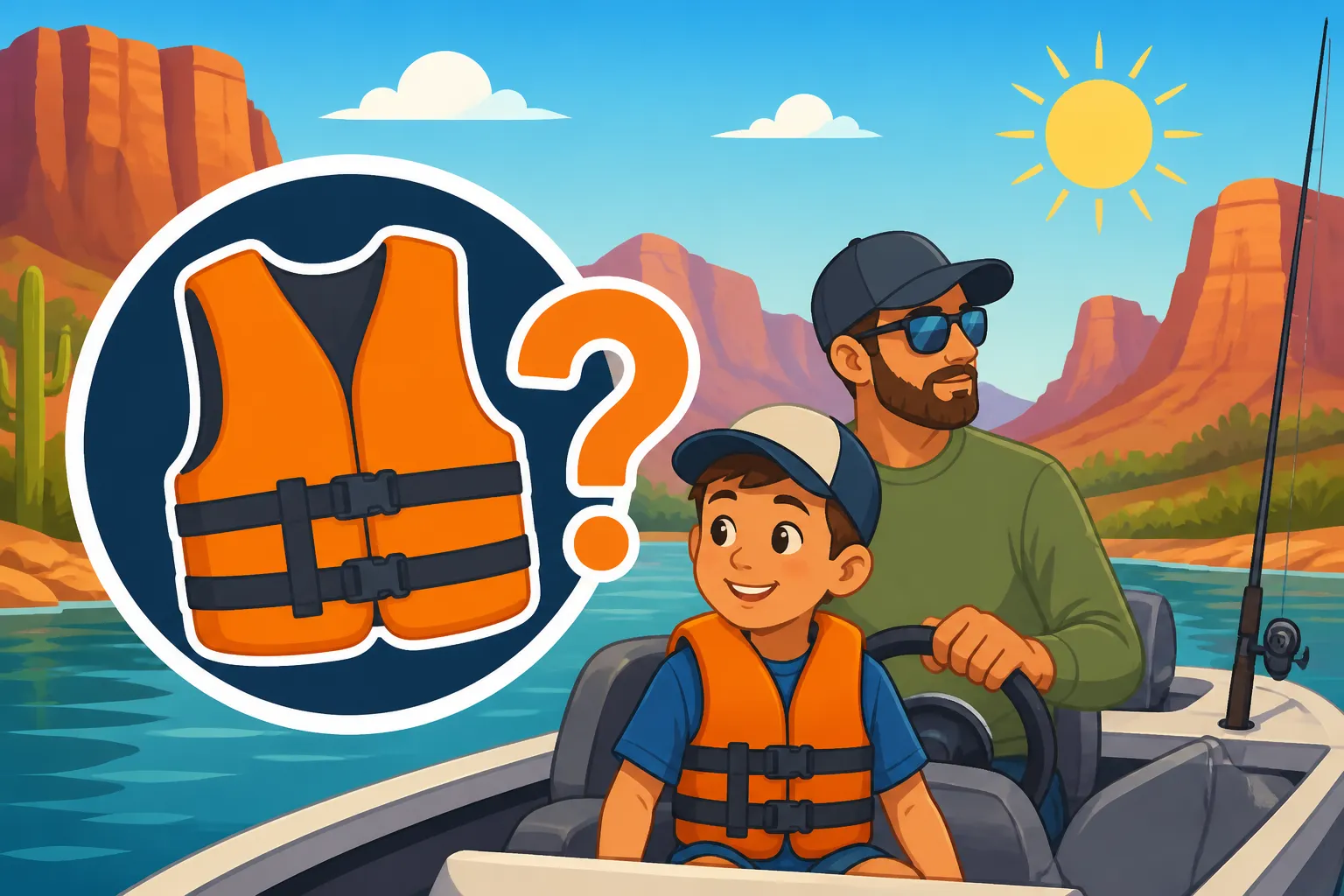
Do Kids Need a Life Jacket in Arizona Boats?
It’s a beautiful day, the Arizona sun is shining, and you’re ready to hit the lake with your family. The boat is gassed up, the cooler is packed, and the fishing rods are ready. But as you’re gathering everyone, a question pops into your head that can cause a moment of real panic: "Do the kids really need to wear a life jacket, or just have one on board?" It's a common confusion, and frankly, navigating boating regulations can feel like deciphering ancient hieroglyphs sometimes. This guide is here to clear up exactly what Arizona's laws say about children and life jackets on boats, why these rules exist, and how to choose the best personal flotation device to keep your little ones safe and sound on the water.
The Core Rule: Who Needs a Life Jacket and When
Navigating the waters of Arizona means understanding not just how to catch a fish, but also how to keep everyone on board safe. When it comes to children, the rules around life jackets aren't just suggestions; they're vital legal requirements designed to protect the most vulnerable members of your crew. It’s a common misconception that simply having enough life jackets on board is sufficient, but for kids, the law often demands more.
Age-Specific Requirements for Children
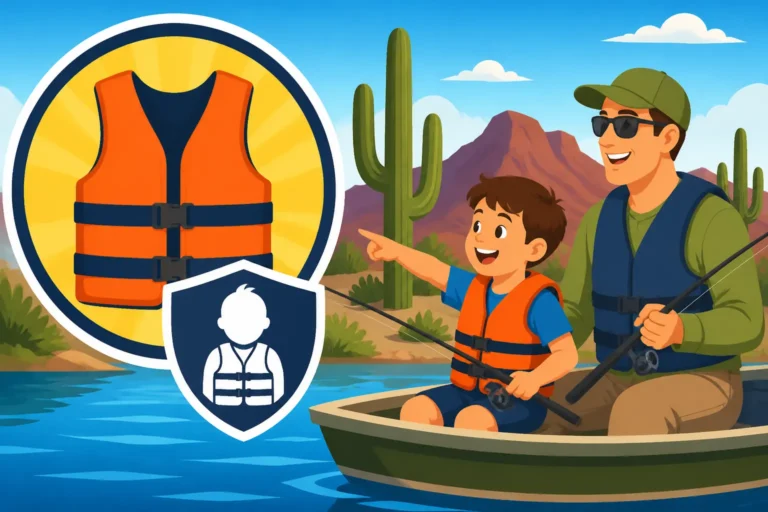
Arizona has a clear, no-nonsense rule regarding young passengers: any child 12 years of age or younger must wear a U.S. Coast Guard-approved life jacket whenever they are on board any vessel. This isn't just for motorized boats, mind you. This applies to all vessels, from your speedy bass boat cutting across Lake Pleasant to a leisurely canoe paddle on the Salt River, and even kayaks on smaller ponds. The only exception is when the child is inside a fully enclosed cabin, a space that is designed to prevent them from accidentally falling overboard. This rule is in place because, let's be honest, kids are unpredictable. They can slip, trip, or simply lean too far over the side in a moment of excitement. A life jacket isn't just a piece of safety gear; it's a constant, active safeguard against the unexpected.
Think about it this way: a child might be a strong swimmer in a pool, but cold lake water, a sudden splash, or unexpected boat movement can quickly overwhelm even the most capable young swimmer. The life jacket provides that immediate buoyancy, keeping their head above water and giving you crucial seconds or minutes to react. It alleviates that constant, low-level anxiety many parents feel about their kids being near open water. Knowing your child is properly outfitted takes a huge weight off your shoulders, allowing you to enjoy the fishing, the scenery, and the family time without constantly worrying about "what if."
When and Where the Rules Apply
The mandate for children 12 and under to wear a life jacket is broad and covers nearly all recreational boating scenarios in Arizona. This means whether you're out fishing for largemouth bass on Roosevelt Lake, cruising the expanse of Lake Powell, or enjoying a quiet morning on a small community lake, if a child 12 or younger is with you, they need to be wearing their PFD. This isn't just when the boat is in motion; it's whenever they are on board the vessel. The logic here is sound: accidents can happen even when a boat is anchored or idling. A child might slip while moving around the deck, or a rogue wave from a passing boat could cause an unexpected jolt.
The only real reprieve from this "wear it" rule, as mentioned, is if your child is securely inside a fully enclosed cabin. This isn't a bimini top or a small cuddy where they can still easily exit or fall out. It means a structure that fully encloses them, much like the passenger compartment of a car. For most recreational fishing boats, especially open-deck designs, this exception rarely applies. So, assume that if your child is 12 or under and on your boat, they should have their life jacket on and properly fastened. This simple act can make all the difference in a quick-moving emergency, ensuring that precious moments aren't lost fumbling for a jacket when every second counts. It's truly a small price to pay for such a significant peace of mind. For more detailed information on general boating safety, check out Boating Safety Course Requirements in Arizona.
Understanding Arizona's Life Jacket Laws
It's one thing to know that kids need life jackets, but understanding the specifics of Arizona's laws can help you navigate the nuances and ensure you're always compliant. These aren't just arbitrary rules; they're part of a larger framework designed to keep everyone safe on our beautiful, often challenging, Arizona waterways.
Key Legal Mandates for Children
The fundamental requirement, as we've discussed, is that children 12 years of age and younger must wear a U.S. Coast Guard-approved life jacket while on board any vessel. This includes boats of all types – powerboats, sailboats, canoes, kayaks, paddleboards, and personal watercraft. The only exception is when the child is in an enclosed cabin, which, to reiterate, means a completely enclosed space where they can't easily fall overboard. This strict mandate underscores the state's commitment to protecting its youngest boaters. It means that simply having a life jacket stowed under a seat for a child isn't enough; it must be on their person and properly secured.
Beyond the specific rules for children, Arizona law also dictates that all vessels must carry at least one U.S. Coast Guard-approved wearable personal flotation device (PFD) for each person on board, regardless of age. Additionally, boats 16 feet or longer (excluding canoes and kayaks) must also carry one throwable PFD (like a ring buoy or cushion) that is immediately accessible. So, while your child 13 or older might not be required to wear their PFD, there must still be one available for them, and for every other passenger. These aren't just for show; they're intended to be used in an emergency, which is why having them readily available and in good condition is critical. For a full breakdown of PFD requirements, you might want to read Life Jacket Requirements for Children in Arizona or even Best Life Jackets for Anglers for recommendations.
Fines and Penalties for Non-Compliance
Breaking boating safety laws, especially those concerning children's life jackets, isn't just a minor oversight; it can carry real consequences. Law enforcement agencies on Arizona's lakes and rivers, such as the Arizona Game and Fish Department (AZGFD) and county sheriff's departments, actively patrol and enforce these regulations. If an officer observes a child 12 or under on your boat without a properly worn, U.S. Coast Guard-approved life jacket, you could face a citation.
The penalties for these violations can vary, but typically involve fines. While the exact amount can change, you should expect it to be significant enough to make you think twice about neglecting the rule. More importantly than the financial hit, a violation can disrupt your day on the water and potentially lead to further inspections of your vessel and safety equipment. This isn't about officers wanting to ruin your fun; it's about ensuring everyone's safety. Imagine the emotional penalty if an accident occurred and your child wasn't wearing a life jacket, knowing you could have prevented it. The law is there to motivate compliance, but the real motivation should always be the well-being of your loved ones. Understanding these rules is also key for things like Boating and Fishing Combo License Requirements, as being a responsible boater goes hand-in-hand with being a responsible angler.
Exceptions and Special Circumstances
While the rule for children 12 and under is quite rigid, it's worth briefly clarifying the aforementioned "enclosed cabin" exception. This isn't a vague term; it's very specific. A canvas top, a small bowrider area with a cover, or even a partially enclosed cuddy cabin typically does not qualify as a "fully enclosed cabin" if a child could still inadvertently fall out. The intent is to provide an area where the child is truly protected from falling overboard. For example, a large cabin cruiser with an interior salon, where children are playing or eating inside the secure, walled area, would be an appropriate scenario for this exception.
Another point of clarity: while children 12 and under must wear a life jacket, individuals 13 and older are only required to have a U.S. Coast Guard-approved life jacket available on board, not necessarily wear it, unless they are being towed on skis, a tube, or a similar device, or are on a personal watercraft (PWC) like a Jet Ski. On a PWC, everyone, regardless of age, must wear a life jacket. It's a lot to remember, but a simple way to think about it is: when in doubt, wear it. Especially for kids. Better safe than sorry is a mantra that truly applies here on the water.
Why These Rules Matter: Beyond the Law
It's easy to view regulations as just burdensome hoops to jump through, but when it comes to life jackets, these rules are fundamentally about saving lives. Arizona's waterways, while beautiful, can be unpredictable, and understanding the deeper purpose behind these laws helps reinforce their importance.
The Critical Importance of Water Safety
Arizona's lakes and rivers offer incredible opportunities for recreation, but they also pose inherent risks. Even on a calm day, unexpected events can turn a pleasant outing into a dangerous situation in mere seconds. A child can slip and fall overboard, a boat could hit a submerged object, or a sudden storm could whip up waves. In these moments, a properly fitting life jacket is not just a piece of gear; it is literally a lifeline. Drowning is silent and can happen incredibly quickly, especially with children. They might not splash or scream; they could simply disappear beneath the surface. A life jacket buys time—time for an adult to notice, react, and retrieve them from the water.
Furthermore, life jackets are designed to keep a person's head above water, even if they are unconscious. This is particularly crucial for young children who may not have the strength or coordination to keep themselves afloat in an emergency, or who might be stunned or injured from an unexpected fall. The rules aren't just about preventing a child from going into the water; they're about ensuring their survival if they do. Investing in quality, U.S. Coast Guard-approved life jackets, and making sure your kids wear them, is one of the simplest and most effective steps you can take to mitigate the serious risks associated with boating. It's an investment in their safety and your peace of mind.
Preventing Tragedies and Ensuring Peace of Mind
No parent ever wants to imagine the worst-case scenario, but responsible boating means being prepared for it. The life jacket rules for children exist precisely to prevent heartbreaking tragedies. Every year, accidents occur on the water, and often, the lack of a properly worn life jacket is a contributing factor to fatalities, especially among children. By adhering to the law, you're not just avoiding a fine; you're actively participating in a culture of safety that values human life above all else.
Beyond the stark reality of preventing drowning, having your child in a life jacket contributes immensely to your overall peace of mind. When you know your child is wearing a PFD, you can relax a little, focus on the fishing, or simply enjoy the moment. You're not constantly scanning, constantly worrying. This allows for a more enjoyable and less stressful experience for everyone on board. It enables families to fully embrace the joy of being on the water together, creating positive memories rather than being consumed by anxiety. Remember, even strong adult swimmers can become disoriented or incapacitated in cold water or strong currents, let alone a child. Ensuring your kids are always wearing their life jackets is the best way to safeguard their lives and your family's treasured moments on Arizona's beautiful lakes and rivers.
Choosing the Right Life Jacket for Your Child
Now that we understand why life jackets are non-negotiable for kids in Arizona, let's talk about the practical side: choosing the right one. This isn't a one-size-fits-all situation, and getting the correct type and fit is just as important as the act of wearing it.
Types of Personal Flotation Devices PFDs for Kids
When you're looking for a life jacket, you'll hear the term "PFD" (Personal Flotation Device) a lot, and you'll notice they come in different "types" based on their design and intended use. For children, you'll primarily be looking at Type II and Type III PFDs, though Type I is also available.
- Type I PFDs (Off-Shore Life Jackets): These are designed for rough, open, or remote waters where rescue may be delayed. They have the highest buoyancy and are designed to turn most unconscious wearers face-up in the water. They're bulky, but offer maximum protection. You'll often see these on commercial vessels, but they're a bit much for most recreational family outings.
- Type II PFDs (Near-Shore Buoyant Vests): These are good for calm, inland waters or where there is a good chance of a quick rescue. They're less bulky than Type I, and while they can turn an unconscious person face-up, they aren't as reliable as Type I. Many children's PFDs fall into this category, especially those designed for infants and toddlers, often featuring a large collar to support the head.
- Type III PFDs (Flotation Aids): These are generally the most comfortable for continuous wear and are suitable for most recreational activities in calm waters where rescue is likely to be prompt. They typically have a sportier design, come in various styles (vests, jackets), and allow for a wider range of motion. They are not designed to turn an unconscious person face-up. For older children who are strong swimmers, these might be appropriate, but always ensure they have enough buoyancy for their weight.
It's absolutely critical that any PFD you choose is U.S. Coast Guard-approved. Look for the approval stamp or label inside the jacket. This certification means it has met rigorous safety standards. When you're browsing, whether it's at a local Bass Pro Shops or online through Amazon, always confirm this approval.
Here’s a quick overview of PFD types and their common uses for children:
| PFD Type | Description & Features | Best Use for Children | Key Consideration |
|---|---|---|---|
| Type I | Highest buoyancy, bulky, designed to turn unconscious wearer face-up. Head support. | Extended outings, rough waters, remote locations. | Maximum safety, but less comfortable for active play. |
| Type II | Good buoyancy, less bulky. Can turn some unconscious wearers face-up. Often has a head-pillow/collar. | Near-shore, calm waters, quick rescue likely. Infants/toddlers. | Good balance of safety and comfort for younger kids. |
| Type III | Good buoyancy, most comfortable for continuous wear, allows range of motion. Not designed to turn unconscious wearer. | Calm inland waters, active sports (skiing, tubing). Older, conscious children. | Comfortable, but requires child to actively assist in flotation if incapacitated. |
Ensuring a Proper Fit
Even the best life jacket is useless if it doesn't fit correctly. A poorly fitting PFD can ride up, chafe, or, in the worst case, slip off entirely. Here's how to ensure a proper fit for your child:
- Check the Weight Range: Life jackets are sized by weight, not just age. This is the most critical factor. Make sure the child's current weight falls within the jacket's specified range. A jacket too big will be ineffective; one too small won't provide enough buoyancy.
- Try It On: Have your child put on the life jacket. Fasten all buckles, zippers, and straps securely.
- Lift Test: Grasp the shoulders of the life jacket and gently lift up. If the jacket slides up past your child's ears or chin, it's too loose. It should fit snugly, like a glove, but still allow for comfortable movement and breathing. You want minimal space between the child's shoulders and the PFD.
- Comfort and Movement: Ensure your child can move their arms and legs freely. A life jacket shouldn't restrict their ability to swim or play safely. Let them sit, stand, and even mimic paddling or casting a line to see if it impedes their natural movements.
- Child's Opinion (to a degree): While comfort is important, safety is paramount. If a child complains it's "tight," it might just be the proper snug fit. Explain to them that it needs to be snug to work correctly.
Remember, a life jacket that fits well today might not fit next season as your child grows. Always re-check the fit at the beginning of each boating season and after any significant growth spurt.
Where to Purchase Quality Life Jackets
You've got a couple of great options when it comes to buying life jackets for your kids, each with its own advantages.
One of the best places to start is a dedicated outdoor and marine retailer like Bass Pro Shops. Stores like these often have a wide selection of U.S. Coast Guard-approved PFDs for all ages and sizes. The biggest advantage here is that you can bring your child with you to try on different styles and sizes. Their staff are usually knowledgeable and can help you conduct the lift test and answer any specific questions you might have about different brands or features. Being able to physically inspect the quality, stitching, and comfort level is a huge plus, especially for something as critical as a life jacket.
Another excellent resource, particularly for convenience and competitive pricing, is Amazon. You'll find an enormous selection of U.S. Coast Guard-approved life jackets from various manufacturers. The key when buying online is to pay close attention to the product descriptions, specifically the weight ratings and sizing charts. Read customer reviews, especially those from parents, for insights into fit and comfort for children. If you're unsure about sizing, consider ordering a couple of different sizes with easy returns, or even ordering from a physical store first to get a baseline on sizing, then finding comparable options online. Just remember that regardless of where you buy, the U.S. Coast Guard approval is non-negotiable. Don't compromise on safety for a few dollars.
Disclaimer
This article is for general informational purposes only and does not constitute professional advice. Laws, prices and regulations vary by location and change over time. Consult a qualified professional for guidance on your specific situation.